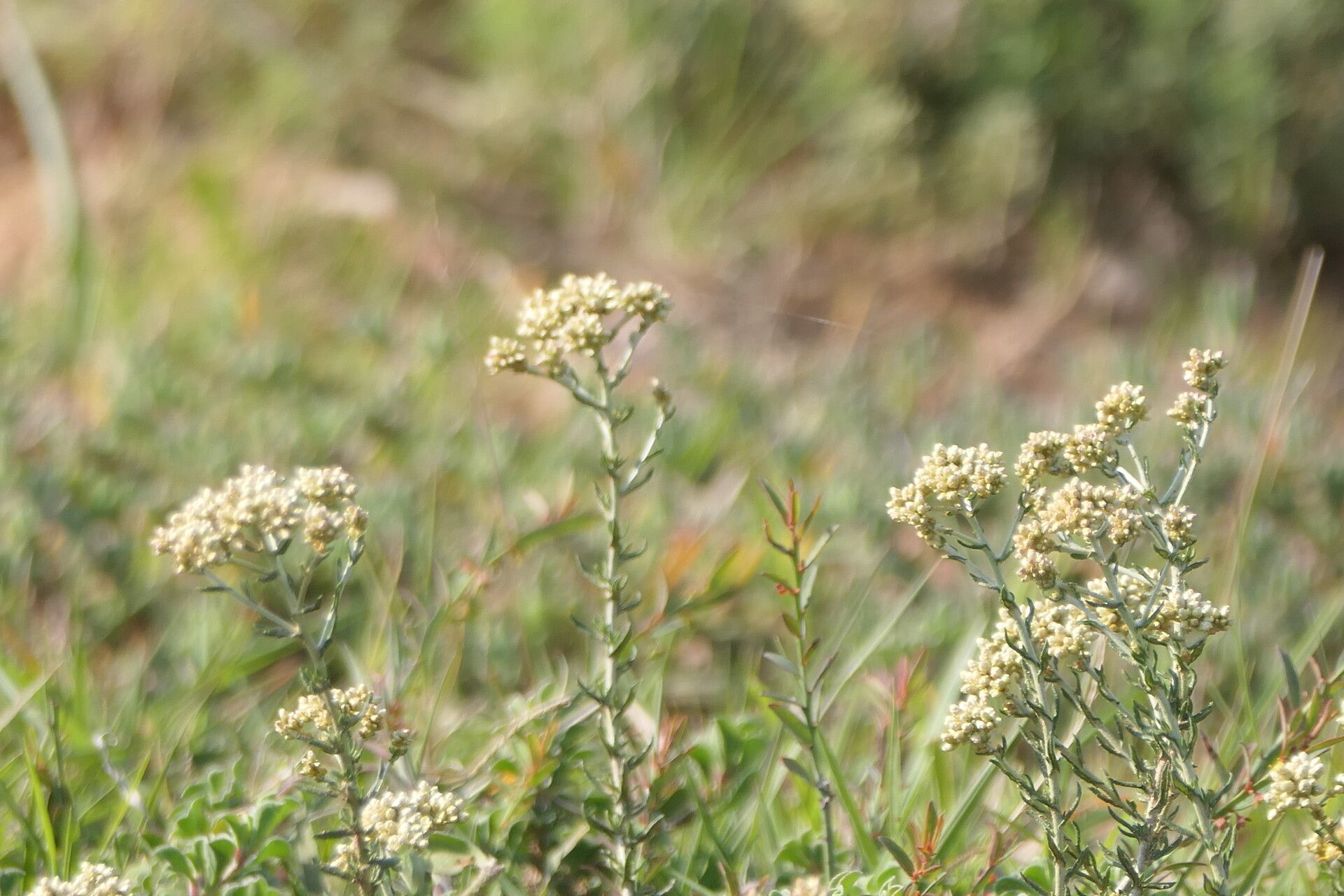
Hello fellow garden enthusiasts! Today, we’re diving into the delightful world of Helichrysum rosum, also lovingly known as strawflower. You know those gorgeous, papery blooms that add such wonderful texture and long-lasting color to bouquets and garden beds? That’s our star! Propagating Helichrysum rosum is incredibly rewarding. It’s not overly tricky, which makes it a fantastic plant for beginners looking to expand their collection without too much fuss. Plus, there’s a special joy in watching a little snipped piece of stem transform into a whole new plant.
The Best Time to Start
For Helichrysum rosum, late spring to early summer is your golden window. This is when the plant is actively growing and has plenty of fresh, flexible stems that readily root. Waiting until after the main flush of spring growth gives you the best chance of success.
Supplies You’ll Need
Here’s what you’ll want to have on hand:
- Sharp, clean pruning shears or a sharp knife: Essential for making clean cuts.
- Rooting hormone powder (optional but recommended): Helps encourage root development.
- Small pots or seed trays: For planting your new cuttings.
- Well-draining potting mix: A mix formulated for succulents or a blend of potting soil with perlite or sand works wonderfully.
- Watering can with a fine rose: For gentle watering.
- Plastic bag or propagator lid: To create a humid environment.
- Labels: To keep track of your cuttings!
Propagation Methods
We’ll focus on the most reliable method for Helichrysum rosum: stem cuttings.
- Select Your Cuttings: Look for healthy, non-flowering shoots. Gently bend a stem; if it snaps cleanly, it’s a good candidate. Aim for cuttings that are 4-6 inches long.
- Prepare the Cuttings: Using your clean shears, make a clean cut just below a leaf node (where a leaf attaches to the stem).
- Remove Lower Leaves: Strip off the leaves from the bottom two-thirds of the cutting. This prevents them from rotting when you plant. You should be left with a few leaves at the very top.
- Apply Rooting Hormone (Optional): Dip the cut end of the stem into rooting hormone powder, tapping off any excess. This step really gives your cuttings a boost.
- Plant Your Cuttings: Fill your pots with your well-draining mix. Make a small hole with your finger or a pencil and insert the calloused end of the cutting. Gently firm the soil around the stem.
- Water Gently: Water thoroughly until the soil is moist, but not soggy.
- Create Humidity: Place a plastic bag or propagator lid over the pot, making sure the leaves don’t touch the plastic. This creates a humid microclimate, which is crucial for rooting.
The “Secret Sauce” (Pro Tips)
- Don’t Overcrowd: Give your cuttings a little space in their pots. Overcrowding can lead to fungal issues.
- Bottom Heat is Your Friend: If you have a heated propagator or can place your pots on a heat mat, it significantly speeds up root formation. Helichrysum loves a bit of warmth to get those roots going.
- Be Patient with the Leaves: After you’ve taken your cuttings, it’s more important for the plant to focus energy on root development than on new leaf growth initially. Don’t be alarmed if the existing leaves look a little tired for a week or two.
Aftercare & Troubleshooting
Once your cuttings have rooted – you’ll usually see new growth or feel a gentle tug when you carefully try to lift them – it’s time for a little adjustment. Gradually remove the plastic bag over a few days to acclimate them to normal humidity. Continue to keep the soil consistently moist but again, avoid waterlogging.
The most common problem you might encounter is rot. If a cutting turns mushy or black, unfortunately, it’s likely a goner. This is often caused by too much moisture and poor air circulation. Make sure your soil drains well and you’re not overwatering.
A Little Patience Goes a Long Way
Propagating plants is a journey, not a race. Sometimes a cutting takes longer to root than others, and that’s perfectly okay. Enjoy the process of nurturing these tiny new lives. Before you know it, you’ll have a whole batch of beautiful Helichrysum rosum to plant in your garden or share with fellow plant lovers. Happy gardening!
Resource:
https://identify.plantnet.org/k-world-flora/species/Helichrysum%20rosum%20Less./data