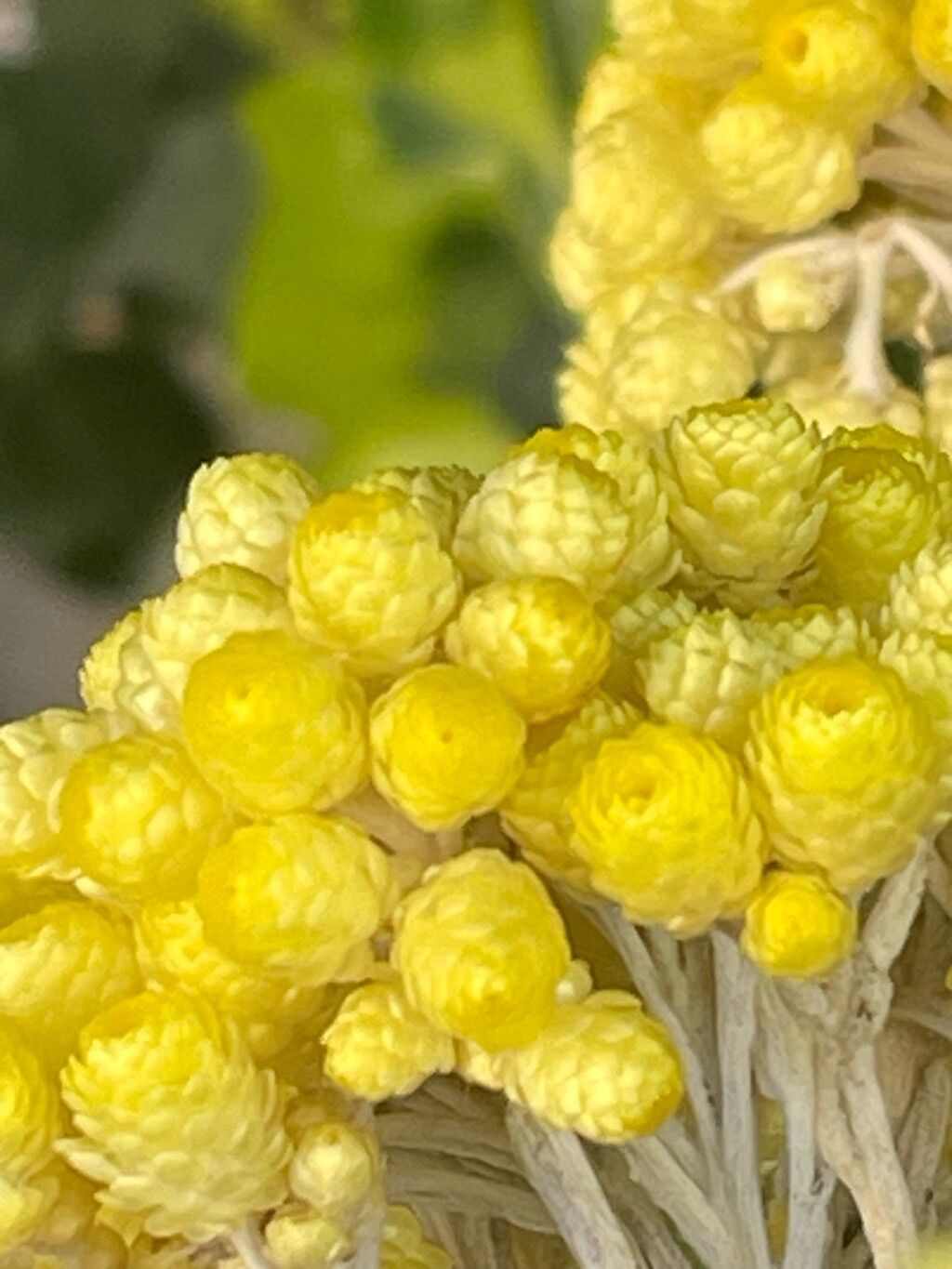
Oh, hello there! I’m so glad you’re interested in propagating Helichrysum pendulum. This little gem, often called licorice plant or trailing everlasting, is just a dream with its silvery, thread-like foliage and delicate, often fragrant, blooms if you’re lucky enough to get them. It’s incredibly rewarding to take a plant you love and create more of them, isn’t it? And the good news? For the most part, Helichrysum pendulum is a pretty forgiving plant to propagate, even for those just dipping their toes into the wonderful world of gardening.
The Best Time to Start
My absolute favorite time to take cuttings from Helichrysum pendulum is in the late spring or early summer. This is when the plant is actively growing and has plenty of energy to put into root development. You’re looking for stems that are semi-hardwood. You know, not brand-new, floppy green growth, but not old, woody stems either. Give a stem a gentle bend; if it snaps cleanly rather than bending, it’s likely the perfect stage.
Supplies You’ll Need
Here’s what I usually gather before I get started:
- Sharp Pruning Shears or a Craft Knife: For clean cuts, which are super important.
- Small Pots or a Propagation Tray: Yogurt cups with drainage holes work in a pinch!
- Well-Draining Potting Mix: I love a mix of equal parts peat moss or coco coir, perlite, and a little bit of compost. The key is excellent drainage.
- Rooting Hormone Powder or Gel: This is a “nice to have” but really does speed things up and increases success.
- A Watering Can with a Fine Rose or Mister: For gentle watering.
- Plastic Bags or a Clear Lid: To create a humid environment.
Propagation Methods
We’ll focus on the easiest and most reliable method for Helichrysum pendulum: stem cuttings.
- Take Your Cuttings: Using your sharp shears or knife, take cuttings from a healthy, established plant. Aim for pieces that are about 4-6 inches long. Remove any lower leaves, leaving just a few at the very top.
- Prepare the Cuttings: If you’re using rooting hormone, dip the cut end of each stem into it. Tap off any excess.
- Plant Your Cuttings: Fill your pots or tray with your prepared potting mix. Make a small hole in the center of each pot with your finger or a pencil.
- Insert and Water: Gently insert the cut end of each cutting into the hole, making sure the base is well-covered by the mix. Firm the soil gently around the stem. Water thoroughly until you see water drain from the bottom.
- Create a Humid Environment: Cover the pots with a clear plastic bag (ensure the leaves don’t touch the sides of the bag) or place them in a propagation tray with a lid. This traps humidity, which is crucial while the cuttings develop roots.
The “Secret Sauce” (Pro Tips)
Now, for a couple of little tricks from the trenches!
- Don’t Drown Them: While humidity is key, avoid waterlogged soil. If you see condensation building up too much inside your plastic tent, lift it off for an hour or so to let things air out a bit. Too much moisture can lead to rot.
- Bottom Heat is Your Friend: If you have it, place your propagation tray on a gentle heat mat. This is like a cozy little incubator for your cuttings, encouraging root growth from below. It really makes a difference, especially if your indoor temps are on the cooler side.
- Patience with the Leaves: If you’re doing water propagation (though stem cuttings in soil are generally more successful for this particular plant), ensure no leaves are submerged in the water. They’ll just rot and potentially infect the whole cutting.
Aftercare & Troubleshooting
Once your cuttings have rooted – you can gently tug on them, and if there’s resistance, you’ve got roots! – it’s time for a little transition.
- Gradual Acclimation: Slowly remove the plastic cover over a few days to get them used to drier air.
- Regular Watering: Water them whenever the top inch of soil feels dry.
- Light: Place them in a bright, but indirect light spot. Too much direct sun can scorch those tender new leaves.
The most common issue you’ll face is rot. If a cutting turns mushy and black, it’s usually a sign of too much moisture and not enough airflow. Don’t be discouraged if a few don’t make it; it’s part of the process! Just remove the rotted ones and check your watering and humidity levels.
A Encouraging Closing
There you have it! Propagating Helichrysum pendulum is a lovely way to expand your garden and share the beauty of this plant. Be patient with the process, trust your instincts, and enjoy watching those new roots begin to form. Happy gardening!
Resource: