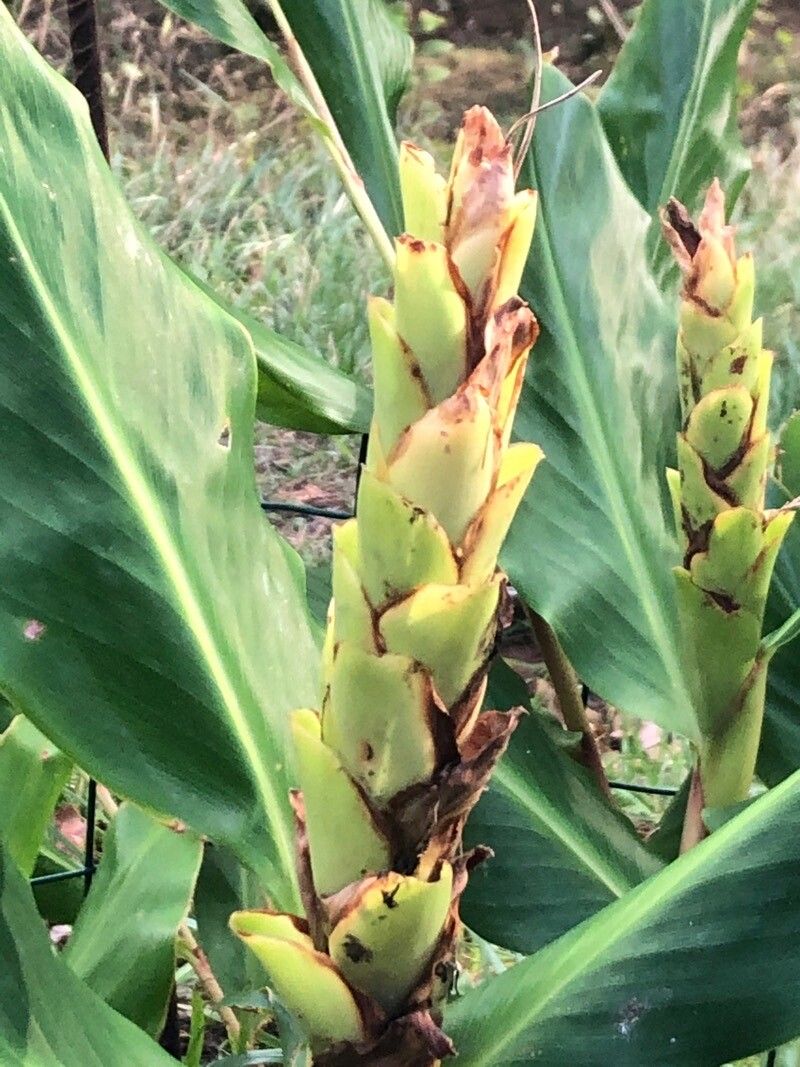
Hello there, fellow garden enthusiasts! I’m so excited to chat with you today about a plant that brings a little bit of magic to my garden: Hedychium wardii. If you haven’t met this beauty yet, imagine lush, tropical foliage topped with the most delightful, fragrant white flowers. It’s a real showstopper and brings such a wonderfully exotic feel to any space.
Propagating these beauties is incredibly rewarding. The joy of taking a piece of your existing plant and nurturing it into a whole new one is just… well, it’s gardening at its finest. Now, some of you might be wondering if Hedychium wardii is a tricky plant to start from scratch. I’d say it’s moderately easy, especially with division. Stem cuttings can be a bit more finicky, but with a little patience, you can absolutely succeed!
The Best Time to Start
For the highest success rate with Hedychium wardii, spring is your prime time. You want to catch the plant just as it’s waking up from its winter dormancy and starting to put on new growth. This vigorous energy is exactly what a new cutting or division needs to establish itself quickly. Look for new shoots emerging from the rhizome, or when your plant is actively producing leaves.
Supplies You’ll Need
Here’s what you’ll want to have on hand before you get started:
- Sharp, clean pruning shears or a good knife: For making clean cuts.
- Well-draining potting mix: I prefer a blend of peat moss, perlite, and a bit of compost. A standard seed-starting mix works well too.
- Small pots or containers: For your new cuttings or divisions. Make sure they have drainage holes!
- Rooting hormone (optional but recommended for cuttings): This really gives your cuttings a boost.
- A spray bottle: For misting.
- A plastic bag or humidity dome: To create a humid environment for cuttings.
- A trowel or small shovel: For dividing rhizomes.
Propagation Methods
Let’s dig into how we can get more Hedychium wardii!
1. Division (The Easiest Way!)
This is my go-to for Hedychium wardii. It’s like giving your plant a haircut and getting new plants in return!
- Step 1: Dig it Up. In the spring, gently dig up your established Hedychium wardii plant. Be careful not to damage the rhizomes too much.
- Step 2: Separate the Rhizomes. Gently work away the soil until you can see the thick, fleshy rhizomes. Look for sections that have at least one healthy “eye” or growth bud. You can often break these apart by hand. If they’re a bit stubborn, a clean knife or spade can help.
- Step 3: Replant. Plant the divided sections directly into your garden bed or into pots filled with your well-draining soil mix. Ensure the growth bud is pointing upwards. Water them in thoroughly.
2. Stem Cuttings
This method takes a bit more care but can be very satisfying.
- Step 1: Take the Cutting. In spring or early summer, select a healthy, non-flowering stem that’s about 4-6 inches long. Make a clean cut just below a leaf node (where a leaf attaches to the stem).
- Step 2: Prepare the Cutting. Gently remove the lower leaves, leaving just a couple at the top. If you’re using rooting hormone, dip the cut end into it, shaking off any excess.
- Step 3: Plant the Cutting. Insert the cut end into a pot filled with your well-draining potting mix. Make a small hole with a pencil or your finger first to avoid rubbing off the hormone.
- Step 4: Create a Humid Environment. Water the soil lightly. Then, cover the pot with a clear plastic bag (making sure the leaves don’t touch the plastic!) or place it under a humidity dome.
- Step 5: Provide Light and Warmth. Place the pot in a bright spot with indirect sunlight. Bottom heat can be a game-changer here, encouraging faster root development. You can use a heat mat designed for seedlings.
The “Secret Sauce” (Pro Tips)
Here are a few tricks I’ve picked up over the years that really help boost your success rate:
- For Cuttings: Keep it Tightly Covered. That humidity is crucial! Don’t be tempted to pull the plastic off too soon. Check for condensation; if it’s excessive, you can give it a quick air out for a few minutes. The goal is consistent moisture without fostering rot.
- When Dividing: Don’t Be Afraid to Cut. Sometimes, a rhizome is really tangled. A sharp, clean cut is much better than tearing. Just ensure each piece has a healthy bud!
- Cleanliness is Key. This bears repeating: always use clean tools. A dirty blade can introduce pathogens that will doom your new plant before it even gets a chance.
Aftercare & Troubleshooting
Once your cuttings have rooted (you can gently tug on them – they’ll feel a slight resistance) or your divisions are happily growing, treat them like any young plant. Keep the soil consistently moist but not waterlogged. Gradually acclimate them to lower humidity if they’ve been under cover. Introduce them to more direct sunlight slowly.
The most common problem you’ll encounter is rot. This usually happens from overwatering or poor drainage. If you see your cutting turning brown and mushy, or a division looking limp and discolored, it’s likely rot.Unfortunately, it’s hard to recover from at that stage. Prevention is key: use that well-draining mix, and don’t let pots sit in saucers full of water.
A Gentle Wrap-Up
Growing new plants is such a wonderful journey. Be patient with your Hedychium wardii cuttings. It might take a few weeks for roots to form, and that’s perfectly normal. Each new growth is a small victory, and soon you’ll have a whole collection of these fragrant beauties gracing your garden. Happy propagating!
Resource:
https://identify.plantnet.org/k-world-flora/species/Hedychium%20wardii%20C.E.C.Fisch./data