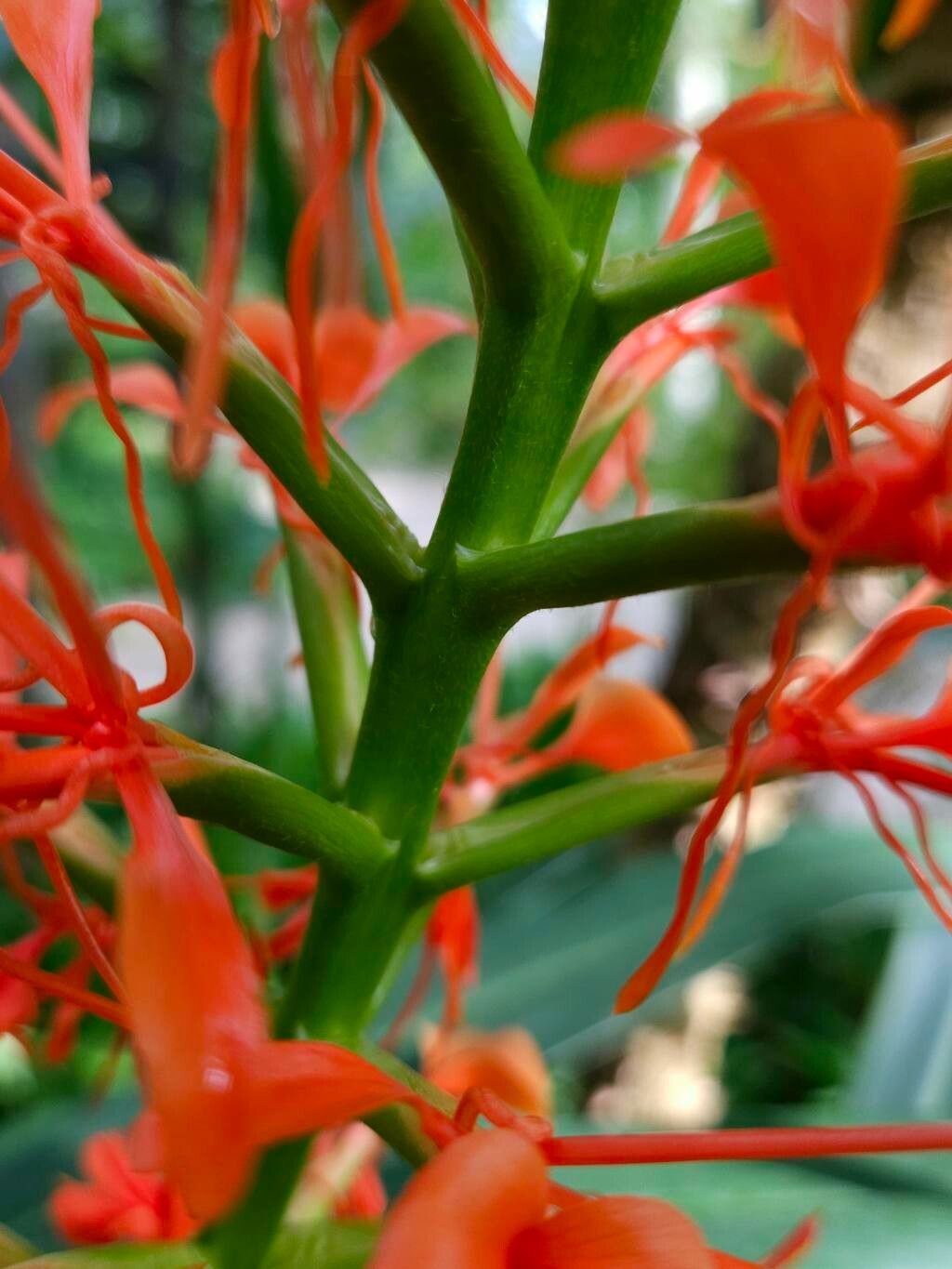
Hello, fellow garden lovers! Today, I want to chat about a plant that brings such vibrant beauty and a touch of the exotic to our spaces: Hedychium coccineum, often called the Red Ginger Lily. Its fiery red-orange blooms are simply breathtaking, and the fragrance is a sweet bonus on warm evenings. You know, propagating these beauties isn’t just about getting more plants; it’s about multiplying that joy and sharing that stunning color. If you’re a beginner, don’t fret! While it might seem a little daunting, Hedychium coccineum is actually quite cooperative once you get the hang of it.
The Best Time to Start
I find the spring, just as new growth is really taking off, is the absolute best time to get your propagation efforts underway. You’re looking for healthy, vigorous stems that are actively growing. This energy means they’re more receptive to rooting and will establish themselves quickly.
Supplies You’ll Need
Here’s what I like to have on hand when I’m ready to propagate:
- Sharp pruning shears or a clean knife: For making precise cuts.
- A good quality potting mix: Something that drains well is key. I often use a blend of peat moss, perlite, and compost.
- Small pots or trays: With drainage holes, of course!
- Rooting hormone (powder or gel): This is a helpful aid, though not always strictly necessary for ginger lilies.
- Watering can or spray bottle: For gentle watering.
- A clear plastic bag or humidity dome: To keep things moist.
Propagation Methods
The most straightforward way to multiply your Red Ginger Lily is through division, which is essentially separating the rhizomes.
- Dig Carefully: When your plant is dormant or just starting to wake up in spring, gently dig around the base of the plant. You want to expose the rhizomes, which are the thick, fleshy underground stems.
- Locate Division Points: Look for natural points where the rhizomes have grown apart. You’ll see where new shoots are emerging from.
- Make the Cuts: Using your clean pruning shears or knife, carefully separate the rhizomes. Make sure each piece has at least one or two healthy growth buds (those little nubs where new leaves will sprout) and a good portion of healthy root system.
- Pot Them Up: Fill your pots with your well-draining potting mix. Plant each rhizome division so that the top of the rhizome is just at or slightly below the soil surface.
- Water Gently: Water the newly potted divisions thoroughly but gently. You don’t want to blast the roots.
You can also try stem cuttings, though it’s a bit less common with ginger lilies and can be trickier.
- Select a Stem: Choose a healthy stem that has at least a couple of nodes (the points where leaves emerge). Cut a 4-6 inch section.
- Prepare the Cutting: Remove the lower leaves, leaving just a couple at the top. You can dip the cut end in rooting hormone if you like.
- Plant or Water: You can plant this in a pot with the same well-draining mix, or try water propagation. If using water, make sure the nodes where leaves were removed are submerged but don’t let any leaves touch the water. Change the water every few days.
The “Secret Sauce” (Pro Tips)
Here are a couple of things I’ve learned over the years that really make a difference:
- Think About Dormancy: While spring is best for active growth, dividing rhizomes when the plant is mostly dormant in late winter or very early spring often yields the cleanest breaks and minimizes stress on the parent plant.
- Embrace Bottom Heat: For stem cuttings especially, a gentle bottom heat can really encourage root development. A propagation mat or even placing pots on top of a warm appliance (carefully!) can work wonders. It mimics the warmth of the soil in its natural climate.
Aftercare & Troubleshooting
Once your divisions or cuttings are potted, the goal is to keep them consistently moist but not waterlogged. I like to mist them lightly or water from the bottom until I see signs of new growth.
Covering the pots with a clear plastic bag or humidity dome is a smart move. This creates a mini greenhouse effect, keeping humidity high while the plant establishes. Just be sure to air it out occasionally to prevent fungal issues.
The most common sign of trouble is rot. If your cutting or division turns mushy and dark, it’s likely rotting
Resource: