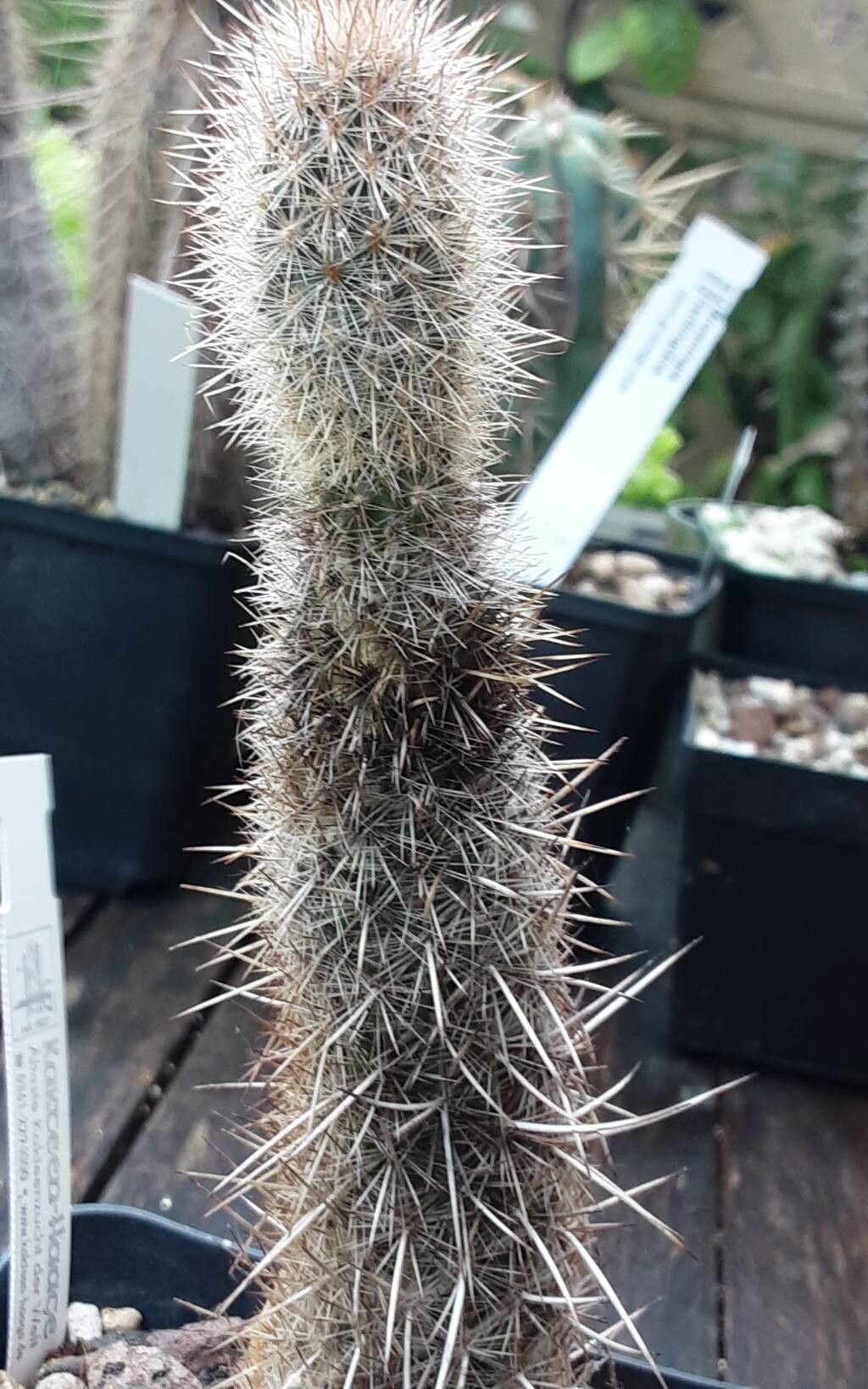
Hello, fellow plant enthusiasts! Today, we’re diving into the wonderful world of propagating Haageocereus decumbens, also known as the “little hedgehog” cactus. These charming, densely spined beauties are a delight in any collection, and multiplying them is incredibly satisfying. I remember my first few successful propagations feeling like magic – watching a tiny piece of a mature plant grow into its own thriving specimen is truly special. Now, you might be wondering if this particular cactus is a tough nut to crack for beginners. I’d say it’s moderately easy, with a little patience and understanding of its needs. You’ll get the hang of it quickly!
The Best Time to Start
When it comes to getting your Haageocereus decumbens to perk up and root, timing is everything. Spring and early summer are your golden ticket. This is when the plant is actively growing and has the most energy to dedicate to putting out roots. Trying to propagate during its dormant period in winter is like trying to wake a sleepy bear – it just won’t be as enthusiastic. So, wait for those warmer days and longer daylight hours to give your cuttings the best shot.
Supplies You’ll Need
Before we get our hands dirty, let’s gather our toolkit. Having everything ready makes the process so much smoother and more enjoyable.
- Sharp, clean pruning shears or a knife: For making clean cuts. Sterilize them with rubbing alcohol to prevent disease.
- A well-draining potting mix: I like a cactus and succulent blend, often with added perlite or pumice for extra aeration. You want to avoid soggy soil at all costs!
- Rooting hormone (optional but recommended): This can give your cuttings a little extra boost.
- A shallow pot or tray: Something that won’t hold too much moisture. Terra cotta is great because it breathes.
- A spray bottle: For a gentle mist of water.
- Labels and a marker: To keep track of your precious propagations.
- A sunny spot with bright, indirect light: Once potted.
Propagation Methods
Haageocereus decumbens is a cactus that readily propagates from stem cuttings. It’s straightforward and highly successful.
Stem Cuttings: This is my go-to method for this prickly pal.
- Select a healthy stem: Look for a mature, healthy stem on your Haageocereus decumbens. It should be firm and free of any signs of disease or damage.
- Make the cut: Using your sterilized pruning shears or knife, make a clean cut where you want to detach the stem. Aim for a segment that’s at least a few inches long.
- Allow to callus: This is a crucial step! Place the cut stem in a dry, well-ventilated spot away from direct sunlight for 3-7 days. You’ll see the cut end dry and form a protective callus. This prevents rot when you plant it. Don’t rush this part!
- Prepare the pot: Fill your shallow pot with your well-draining potting mix.
- Apply rooting hormone (optional): If you’re using rooting hormone, dip the callused end of the cutting into it.
- Plant the cutting: Gently insert the callused end of the cutting a couple of inches into the soil. You might want to use a chopstick or a pencil to make a pilot hole to avoid disturbing the callus.
- Water sparingly: Give the soil a very light misting with your spray bottle. We want the soil to be just barely moist, not wet.
- Provide bright, indirect light: Place your pot in a location that gets plenty of bright light but no harsh, direct sun, which can scorch the delicate cutting.
The “Secret Sauce” (Pro Tips)
Over the years, I’ve learned a few tricks that can make all the difference. These aren’t always in the basic guides, but they’re worth their weight in gold!
- Gentle is key with misting. Haageocereus decumbens cuttings are very susceptible to rot if kept too wet. When watering, think of it as a light dew, not a soaking. I only mist every few days, and only when the soil is completely dry.
- Bottom heat can be a game-changer. While not strictly necessary, placing your potted cuttings on a seedling heat mat set to a low temperature can significantly speed up root development. It mimics the warmth of spring soil and encourages those roots to emerge faster.
Aftercare & Troubleshooting
Once you see signs of roots – which might be a bit of resistance when you gently tug on the cutting, or even new growth – congratulations! You’re on your way.
- Continue with light watering: Gradually increase watering slightly as the roots establish, but always let the soil dry out between waterings.
- Gradually introduce more light: As your new plant gets stronger, you can slowly move it into brighter conditions.
- Watch out for rot: This is the most common problem. If your cutting turns mushy, black, or starts to shrink and become soft, it’s likely rot. Unfortunately, at this stage, it’s usually too late to save. This is why proper callusing and well-draining soil are absolutely critical. If you catch it very early, you might be able to cut away the rotted section and try to re-callus what’s left, but prevention is much easier!
A Little Encouragement
Propagating plants is a journey, and each cutting is a new adventure. Be patient with your Haageocereus decumbens cuttings. Some might take longer to root than others, and that’s perfectly normal. Don’t get discouraged if one doesn’t make it. Learn from the experience, adjust your approach, and most importantly, enjoy the process. Happy propagating!
Resource: