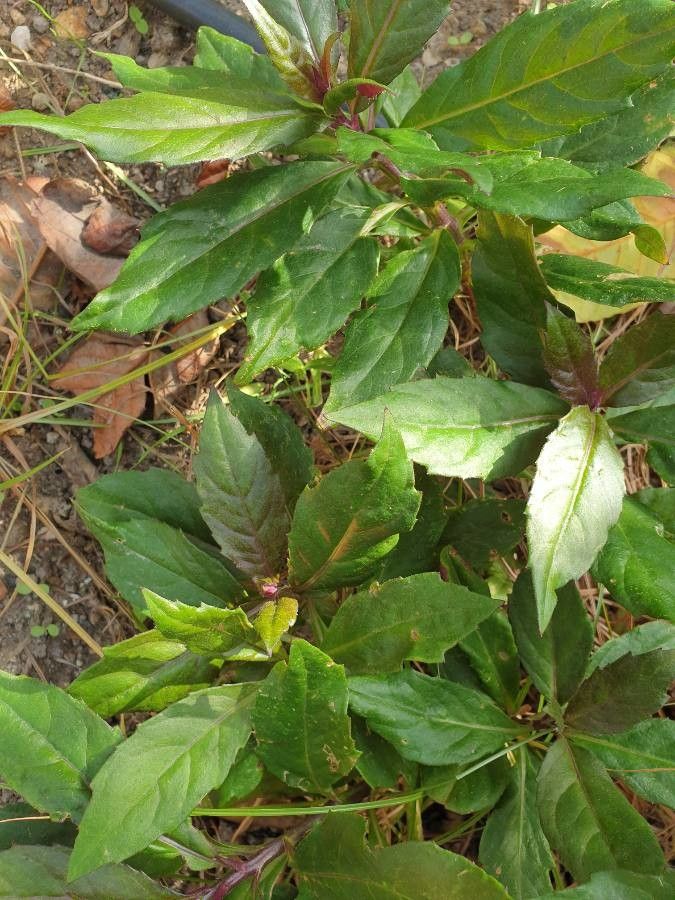
Oh, hello there! Come on in, grab a mug. I’m so glad you’re here to chat about Gynura formosana. Or, as some of us affectionately call it, “Purple Passion” or “Velvet Plant.” Honestly, the velvety, deep purple undersides of its leaves are just stunning. It adds such a cool, dramatic touch to any hanging basket or trailing display. And the best part? It’s surprisingly easy to propagate, which means you can spread that gorgeousness around your home or share it with fellow plant lovers. If you’re new to the green world, this is a fantastic plant to get your propagation journey started.
The Best Time to Start
When it comes to Gynura formosana, my rule of thumb is to take cuttings during its active growing season. That’s typically from late spring through summer. The plant is full of energy then, and those cuttings will root more readily. You can sometimes get away with it in early fall, but you want to give your new babies plenty of time to establish before things cool down too much.
Supplies You’ll Need
Here’s what I always have on hand when I’m propagating:
- Sharp pruning shears or a clean knife: For making clean cuts.
- Rooting hormone (optional, but helpful): A little dip can speed things up.
- Well-draining potting mix: A blend of peat moss, perlite, and a bit of coco coir works wonders. Or, a good quality houseplant mix amended with extra perlite.
- Small pots or containers: A 3-4 inch pot is usually perfect for a new cutting.
- A watering can or spray bottle: For gentle watering.
- Clear plastic bag or propagator: To create a humid environment.
Propagation Methods
Gynura formosana is a sweetheart when it comes to propagation, and stem cuttings are definitely my go-to.
Stem Cuttings
This is where the magic happens!
- Select a healthy stem: Look for a vibrant, non-flowering stem that’s at least 4-6 inches long. You want a piece that’s actively growing, not old and woody.
- Make the cut: Using your sharp shears or knife, make a clean cut just below a leaf node. This is the spot where a leaf attaches to the stem, and it’s where roots like to form.
- Remove lower leaves: Gently strip off the leaves from the bottom 2 inches of the cutting. This prevents them from rotting once you plant it.
- Dip in rooting hormone (optional): If you’re using rooting hormone, lightly dip the cut end into the powder, tapping off any excess.
- Plant your cutting: Insert the cut end into your prepared potting mix, about 1-2 inches deep. Make sure at least one leaf node is buried.
- Water gently: Lightly water the soil so it’s moist, but not soggy.
- Create humidity: Pop the pot into a clear plastic bag or a propagator. Seal it loosely to trap moisture.
Water Propagation (My Second Favorite!)
This method is incredibly satisfying as you can watch the roots grow!
- Prepare your cutting: Follow steps 1-3 from the stem cutting method above.
- Place in water: Put the cutting in a clean jar or glass of room-temperature water.
- Change the water regularly: Every few days, change out the water to keep it fresh and prevent bacteria buildup.
- Position wisely: Make sure the leaf nodes are submerged, but the leaves themselves are not.
The “Secret Sauce”
Here are a couple of things I’ve learned over the years that really seem to give my Gynura cuttings a boost:
- Don’t go too deep with the water: With water propagation, it’s crucial that only the stem is in the water, not any of the leaves. Leaves submerged in water are a fast ticket to rot city. They’ll just start to get mushy and unpleasant.
- A little warmth goes a long way: If you can, place your pots on a heat mat or in a warm spot in your home. My propagation station is often near a router or on top of the aquarium – just a little gentle warmth from below encourages those roots to get moving.
Aftercare & Troubleshooting
Once you see roots forming – and this can take anywhere from 2 to 6 weeks – it’s time to introduce your new plant to the world.
For soil-propagated cuttings: Gradually acclimate them to drier air by opening the plastic bag a little more each day over a week. Once they look established and you see new growth, you can remove the bag completely.
For water-propagated cuttings: When the roots are about an inch or two long, it’s time to transplant them into soil. Handle them gently, as baby roots are delicate! Plant them as you would a regular cutting, watering them in well.
Troubleshooting: The most common issue you’ll face is rot. If your cutting turns black and mushy, it’s usually a sign of too much moisture or poor air circulation. If you notice this, pull the cutting out, trim away the rotten parts, and try again with less water or better drainage. Sometimes, wilting can happen. This is often just stress from the move. Make sure you’ve got good humidity and keep them out of direct, harsh sunlight for the first week or so.
And there you have it! Propagating Gynura formosana is such a rewarding experience. Be patient with your little cuttings. They might seem slow at first, but with a little love and the right conditions, you’ll soon be admiring your brand-new, velvety beauties. Happy propagating!
Resource:
https://identify.plantnet.org/k-world-flora/species/Gynura%20formosana%20Kitam./data