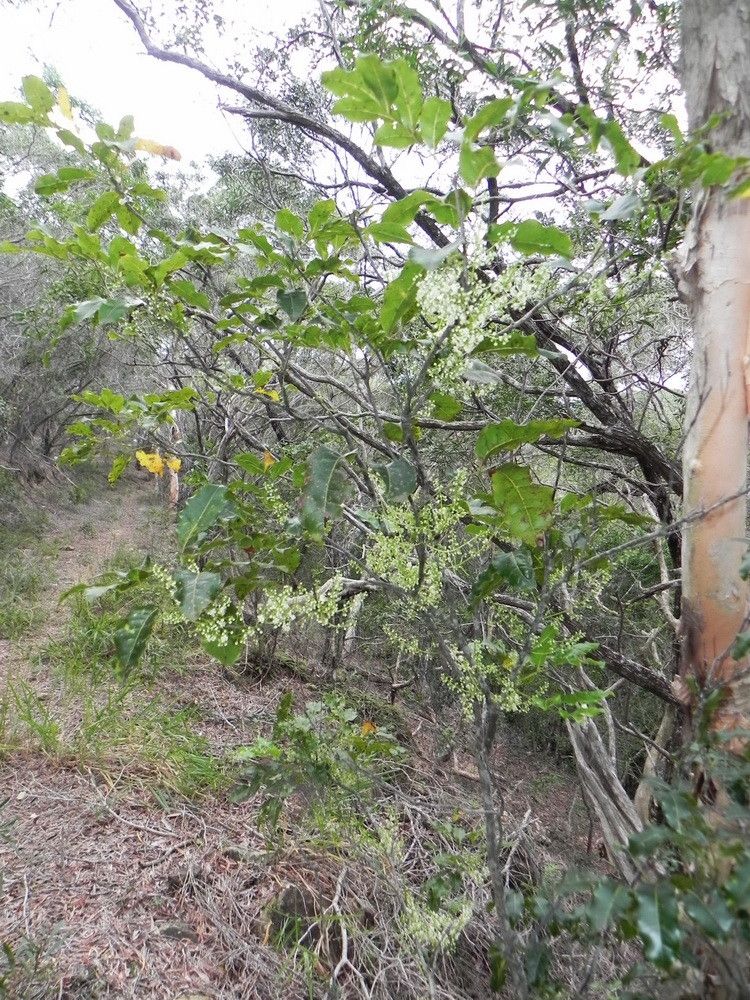
Hello fellow plant enthusiasts! Today, we’re diving into the delightful world of propagating Guioa fusca, often called the Native Tamarind or Velvet Guioa. I’ve been growing and admiring these beauties for years, and let me tell you, there’s a special kind of joy in coaxing a new plant into existence from a piece of a beloved one.
Guioa fusca offers a wonderful appeal with its attractive, often feathery foliage and its knack for thriving in various garden settings. Plus, its interesting seed pods add another layer of fascination. Propagating it is a truly rewarding experience, and while it might seem a little daunting at first, I promise you, with a little guidance, it’s absolutely achievable. It’s a plant that enjoys a bit of attention but isn’t overly fussy, making it a great candidate for those looking to expand their green collection without too much stress.
The Best Time to Start
When it comes to propagating Guioa fusca, timing is your best friend. I’ve found the late spring or early summer to be the sweet spot. This is when the plant is actively growing, full of energy, and most willing to put out new roots. You want to take cuttings from semi-hardwood, which means stems that are no longer brand new and soft, but not yet tough and woody. They should feel a bit bendy but have a slight resistance.
Supplies You’ll Need
Gathering your tools beforehand makes the whole process smoother. Here’s what I usually have on hand:
- Sharp Pruning Shears or a Clean Knife: It’s crucial these are sterilized to prevent disease. A quick wipe with rubbing alcohol does the trick.
- Rooting Hormone (Optional but Recommended): A plant hormone powder or gel can significantly boost your success rate, encouraging faster and stronger root development.
- Well-Draining Potting Mix: A good blend of perlite, coco coir or peat moss, and a bit of compost works wonders. You want something that holds moisture but doesn’t stay waterlogged.
- Small Pots or Propagation Trays: Clean pots with drainage holes are essential.
- Clear Plastic Bags or a Propagation Dome: This creates a humid environment for your cuttings, mimicking the conditions they’d find in nature.
- Soft Water or Rainwater: Tap water can sometimes contain chemicals that are harsh on delicate cuttings.
- Labels and a Marker: For keeping track of what’s what, especially if you’re propagating multiple plants!
Propagation Methods
Guioa fusca is quite amenable to propagation through stem cuttings, which is my preferred and most reliable method. Here’s how I do it:
Stem Cuttings
- Select Your Cuttings: This is where that late spring/early summer timing comes in. Look for healthy, vigorous stems on your mature plant. Choose pieces that are roughly 6-10 inches long. Make your cuts just below a leaf node (the point where a leaf attaches to the stem). This is where the magic happens, where roots are most likely to form. Remove any flowers or developing fruits from the cutting.
- Prepare the Cuttings: Gently remove the leaves from the lower half of the stem. You only want to leave 1-2 sets of leaves at the very top. If the remaining leaves are very large, I like to cut them in half horizontally. This reduces water loss through transpiration while still allowing for photosynthesis.
- Apply Rooting Hormone: If you’re using rooting hormone, dip the cut end of the stem into the powder or gel, tapping off any excess. This stuff isn’t essential, but it really does give your cutting a helping hand.
- Plant Your Cuttings: Fill your clean pots with your prepared potting mix. Make a hole in the soil with a pencil or your finger – this prevents the rooting hormone from being scraped off. Insert the cutting into the hole, ensuring the leaf nodes are buried. Gently firm the soil around the base of the cutting.
- Create a Humid Environment: Water the soil lightly until it’s evenly moist. Now, the important part: cover the pot with a clear plastic bag, securing it around the rim, or use a propagation dome. This traps humidity, which is vital for preventing the cuttings from drying out before they can form roots.
The “Secret Sauce” (Pro Tips)
Here are a few tricks I’ve learned over the years that can make a real difference:
- Don’t Let Leaves Touch the Water: If you decide to try water propagation (though I find soil cuttings more reliable for Guioa fusca), ensure the leaves never touch the water. Submerged leaves will rot very quickly, taking your cutting with them. Only the stem should be in the water.
- Bottom Heat is Your Friend: Especially if your propagation environment isn’t naturally warm, placing your pots on a heated propagation mat can significantly speed up root formation. It gives those developing roots a cozy temperature to encourage growth. Think of it as a warm hug for your cuttings!
- Multiple Cuttings Increase Odds: Don’t be shy! Take several cuttings at once. Not every single one will take, and that’s perfectly normal. This way, you have a much higher chance of success and a lovely batch of new plants.
Aftercare & Troubleshooting
Once you’ve planted your cuttings, resist the urge to fuss too much! Keep them in a bright, indirect light location. Avoid direct sun, which can scorch the tender cuttings or overheat the plastic cover. Check the moisture of the soil every few days, watering gently only when the top inch feels dry.
You’ll know your cuttings are rooting when you see new leaf growth, or if you gently tug on the cutting and feel resistance. This usually takes anywhere from 4-8 weeks, sometimes longer.
The most common issue you’ll encounter is rot. This usually happens if the soil is too wet and there isn’t enough air circulation. If you see mushy, black stems or wilting that doesn’t recover with watering, that cutting is likely gone. Don’t despair! Just remove it and check your moisture levels for the others. Yellowing leaves can sometimes signal too much direct sun or not enough light, so adjust accordingly.
A Warm Encouraging Closing
And there you have it! Propagating Guioa fusca is a journey of patience and observation. Watching those tiny roots emerge and new shoots unfurl is incredibly satisfying. Don’t be discouraged if your first attempt isn’t perfect; gardening is all about learning. Just enjoy the process, connect with your plants, and soon you’ll be sharing your beautiful new Guioa fusca with friends and family. Happy propagating!
Resource:
https://identify.plantnet.org/k-world-flora/species/Guioa%20fusca%20Radlk./data