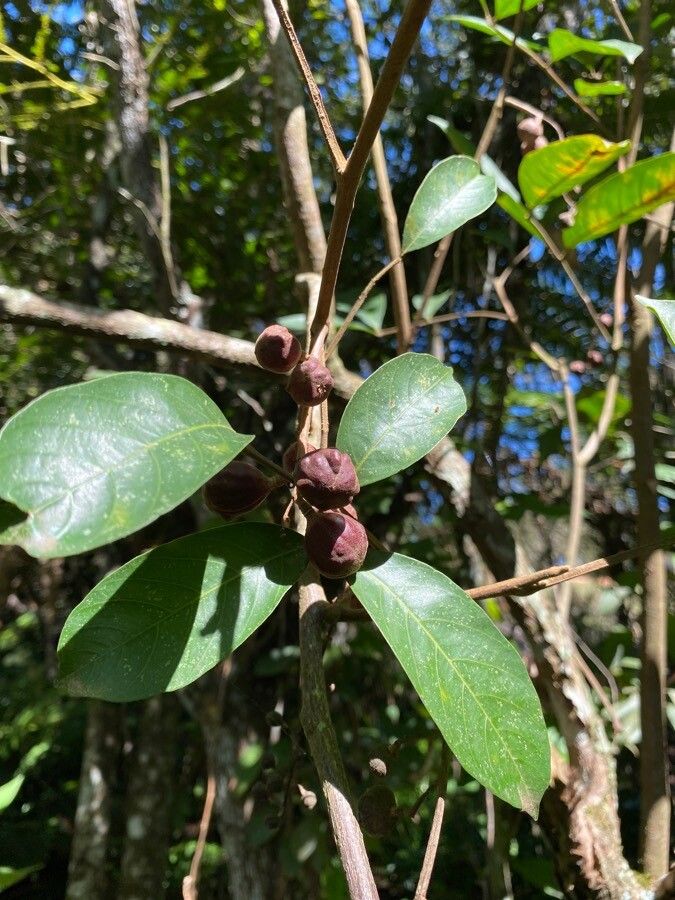
Hello, fellow plant enthusiasts! It’s so lovely to have you here. Today, we’re going to dive into the wonderful world of propagating Guarea macrophylla. If you’ve ever admired its lush, glossy leaves and wondered if you could bring that beauty into other corners of your home or share it with friends, you’re in the right place. Watching a new plant emerge from a tiny cutting is truly one of gardening’s greatest joys, a little miracle happening right before your eyes.
Why Guarea macrophylla is a Gem to Propagate
Guarea macrophylla, sometimes called Brazilian Ash, is a stunner. Its large, compound leaves create a tropical feel, and it adds a wonderful sense of fullness to any space. The reward of successfully coaxing a new plant from a mother specimen is immense. It’s a way to multiply your collection without spending a dime, and it connects you more deeply with your plants. For most home gardeners, propagating Guarea macrophylla isn’t the absolute easiest starter plant, but with a little care and attention, it’s absolutely achievable and deeply satisfying.
The Best Time to Start
When it comes to Guarea macrophylla, the sweet spot for propagation is generally during its active growing season. Think late spring through summer. During this time, the plant has more energy to throw into producing roots, and it’s more resilient to the process. You’re looking for healthy, vigorous growth, not a plant that’s stressed or struggling.
Supplies You’ll Need
Gathering your tools beforehand makes the whole process smoother. Here’s what I usually have on hand:
- Sharp, clean pruning shears or a sharp knife: Crucial for making clean cuts.
- Rooting hormone (optional but recommended for stem cuttings): A powdered or gel form can significantly boost your success rate.
- Well-draining potting mix: I like a mix of peat moss or coco coir, perlite, and a bit of compost. You want it to hold moisture but also drain freely.
- Small pots or propagation trays: Clean containers are a must to avoid introducing diseases.
- Plastic bags or a propagator lid: To create a humid environment.
- Watering can or spray bottle: For gentle watering.
- Gloves (optional): If you prefer to keep your hands clean.
Propagation Methods for Guarea macrophylla
The most reliable way I’ve found to propagate Guarea macrophylla is through stem cuttings. It’s straightforward and generally gives excellent results.
Stem Cuttings:
- Select Your Cutting: Look for a healthy, non-flowering stem. You want a piece that’s at least 4-6 inches long and has several leaf nodes (the points on the stem where leaves grow). Avoid woody, mature stems or very new, soft growth. A semi-hardwood cutting is usually ideal.
- Make the Cut: Using your sharp shears or knife, make a clean cut just below a leaf node. This is where new roots are most likely to develop.
- Prepare the Cutting: Gently remove the lower leaves from the cutting, leaving just a couple of leaves at the very top. This prevents the leaves from rotting in the soil or water. If the remaining leaves are very large, you can cut them in half to reduce water loss through transpiration.
- Apply Rooting Hormone (Optional): If you’re using rooting hormone, dip the cut end of the stem into the powder or gel. Tap off any excess.
- Plant Your Cutting: Fill your small pot with your prepared potting mix. Gently insert the cut end of the stem into the soil, ensuring at least one leaf node is buried beneath the surface. You can plant several cuttings in the same pot, giving them a bit of space.
- Water and Cover: Water the potting mix gently until it’s evenly moist but not waterlogged. Then, cover the pot with a plastic bag or propagator lid to create a humid environment. You can secure the bag with a rubber band around the rim of the pot.
Water Propagation (Less Common for Guarea macrophylla, but possible):
While I prefer soil for this plant, some success can be had in water:
- Prepare the Cutting: Follow steps 1-3 above.
- Place in Water: Put the cutting in a clean jar or vase filled with room-temperature water. Ensure the leaf nodes are submerged but the remaining leaves are above the water line.
- Change Water Regularly: Change the water every few days to keep it fresh and prevent bacterial growth.
- Wait for Roots: Roots typically appear in a few weeks. Once they are about an inch long, you can carefully transplant the cutting into potting mix.
The “Secret Sauce” (Pro Tips)
Over the years, I’ve picked up a few tricks that seem to make a difference:
First, don’t be tempted to overwater. Soggy soil is the quickest way to invite rot. The goal is consistently moist, not saturated. I often give my cuttings a light watering and then rely on the humidity created by the plastic cover.
Second, bottom heat can be a game-changer. If you can, place your pots on a heat mat designed for seedlings. This gentle warmth encourages root development from below, even if the ambient air temperature is cooler.
Lastly, when you do water after planting, try to water the soil directly, not the leaves. Excess water sitting on the foliage can sometimes lead to fungal issues, especially in humid conditions.
Aftercare & Troubleshooting
Once you see new leaf growth emerging from your cutting, that’s a fantastic sign! It means roots are forming.
- Gradual Acclimation: Begin to gradually remove the plastic cover over a week or two to let your new plant adjust to the normal humidity levels. Don’t shock it by removing it all at once.
- Light: Place your new plant in bright, indirect light. Avoid direct sun, which can scorch delicate new leaves.
- Watering: Continue to keep the soil consistently moist but not soggy. As the plant grows, you can gradually transition it to your usual watering routine for mature Guarea macrophylla.
- Repotting: Once the pot is filled with roots (you might see new roots peeking from the drainage holes), it’s time to transplant it into a slightly larger pot.
The most common culprit for failure is rot at the base of the cutting. This usually happens due to overwatering or poor drainage. You might see the stem turn mushy and brown. If this happens, unfortunately, that cutting is likely lost. Don’t despair! Just clean up your potting mix and try again. Another sign of trouble is if the cutting shrivels up excessively without any signs of new growth – this could indicate it’s drying out too quickly or that the rooting hormone wasn’t effective.
A Heartfelt Closing
Propagating plants is a journey, and like any good journey, it requires patience and a little bit of hope. Don’t be discouraged if your first few attempts aren’t perfect. Each cutting you take, each pot you fill, is a learning experience. Celebrate the successes, learn from the challenges, and most importantly, enjoy the process. Happy propagating!
Resource:
https://identify.plantnet.org/k-world-flora/species/Guarea%20macrophylla%20Vahl/data