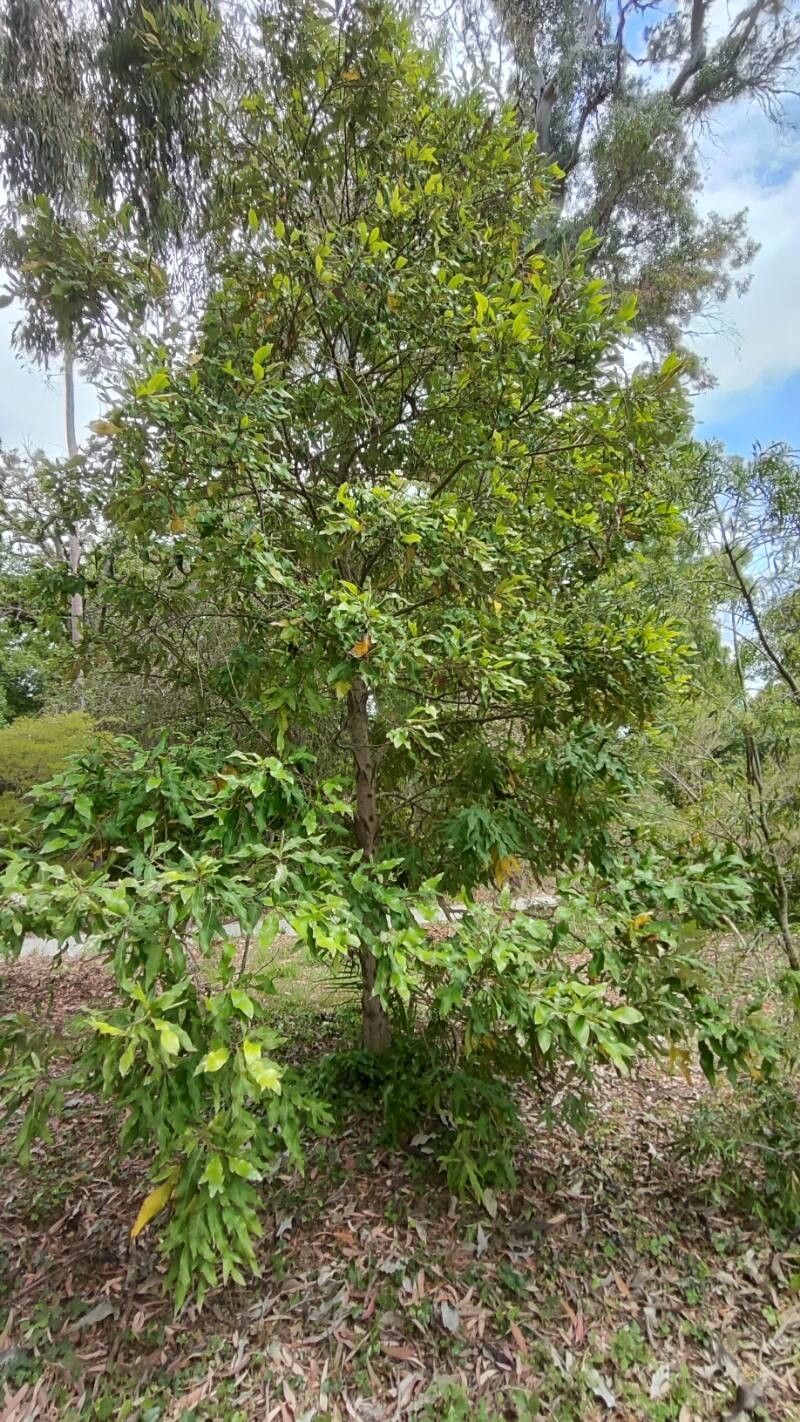
Hello fellow garden enthusiasts! It’s so wonderful to have you join me today. I’m here to talk about a plant that truly captures my heart: Grevillea hilliana. If you haven’t met this beauty yet, imagine delicate, fern-like foliage that cascades with an incredible feathery texture. It’s a stunner, especially when it bursts into those unique, toothbrush-like blooms that attract all sorts of delightful pollinators. Propagating it is a fantastic way to multiply that joy, and I’m so excited to guide you through it. Now, while Grevillea hilliana can be a little particular, don’t let that put you off! With a few key practices, even those newer to the plant world can achieve success.
The Best Time to Start
For the highest success rates with Grevillea hilliana, I always recommend taking cuttings in late spring to early summer. This is when the plant is actively growing, meaning it has plenty of energy to divert to forming new roots. Look for stems that are semi-hardwood – they’re not brand new and leafy, but not old and woody either. A good test is that they’ll snap cleanly when bent, rather than just bending over.
Supplies You’ll Need
To get our little Grevilleas started, you’ll want to gather a few things:
- Sharp Pruning Shears or a Clean Knife: For making clean cuts.
- Rooting Hormone: A powdery or gel-type that encourages root development.
- A Well-Draining Potting Mix: I prefer a blend of perlite, coarse sand, and coco coir, or a commercial succulent/cactus mix. Avoid heavy garden soil.
- Small Pots or Seedling Trays: Clean and with drainage holes.
- A Plastic Bag or Clear Dome Lid: To create a humid environment.
- Water: For misting and watering.
- Optional: A Heat Mat: To provide consistent warmth at the base if your propagation area is cool.
Propagation Methods: Stem Cuttings
This is my go-to method for Grevillea hilliana, and I find it yields the best results.
- Select Your Cuttings: As mentioned, aim for semi-hardwood stems that are about 4-6 inches long.
- Prepare the Cuttings: Using your clean shears or knife, make a clean cut just below a leaf node (where the leaves attach to the stem).
- Remove Lower Leaves: Gently strip off the leaves from the bottom half of the cutting. This prevents them from rotting in the soil and encourages root growth from the nodes. Leave a few leaves at the top to help the cutting photosynthesize.
- Apply Rooting Hormone: Dip the cut end of the stem into your rooting hormone. Tap off any excess.
- Plant Your Cuttings: Fill your pots or trays with your prepared potting mix. Make a small hole with your finger or a pencil, and carefully insert the cutting. Gently firm the soil around the base to ensure good contact.
- Create a Humid Environment: Water the soil thoroughly until it drains from the bottom. Then, cover the pot with a clear plastic bag or a dome lid. This traps moisture and keeps the humidity high, which is crucial for preventing cuttings from drying out.
The “Secret Sauce”
Now for a couple of tricks I’ve learned over the years that really give these cuttings a boost:
- Mist Regularly, but Don’t Drown: Even with the cover, it’s a good idea to mist the leaves lightly every few days. We want to keep them turgid, but avoid waterlogged conditions, which can lead to rot.
- Bottom Heat is Your Friend: If you’re unsure about your room temperature, a gentle heat mat can work wonders. It encourages root development from below, mimicking the warmth they’d naturally experience. Don’t go too hot, just a nice, consistent warmth.
Aftercare & Troubleshooting
Once your cuttings are planted, the patient waiting game begins!
Keep them in a bright spot, but out of direct, harsh sunlight. The humidity is key, so ensure your cover is in place. You can gently check your cuttings every couple of weeks by giving them a very gentle tug. If you feel resistance, it means roots are starting to form! This usually takes anywhere from 6 weeks to a few months, depending on conditions.
The biggest sign of failure is rotting stems or leaves turning black and mushy. If you see this, it’s usually a sign of too much moisture and poor air circulation. Discard the affected cuttings and ensure your soil is well-draining and you’re not overwatering. If leaves start to yellow and droop without rotting, it might be too dry or not enough light.
A Little Patience Goes a Long Way
Propagating can feel like a bit of magic, can’t it? Watching a tiny cutting transform into a new, thriving plant is incredibly rewarding. Don’t get discouraged if your first attempts aren’t perfect. Every gardener has had their share of failures – it’s all part of the learning process. Just keep at it, enjoy the nurturing, and soon you’ll be surrounded by beautiful Grevillea hilliana! Happy gardening!
Resource:
https://identify.plantnet.org/k-world-flora/species/Grevillea%20hilliana%20F.Muell./data