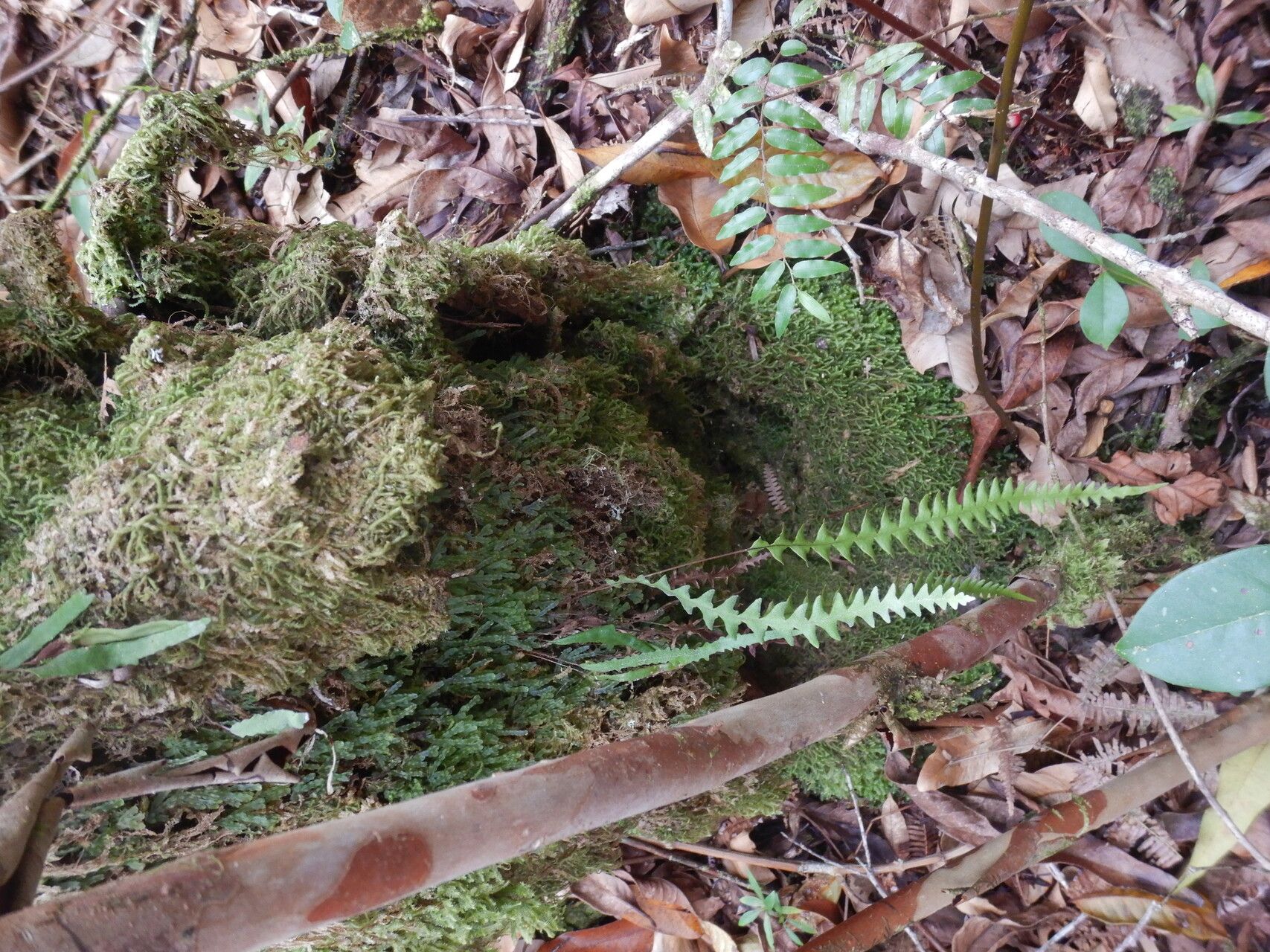
Hello fellow plant enthusiasts! Today, we’re diving into the wonderful world of propagating Grammitis argyrata, commonly known as the Silver Streaked Fern. If you’re drawn to its delicate, almost otherworldly beauty – that subtle shimmer on its fronds – you’re not alone. Growing this fern is a joy, and propagating it? Oh, that’s where the real magic happens. It’s a deeply satisfying way to multiply your plant collection and share a little bit of green with friends. Now, is it a breeze for absolute beginners? Truthfully, it requires a touch more attention than a pothos, but with a little guidance, I promise you can achieve success.
The Best Time to Start
For the highest chance of success with Grammitis argyrata, I always recommend propagating during its active growing season. This typically means late spring through to early summer. During this time, the plant has plenty of energy stored up, making it more resilient and better equipped to develop new roots. You’re essentially working with a plant that’s ready to burst with life!
Supplies You’ll Need
Before we get our hands dirty, let’s gather our essentials:
- Sterilized pruning shears or a sharp knife: Cleanliness is key to preventing disease.
- A well-draining potting mix: I like to use a mix of peat moss (or coco coir), perlite, and a bit of orchid bark. This mimics their natural, airy habitat.
- Small pots or containers: Clean plastic pots with drainage holes work great.
- Rooting hormone (optional but recommended): A little bit can give your cuttings a significant boost.
- Clear plastic bags or a propagator: To create a humid environment.
- Watering can or spray bottle: For gentle watering.
- Pot labels: So you don’t forget what you planted!
Propagation Methods
Grammitis argyrata is most commonly and successfully propagated through division. This is where we gently separate sections of the existing plant.
Division Walkthrough:
- Gently Remove from Pot: Carefully take your Grammitis argyrata out of its current pot. If it’s a bit stuck, a soft tap on the sides of the pot should loosen it. You can also try gently sliding a trowel around the edge.
- Inspect the Roots: Look at the root ball. You’re looking for natural separation points where a healthy clump of roots and fronds is already somewhat distinct from the main plant.
- Carefully Separate: This is the most crucial step. Using your sterilized shears or knife, gently cut or pull the plant apart at these natural division points. Try to keep as many healthy roots attached to each section as possible. Be patient; don’t force it if it feels like you’re tearing too much.
- Repot the Divisions: Plant each division into its own pot with your prepared, well-draining mix. Make sure the rhizome (the creeping stem from which fronds grow) is at or just slightly above the soil surface.
- Water Gently: Water each new pot thoroughly but gently, ensuring the soil is evenly moist but not waterlogged.
The “Secret Sauce” (Pro Tips)
Here are a couple of tricks I’ve learned over the years that can make a real difference:
- Don’t Over-Complicate the Mix: While a fancy mix is nice, for Grammitis argyrata division, a good quality potting mix with plenty of perlite for drainage is often sufficient. They aren’t terribly fussy if they have good aeration.
- Mimic the Humidity of their Natural Habitat: After potting your divisions, cover them loosely with a clear plastic bag or place them in a mini-greenhouse. This traps humidity, which is essential for ferns to establish. Make sure to provide some air circulation by opening the bag for a few minutes daily to prevent fungal issues.
Aftercare & Troubleshooting
Once your divisions are potted, keep them in a bright, indirect light location. Avoid direct sunlight at all costs; it will scorch those delicate fronds. Maintain consistent moisture – the soil should feel like a wrung-out sponge, never bone dry nor soaking wet.
If you notice your fronds yellowing or looking limp, it could be stress from the propagation process. However, if you see mushy, black stems or leaves at the soil line, that’s a strong indicator of rot, usually caused by overwatering or poor drainage. In this case, try to gently remove the affected parts and allow the soil to dry out a bit more. If the whole division is affected, sadly, it may not recover.
A Bit of Patience, A Lot of Joy
Propagating plants, especially something as beautiful as Grammitis argyrata, is a journey. There will be successes, and there might be a few learning experiences. Don’t get discouraged if not every division thrives immediately. Be patient, observe your new plants, and give them the environment they desire. The reward of seeing new fronds unfurl on a plant you’ve grown yourself is truly special. Happy propagating!
Resource: