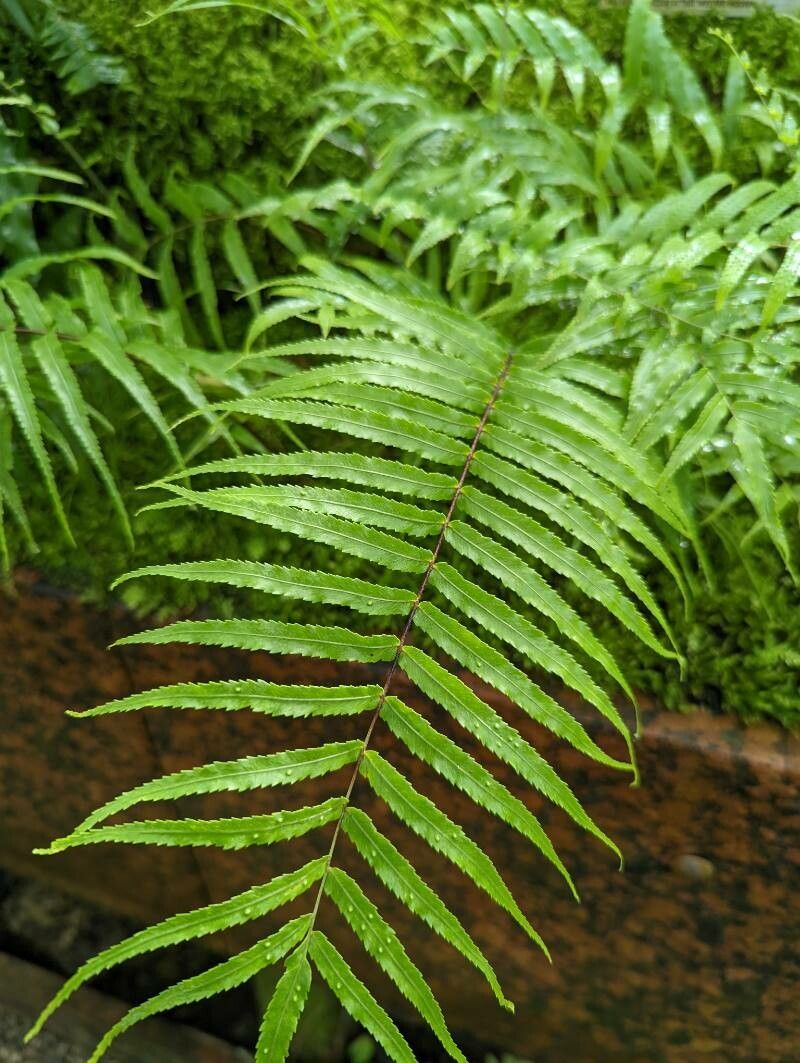
Oh, Goniophlebium benguetense! What a dream of a fern. If you’ve ever seen one of these beauties gracing a shady corner or dangling elegantly from a pot, you know exactly why I’m so smitten. Its lovely, frilly fronds have this almost ethereal quality, adding so much texture and life to an indoor garden. And the best part? You can absolutely bring more of this magic into your home by propagating it yourself.
Now, I won’t lie, ferns can sometimes be a bit particular. But Goniophlebium benguetense, with a little understanding, is definitely within reach for most of us. It’s deeply satisfying to watch a new plant emerge from a tiny piece of its parent.
The Best Time to Start
For most of my propagation adventures, including with ferns like this one, spring is your golden ticket. As the days get longer and warmer, plants are naturally pushing out new growth and have more energy reserves. You’re just nudging them along a bit. Aim for when you see your existing fern looking vigorous and putting out fresh, healthy fronds. Avoid trying this during the depths of winter when growth slows down considerably.
Supplies You’ll Need
Gathering your tools beforehand makes the whole process smoother. Here’s what I usually have on hand:
- Sharp, clean pruning shears or a sharp knife: For making precise cuts. Sterilize them with rubbing alcohol between uses!
- A well-draining potting mix: I like a blend of peat moss, perlite, and a bit of orchid bark for good aeration. You can also find specific fern mixes.
- Small pots or trays: Clean them thoroughly. Small terracotta pots are great for letting excess moisture evaporate.
- Rooting hormone (optional but helpful): A powder or gel can give your cuttings a little boost.
- A clear plastic bag or propagation dome: To create a humid environment.
- Spray bottle: For misting.
- Labels: So you don’t forget what you’ve propagated!
Propagation Methods
Goniophlebium benguetense is best propagated through division or stem cuttings. Let’s dive into how I do it.
Division
This is my preferred method for Goniophlebium benguetense if the plant is already mature and starting to fill its pot.
- Gently remove the fern from its pot. If it’s stuck, run a knife around the edge.
- Inspect the root ball. You’re looking for distinct sections of the plant that have their own roots and shoots.
- Carefully tease apart the divisions. You can use your fingers or a clean knife to separate them. Make sure each division has at least one healthy rhizome (the creeping stem) and a few fronds.
- Pot up each division. Use your prepared potting mix in clean pots.
- Water gently and place them in their new home.
Stem Cuttings
This method works well when you have a vigorous plant and want to create more from its new growth.
- Select a healthy, mature frond that has a bit of the rhizome attached. You’re not just cutting a leafy stem here; you want a small section of that fleshy, creeping bit.
- Make a clean cut with your sterilized tool, just below the rhizome section.
- Optional: Dip the cut end in rooting hormone.
- Prepare a small pot with your moist potting mix.
- Gently press the cut end of the rhizome section into the soil. You want the rhizome to be in contact with the soil.
- Mist the cutting lightly and cover the pot with a clear plastic bag or propagation dome to maintain high humidity.
The “Secret Sauce” (Pro Tips)
Here are a few things I’ve learned over the years that make a big difference:
- Humidity is King: Ferns absolutely love humidity. That plastic bag or dome is crucial to keep the moisture levels high around your cutting until it establishes roots. If the leaves start to look sad and wilted, it’s usually a sign the humidity has dropped.
- Don’t Drown Them: While they need moisture, constantly waterlogged soil leads to rot. The key is consistently moist, not soggy. I like to water thoroughly when the top bit of soil starts to feel dry, but before it dries out completely.
- A Little Warmth Helps: If you have a heat mat for seedlings, placing your pots on it can significantly speed up root development. Ferns are tropical, and a little bottom warmth is like a cozy blanket for them.
Aftercare & Troubleshooting
Once your division or cutting shows signs of new growth – new fronds unfurling or roots peeking out the bottom of the pot – congratulations! This means it’s starting to establish itself.
Keep it in its humid environment for a little longer, then gradually acclimate it to normal room humidity by opening the bag a little each day over a week. Continue to keep the soil consistently moist. As it grows, you can eventually pot it up into a larger container.
The most common pitfall is rot. If your cutting turns mushy and black, it’s likely too much moisture and not enough air circulation. Don’t be discouraged if this happens; it’s part of the learning curve. Try again with better drainage and a little less water. Yellowing fronds can sometimes mean too much light, or that the plant is just acclimating.
So there you have it! Propagating Goniophlebium benguetense is a rewarding endeavor that allows you to multiply your enjoyment of this stunning fern. Be patient, observe your plants, and trust your green thumb. Happy propagating!
Resource: