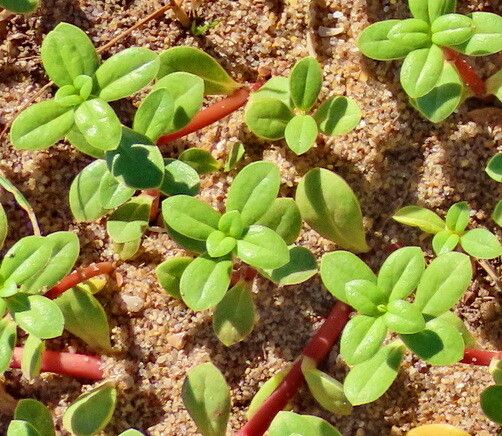
Oh, Gomphrena! If you’re looking for a plant that brings a delightful splash of color and a touch of wild charm to your garden, and you love the idea of filling your pots without breaking the bank, then you’ve found a winner. Gomphrena portulacoides, often called Dwarf Periwinkle or Brazilian Gomphrena, is a real treasure. Its cheerful, daisy-like blooms and low, sprawling habit make it perfect for borders, rock gardens, or spilling over the edges of containers. And the best part? Propagating it is surprisingly straightforward. Even if you’re just dipping your toes into the world of seed starting or cuttings, I think you’ll find Gomphrena to be a wonderfully rewarding plant to multiply.
The Best Time to Start
For the most vigorous growth and the highest chance of success, I always recommend starting your Gomphrena propagation in late spring or early summer. This is when the days are getting longer, the temperatures are consistently warm, and the plants are in full swing of producing new, healthy growth. You want to be taking cuttings from actively growing stems, not from woody, old growth.
Supplies You’ll Need
Before we get our hands dirty, let’s gather our tools:
- Sharp pruning shears or a clean knife: For making those crucial cuts.
- Rooting hormone powder or gel: While not strictly essential for Gomphrena, it can give your cuttings a helpful boost.
- Small pots or seed trays: Clean ones, please!
- A well-draining potting mix: I often use a blend of peat moss or coco coir, perlite, and a little compost. A commercial seed-starting mix works beautifully too.
- Watering can with a fine rose or a spray bottle: Gentle watering is key.
- A plastic bag or a propagation dome: To create a humid environment.
- Optional: A heat mat: This can speed up rooting, especially if your propagation area is on the cooler side.
Propagation Methods
Gomphrena portulacoides is most easily propagated from stem cuttings. It’s wonderfully forgiving, and this method usually yields the best results for me.
- Take Your Cuttings: Head out to your Gomphrena plants on a warm, sunny morning. Look for healthy, non-flowering stems that are about 3-5 inches long. Using your sharp shears or knife, make a clean cut just below a leaf node (where a leaf attaches to the stem). This is where the magic of root formation happens.
- Prepare the Cuttings: Gently remove the lower leaves from the cutting, leaving just 2-3 sets of leaves at the top. This prevents the lower leaves from rotting in the soil and allows the plant to focus its energy on root development.
- Apply Rooting Hormone (Optional): If you’re using rooting hormone, dip the cut end of the stem into the powder or gel. Tap off any excess.
- Planting: Fill your small pots or trays with your prepared potting mix. Make little holes in the center of each pot with a pencil or your finger. Carefully insert the cut end of your Gomphrena cutting into the hole, and gently firm the soil around it.
- Water and Cover: Water the soil thoroughly but gently until it’s evenly moist. Then, place a clear plastic bag over the pot or cover your tray with a propagation dome. This creates a mini-greenhouse, keeping the humidity high, which is vital for cuttings. If you’re not using a bag, you can also mist the cuttings and the inside of the plastic periodically.
The “Secret Sauce” (Pro Tips)
Here are a few little tricks up my sleeve that seem to make a difference:
- Don’t let the leaves touch the soil: This is super important! If the lower leaves are submerged in the damp soil, they’re prone to rot. Trim them back a little further if you think there’s any chance they’ll make contact.
- Bottom heat is your friend: If you’re finding your cuttings are taking a while to root, or if your home is a bit on the cooler side, pop them onto a heated propagation mat. This gentle warmth from below mimics the ideal conditions for root development. It really can speed things up!
- Be patient with airflow: After a couple of weeks, you might start to see some new growth. At this point, it’s a good idea to slightly vent the plastic bag or dome each day for about 30 minutes to allow for some air circulation and prevent fungal issues.
Aftercare & Troubleshooting
Once you see new leaf growth emerging from your cuttings, that’s a fantastic sign of roots! Keep the soil consistently moist, but not soggy. You can gently tug on a cutting; if you feel resistance, it means roots have formed.
The most common problem you might encounter is rot. This usually happens when cuttings sit in waterlogged soil or if the humidity is too high for too long without any ventilation. If you see a cutting looking limp, mushy, or yellowing excessively, it’s likely rot. Sadly, there’s not much to be done once rot sets in, so it’s best to discard it and try again, focusing on ensuring good drainage and proper ventilation.
A Little Encouragement
Propagating plants is a wonderful way to connect with nature. It’s a process that requires a gentle touch and a good dose of patience, but the reward of seeing those tiny cuttings flourish into new plants is truly something special. Don’t be discouraged if not every attempt is a roaring success – that’s part of the learning journey! Just enjoy the process, get your hands in the soil, and watch your Gomphrena collection grow. Happy propagating!
Resource: