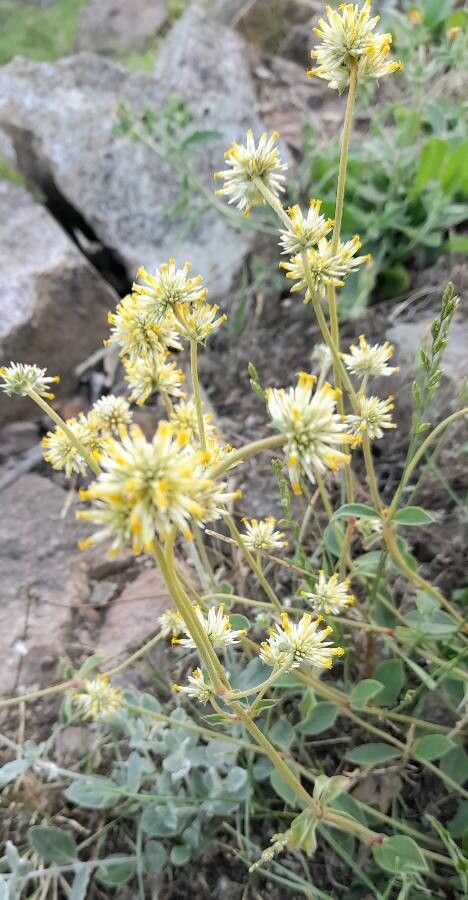
Oh, hello there! Come on in and grab a cup of coffee. We’re going to chat about one of my absolute favorite plants today: Gomphrena perennis, or as many of us fondly call it, Globe Amaranth. Isn’t it just a delight? Those little papery globes, in their vibrant shades of magenta, pink, and white, have such a cheerful presence in the garden. They dry beautifully too, making them a must-have for everlasting bouquets.
And the best part? Propagating Gomphrena is surprisingly rewarding, even for those just dipping their toes into the gardening world. Honestly, I’d say it’s a pretty beginner-friendly plant when it comes to making more of it. You’ll feel like a gardening wizard in no time!
The Best Time to Start
For the highest success rates, I always recommend starting your Gomphrena propagation in the late spring or early summer. This is when the plant is in its active growing phase, and those cuttings will have plenty of warmth and light to get those roots going. Waiting until after your last frost is key, of course. You’re looking for nice, healthy stems that aren’t flowering yet. Think of them as full of youthful vigor, ready to sprout!
Supplies You’ll Need
Gathering your supplies beforehand makes the whole process much smoother. Here’s what I usually have on hand:
- Sharp pruning shears or a clean knife: For taking clean cuttings.
- A well-draining seed starting mix or a perlite/peat moss blend: This is crucial. Soggy soil is the enemy of new roots.
- Small pots or trays: Clean ones are best to prevent disease.
- Rooting hormone (optional but recommended): It gives your cuttings a little boost.
- A spray bottle: For misting the cuttings.
- Plastic bags or domes: To create a humid environment.
- A warm location: A sunny windowsill or a heat mat is ideal.
Propagation Methods
Gomphrena is wonderfully versatile. I find that taking stem cuttings is usually the most reliable and productive method for me.
Here’s how I do it:
- Select Your Stems: Look for healthy, non-flowering stems on a mature Gomphrena plant. You want stems that are about 4-6 inches long.
- Make the Cut: Using your clean shears or knife, take cuttings just below a leaf node. This is the little bump on the stem where a leaf grows from. That’s where the magic happens – where roots are most likely to form.
- Prepare the Cuttings: Gently remove the lower leaves from your cuttings, leaving just a couple of leaves at the top. This prevents them from rotting in the soil and also reduces the plant’s water loss.
- Dip in Rooting Hormone (Optional): If you’re using rooting hormone, dip the cut end of each stem into it. Tap off any excess.
- Plant Them Up: Fill your small pots or trays with your moist, well-draining soil mix. Make little holes with your finger or a pencil.
- Insert the Cuttings: Place each cutting into a hole, firming the soil gently around it. Make sure at least one leaf node is buried under the soil surface.
- Create Humidity: Water gently to settle the soil. Then, cover the pots with a clear plastic bag or a propagation dome to create a mini-greenhouse. This traps moisture, which is what those cuttings desperately need to get started.
- Provide Warmth and Light: Place your pots in a bright spot out of direct, scorching sunlight. If you have a heat mat, placing the pots on it will significantly speed up root development.
I’ve also experimented with water propagation for Gomphrena, and it can work! Just place the prepared cuttings (similar to steps 2 and 3 above) in a jar of water. Make sure to change the water every few days. The key here is to not let the lower leaves touch the water. They’ll just rot and can take the whole cutting down with them. Once you see good root development (about an inch or so), you can carefully transplant them into soil.
The “Secret Sauce” (Pro Tips)
Over the years, I’ve learned a few little tricks that seem to make all the difference.
- Bottom Heat is Your Friend: I touched on this, but honestly, bottom heat from a seedling mat is a game-changer. It keeps the soil consistently warm, which encourages root formation much faster than relying on ambient temperature alone. You’ll be amazed at the speed!
- Don’t Overwater Early On: I know it feels counterintuitive, but once those cuttings are planted, they don’t need to be waterlogged. Keep the soil consistently moist but not soggy. Overwatering is the fastest way to invite rot and doom your efforts. The humidity dome will help keep things from drying out too quickly.
- “Air Pruning” for Happier Roots: When you’re transplanting your rooted cuttings, sometimes the roots can get a bit bound. If you notice this, gently tease them apart. Healthy roots like to explore, and if they feel constricted, they won’t grow as vigorously.
Aftercare & Troubleshooting
Once you start seeing new growth on your cuttings – tiny leaves emerging – that’s a fantastic sign that roots are developing! Keep them in that humid environment for a little while longer, gradually acclimating them to drier air by opening the bag or dome for longer periods each day.
Once they have a good bit of top growth and feel secure when gently tugged, they’re ready to be transplanted into their own pots with their regular potting mix. Continue to water them regularly.
Now, about troubleshooting! The most common issue you’ll face with Gomphrena cuttings is rot. This usually happens if the soil is too wet, there’s not enough air circulation, or disease has set in. If you see stems turning mushy or black, sadly, that cutting is likely lost. Ditch it and any others showing similar signs. Good drainage and proper watering are your best defenses against this. Also, always start with clean tools and pots!
A Encouraging Closing
You’ve got this! Propagating Gomphrena is a wonderfully accessible way to expand your garden and share these cheerful blooms with friends. Be patient, observe your cuttings closely, and don’t be discouraged if not every single one makes it. Gardening is all about learning and trying again. Enjoy the journey, and soon you’ll have a whole patch of these delightful globes! Happy growing!
Resource:
https://identify.plantnet.org/k-world-flora/species/Gomphrena%20perennis%20L./data