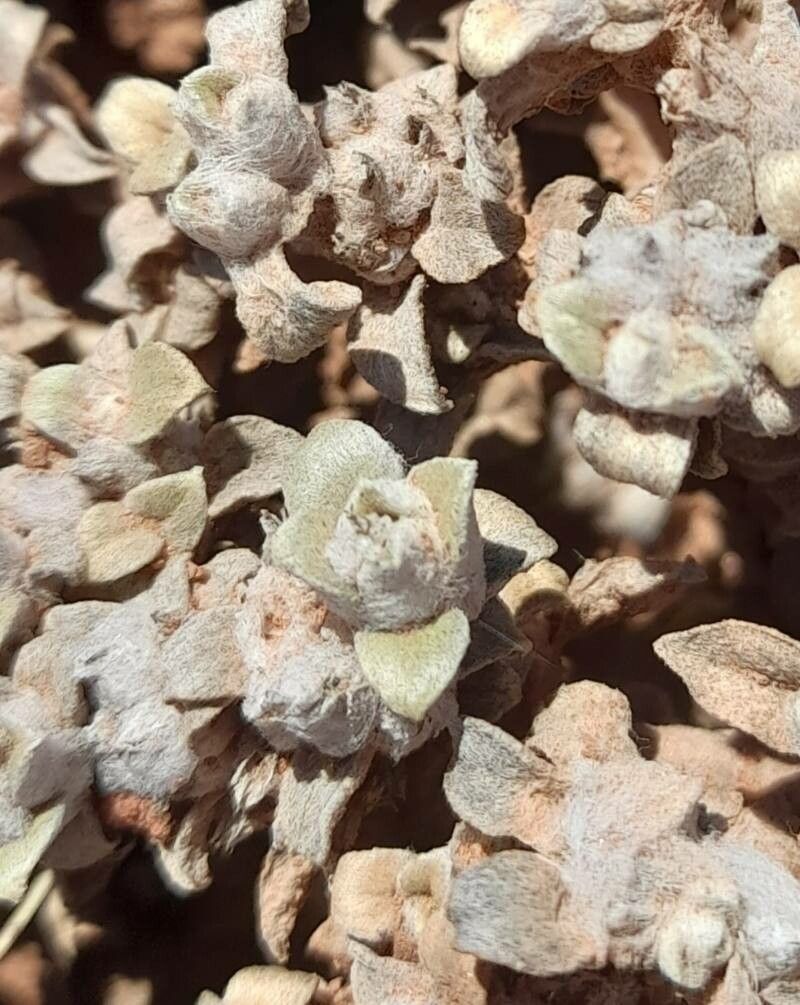
Hello, fellow garden lovers! Today, we’re diving into the wonderful world of Gomphrena colosacana, often known as the “Globe Amaranth.” If you’re a fan of those delightful, papery globe-shaped flowers that come in vibrant shades of purple, pink, and orange, you’re in for a treat. Propagating these beauties is a fantastic way to fill your garden (or your vases!) with even more of their cheerful blooms.
Why Propagate Gomphrena?
Honestly, who doesn’t love more flowers? Gomphrena brings such a unique texture and long-lasting color to the garden. They’re practically everlasting, and propagating them yourself is incredibly satisfying. Plus, you’ll have plenty to share with friends or use in dried arrangements. For beginners? I’d say Gomphrena is quite forgiving! You’ll likely have a good success rate, making it a perfect plant to start with if you’re new to propagation.
The Best Time to Start
The sweet spot for propagating Gomphrena is generally in late spring or early summer. This is when the plant is actively growing and has plenty of energy to put into developing new roots. You’re looking for healthy, non-flowering stems that are about 4-6 inches long. Think of it as taking cuttings when the plant is at its most vigorous!
Supplies You’ll Need
Gathering your supplies beforehand makes the whole process smoother. Here’s what I usually have on hand:
- Sharp, clean pruning shears or a sharp knife: Essential for making clean cuts without damaging the plant.
- Seed-starting mix or a well-draining potting mix: A light, airy mix is key. I like to add a bit of perlite to my regular potting soil to improve drainage.
- Small pots or seed trays: With drainage holes, of course!
- Rooting hormone (optional, but helpful): This isn’t strictly necessary for Gomphrena, but it can give your cuttings a little boost.
- A clear plastic bag or humidity dome: To create a mini-greenhouse effect.
- Water mister or spray bottle: For keeping things moist.
Propagation Methods: Stem Cuttings
This is my go-to method for Gomphrena, and it’s quite effective.
- Select Your Stems: Find a healthy, mature Gomphrena plant. Look for stems that are at least 4-6 inches long and aren’t currently flowering. Pinch off any flowers or developing buds.
- Make the Cut: Using your clean shears or knife, make a clean cut just below a leaf node (where a leaf attaches to the stem). This is where the magic of root development often happens.
- Prepare the Cutting: Gently remove the lower leaves from the cutting, leaving just a few at the top. This prevents them from rotting in the soil and reduces water loss.
- Apply Rooting Hormone (Optional): If you’re using rooting hormone, dip the cut end of the stem into the powder, tapping off any excess.
- Plant Your Cuttings: Fill your small pots with your prepared potting mix. Make a small hole in the center of the soil with your finger or a pencil. Carefully insert the cut end of the stem into the hole, and gently firm the soil around it.
- Water Gently: Water the soil lightly, just enough to moisten it.
The “Secret Sauce” (Pro Tips)
Here are a few tricks I’ve picked up over the years that can really up your propagation game:
- Don’t let the leaves touch the water (if water propagating): While I primarily use soil for Gomphrena, if you ever try water propagation with other plants, remember to keep the leaves above the water line. Submerged leaves will rot and can spread that rot to the stem.
- Provide bottom heat: Gomphrena, like many annuals, loves a bit of warmth to encourage root formation. Placing your pots on a heat mat designed for seedlings can make a significant difference, especially if your ambient temperatures are a bit cooler. It’s like a cozy little spa day for your cuttings!
- Callus time: Before sticking cuttings into soil, sometimes letting them sit out for a few hours in a shady spot can allow the cut end to form a bit of a callus. This can help prevent rot and encourage better root development in some plants. I find it can be helpful for Gomphrena too, though not strictly essential!
Aftercare & Troubleshooting
Once your cuttings are planted, it’s time for them to get comfy.
- Create a Humid Environment: Cover the pots loosely with a clear plastic bag or place them under a humidity dome. This traps moisture and creates the humid environment cuttings need to thrive. Make sure the plastic isn’t touching the leaves too much; if it is, prop it up with small stakes.
- Bright, Indirect Light: Place the pots in a location that receives bright, indirect sunlight. Direct sun can scorch those delicate new cuttings.
- Keep Soil Consistently Moist: Don’t let the soil dry out completely, but also avoid waterlogging it. A light misting with your spray bottle is often enough to keep the surface moist between waterings. If you used a humidity dome, you might not need to mist too often.
- Checking for Roots: Be patient! It can take 2-4 weeks for roots to develop. You can gently tug on a cutting; if you feel resistance, it’s likely rooted. Alternatively, you might see new leaf growth appearing.
- Troubleshooting: Rot: The most common issue is rot, which usually happens when the soil is too wet and there’s not enough air circulation. If a cutting turns mushy or black at the base, it’s a sign of rot. Sadly, these can’t usually be saved. Make sure your soil drains well and consider the bottom heat tip!
Happy Growing!
Propagating Gomphrena is a really rewarding process. It’s a chance to connect with your plants on a deeper level and multiply the joy they bring. Don’t be discouraged if you have a few failures along the way – every gardener does! Just keep practicing, be patient, and enjoy the magic of watching new life sprout. Happy propagating!
Resource:
https://identify.plantnet.org/k-world-flora/species/Gomphrena%20colosacana%20Hunz.%20&%20Subils/data