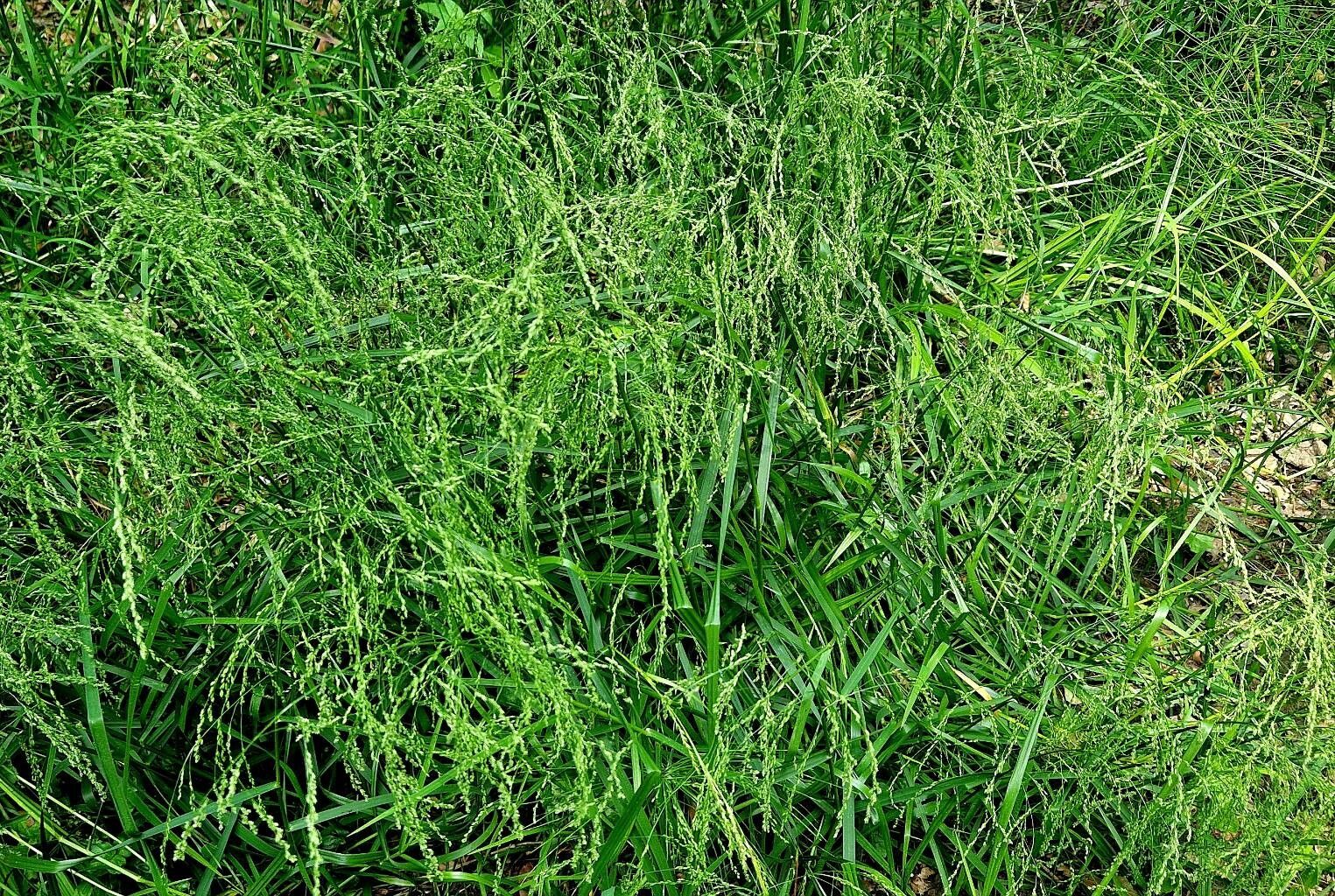
Hello, fellow plant lovers! It’s so wonderful to have you join me today. We’re going to talk about a truly delightful grass, Glyceria striata, often called Fowl Mannagrass. Now, I know what you might be thinking – grass? But trust me, this beauty is so much more than just lawn fodder. Its graceful, arching stems and lovely green foliage bring a wonderful softness and movement to any space. It’s particularly charming when planted near water features or in moist garden beds, creating a serene, naturalistic feel.
If you’ve ever admired Fowl Mannagrass and wished you had more of it, you’re in luck! Propagating it is a genuinely rewarding experience. You get to witness a tiny piece transform into a thriving new plant, and best of all, it’s a pretty forgiving plant to work with. For beginners, I’d say Glyceria striata is a great starter plant for propagation. You’ll likely find success with its easy-going nature.
The Best Time to Start
The sweet spot for propagating Glyceria striata is late spring to early summer. This is when the plant is in full, vigorous growth. You’ll find that cuttings taken during this time have all the energy they need to develop strong roots. Waiting until the plant has put on a good amount of new growth also gives you plenty of material to work with.
Supplies You’ll Need
Here’s a little shopping list to get you prepped:
- Sharp pruning shears or a clean knife: For making clean cuts.
- Small pots or trays: With drainage holes, of course!
- A good quality seed-starting mix or a blend of equal parts peat moss and perlite: This provides excellent drainage and aeration.
- Rooting hormone (optional but recommended): Helps speed up root development.
- Watering can or spray bottle: For gentle watering.
- Plastic bags or a propagator lid: To create a humid environment.
Propagation Methods
Glyceria striata is fantastic because it’s quite amenable to different propagation techniques. I find division to be the easiest and most reliable method, especially for beginners.
Division: My Go-To Method
This is essentially breaking apart a mature plant into smaller sections, each with its own roots and shoots.
- Gently excavate: Carefully dig up your established Glyceria striata plant. You can do this in the spring or fall, but spring is ideal if you want immediate growth.
- Clean the roots: Gently wash away excess soil from the root ball so you can clearly see the division points.
- Locate natural breaks: Look for areas where the plant naturally splits or where there are distinct clumps of shoots emerging from the same root mass.
- Make your divisions: Using your hands or a clean knife/spade, carefully separate the plant into smaller sections. Aim for divisions that have at least a few shoots and a good amount of healthy roots. If a division seems particularly large or dense, you can make multiple divisions from it.
- Pot them up: Plant each division into its own pot filled with your chosen potting mix. Water them thoroughly.
Stem Cuttings: For the Adventurous
While division is my preferred method, you can also try stem cuttings when your plant is growing vigorously.
- Take cuttings: Select healthy, non-flowering stems that are about 4-6 inches long. Use your sharp shears or knife to make a clean cut just below a leaf node.
- Prepare the cuttings: Remove the lower leaves from the cutting, leaving just a few at the top. You can dip the cut end into rooting hormone now, if you’re using it.
- Plant the cuttings: Insert the cut end of each stem into pots filled with your seed-starting mix. Make sure the leaf nodes are buried as they are where roots will form.
- Create humidity: Water the mix gently and then cover the pots with a plastic bag or place them in a propagator. This will help maintain high humidity, which is crucial for cuttings.
The “Secret Sauce” (Pro Tips)
Here are a couple of tricks I’ve learned over the years that really make a difference:
- When doing water propagation (which can also work for Glyceria striata if you have a dense clump you want to try separating into water), make sure no leaves are touching the water. Submerged leaves will rot, which isn’t ideal for encouraging root growth. Only the stem should be in the water.
- For stem cuttings, if you can provide a little bottom heat, it really speeds things up. A heat mat designed for seedlings can make a world of difference, encouraging those roots to form much more quickly.
Aftercare & Troubleshooting
Once your new divisions or cuttings are potted up, keep them consistently moist but not waterlogged. This is especially important for cuttings, as they don’t have roots yet to absorb water. I like to mist them every so often and check the soil moisture daily.
New roots typically appear within a few weeks to a couple of months, depending on the method and conditions. You’ll know roots are forming when you see new growth on the top of the plant, or if you gently tug on a cutting and feel resistance.
The most common sign of trouble is rot. If your cuttings turn slimy and mushy, or if your divisions look limp and discolored despite being watered, it’s likely rot. This is usually caused by too much moisture and poor air circulation. If you see this, remove the affected pieces immediately, ensure better drainage, and try to improve airflow.
A Encouraging Closing
Propagating Glyceria striata is a journey, and like any good journey, it requires a little patience. Don’t be discouraged if your first attempt isn’t perfect. Learn from it, adjust your approach, and most importantly, enjoy the process of nurturing new life. Happy gardening, everyone!
Resource:
https://identify.plantnet.org/k-world-flora/species/Glyceria%20striata%20(Lam.)%20Hitchc./data