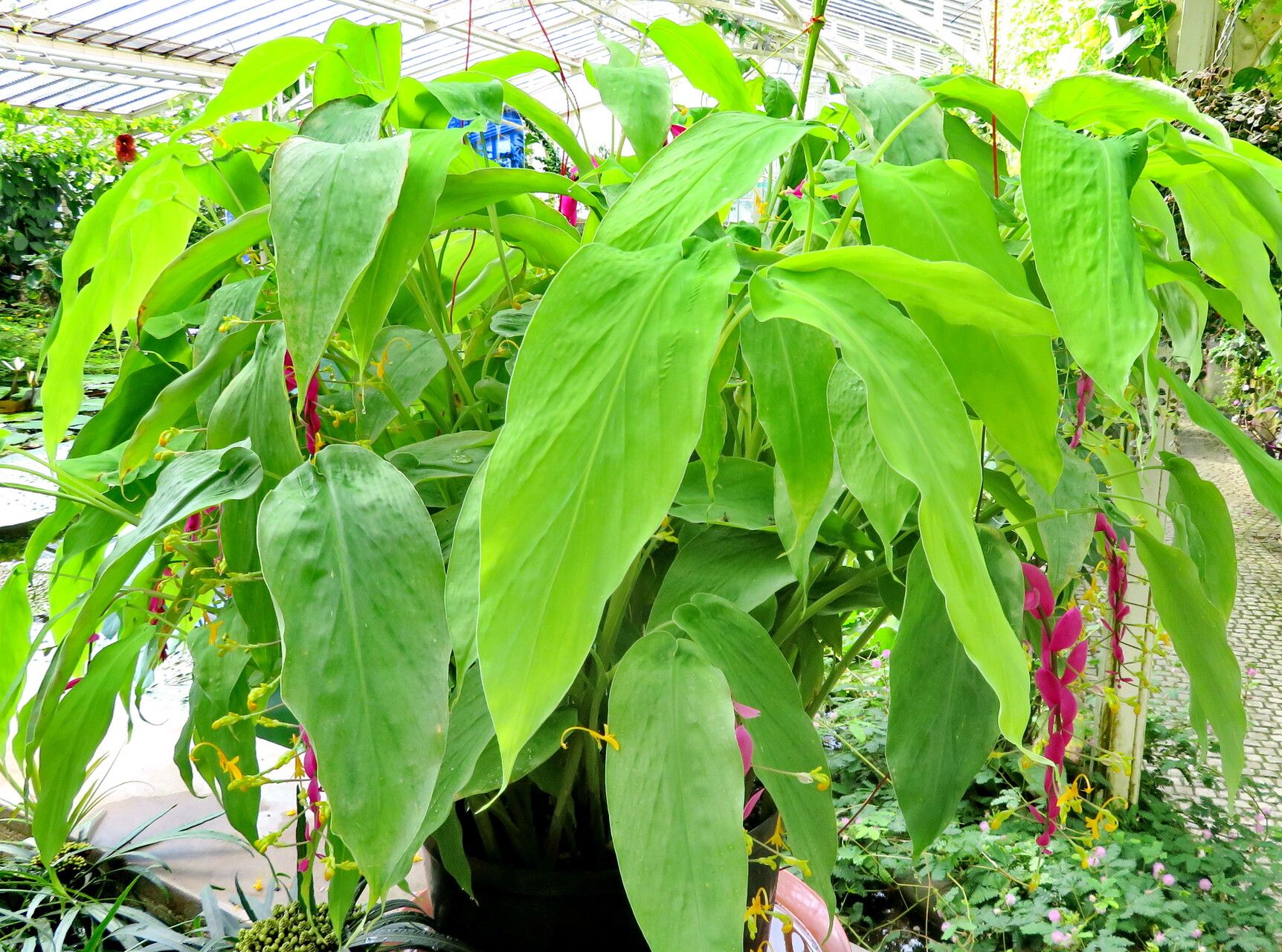
Oh, hello there! So glad you stopped by. We’re going to dive into the wonderfully whimsical world of Globba winitii today. If you’re anything like me, the sight of this ginger relative, with its dancing, genie-lamp-shaped blooms, just makes you smile. It’s often called the Dancing Lady Ginger, and honestly, it lives up to the name! Propagating your own Globba winitii is incredibly rewarding. You get to witness that magical moment of new life unfurling, and of course, have more of these beauties to share or arrange. Now, is it a walk in the park for a total beginner? I’d say it’s more of a gentle stroll. It requires a little patience, but the rewards are absolutely worth it.
The Best Time to Start
For the highest success rate with Globba winitii, I find the best time is just as the plant is showing signs of vigorous new growth. This usually happens in late spring to early summer, after the risk of frost has passed and temperatures are warming up steadily. You want to catch it when it’s actively putting on energy, not when it’s preparing to rest.
Supplies You’ll Need
Before we get started, let’s gather our essentials. It’s always good to be prepared!
- Sharp Pruning Shears or a Clean Knife: For taking clean cuts. Sterilize them with rubbing alcohol to prevent disease.
- Well-Draining Potting Mix: A good starting point is a mix of peat moss, perlite, and a bit of coarse sand. You can also use a commercial seed-starting mix or a mix formulated for tropical plants.
- Small Pots or Trays: Clean, small pots with drainage holes are ideal.
- Rooting Hormone (Optional but Recommended): This can significantly speed up root development for cuttings. Look for a powder or gel.
- Watering Can with a Fine Rose or a Spray Bottle: For gentle watering.
- Clear Plastic Bag or Dome: To create a humid environment if needed.
- Labels: Don’t forget to label your efforts!
Propagation Methods
Globba winitii is primarily propagated through division, which is my favorite and most reliable method. You can also try stem cuttings, though this can be a bit more finicky.
Division: The Most Rewarding Way
This is how I primarily increase my collection. It’s best done when you’re repotting your established plant.
- Gently Remove from Pot: Carefully take your Globba winitii out of its current pot. Shake off as much of the old soil as you can, so you can clearly see the underground rhizomes.
- Locate the Rhizomes: You’ll see the thick, fleshy underground stems. Look for natural separation points where new shoots are emerging from an older section.
- Separate the Divisions: Using your clean hands or a sharp, sterilized knife, carefully break or cut the rhizome into sections. Each division should have at least one healthy growing shoot and a good chunk of rhizome with a few roots attached if possible.
- Pot Up: Plant each division into its own pot filled with your well-draining potting mix. Plant them shallowly, with the top of the rhizome just at or slightly below the soil surface. Ensure the shoot is pointing upwards.
- Water Lightly: Water the newly potted divisions gently. Don’t drench them.
Stem Cuttings: A Little More Adventurous
If you don’t want to disturb your main plant or have a particularly lush specimen, stem cuttings are an option.
- Take Cuttings: Select a healthy stem that has at least two or three nodes (where leaves attach). Using your sterilized shears, make a clean cut just below a node. Remove the lower leaves from the cutting, leaving just one or two at the top.
- Apply Rooting Hormone: If you’re using rooting hormone, dip the cut end of the stem into it, tapping off any excess.
- Plant the Cutting: Insert the bottom node of the cutting into your prepared potting mix. You want the node to be in contact with the soil, as this is where roots will form.
- Provide Humidity: Water the soil lightly. Cover the pot with a clear plastic bag or a propagation dome to create a humid environment. You can prop the bag up with stakes so it doesn’t touch the leaves.
- Place in Bright, Indirect Light: Find a warm spot with bright, indirect light. Avoid direct sun, which can scorch the young cutting.
The “Secret Sauce” (Pro Tips)
Here are a few things I’ve learned over the years that seem to make a real difference:
- Don’t Overwater Divisions: While they need moisture, soggy rhizomes are a recipe for rot. It’s better to err on the side of slightly dry than too wet, especially in the initial stages. I always tell folks to feel the soil; if it’s dry an inch down, then it’s time to water.
- Bottom Heat is Your Friend for Cuttings: If you’re trying stem cuttings, placing the pot on a gentle heating mat can work wonders. It encourages those elusive roots to form much faster by keeping the soil consistently warm.
- Watch for the “Push”: With divisions, you’ll know they’ve taken when you see a new shoot pushing up through the soil. This is your sign of success and new life!
Aftercare & Troubleshooting
Once your divisions or cuttings have established roots (this can take anywhere from a few weeks to a couple of months), you can start treating them like mature plants. Gradually remove the plastic cover from cuttings to acclimate them to normal humidity. Water them when the top inch of soil feels dry, and keep them in bright, indirect light.
The most common issue you’ll encounter is rot. If you notice your cutting turning mushy and black, or a division’s rhizome becoming soft and foul-smelling, it’s usually a sign of overwatering. Sadly, this is often fatal. Prevention is key – use that well-draining mix and water judiciously. If you catch something early and it seems localized, you might be able to cut away the affected part, but it’s a tough call.
A Gentle Encouraging Closing
Remember, gardening is a journey, and propagation is a wonderful way to participate in the cycle of life. Be patient with your new Globba winitii plants. They’ll show you when they’re ready. Enjoy the process, learn from every new sprout and every little setback. Happy propagating, and may your Dancing Ladies always bloom!
Resource:
https://identify.plantnet.org/k-world-flora/species/Globba%20winitii%20C.H.Wright/data