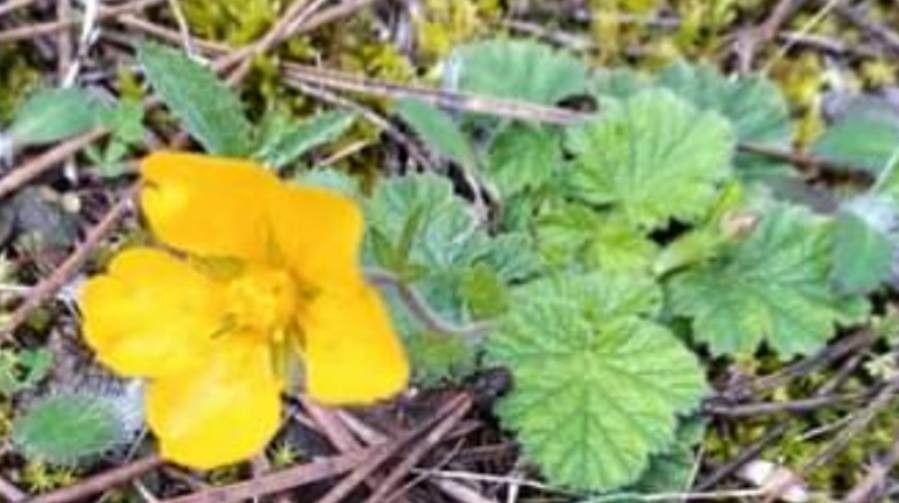
Hello there, fellow garden enthusiasts! If you’ve ever admired those cheerful, often vibrant blooms of Geum sylvaticum, you’re in for a treat. These little gems bring such joy to the garden, and the thought of creating more of them yourself is just wonderfully satisfying, isn’t it? I’ve been tinkering with plants for two decades now, and I can tell you, propagating Geum sylvaticum is a truly rewarding endeavor. For beginners? Oh, absolutely! You’ll find it quite forgiving and incredibly exciting to watch new life spring forth.
The Best Time to Start
Timing is everything in the garden, and for Geum sylvaticum, the sweet spot for propagation is typically during its active growing season. This usually means late spring to early summer. Once the plant has put on some good growth after flowering, you’ll have plenty of healthy material to work with. Taking cuttings or dividing when the plant is robust and full of life significantly increases your chances of success.
Supplies You’ll Need
Let’s gather our tools! Having everything ready makes the process so much smoother.
- Sharp pruning shears or a clean, sharp knife: Essential for making clean cuts.
- Pots or seed trays: Small ones work best for starting out.
- Well-draining potting mix: A good seedling mix or a blend of peat moss, perlite, and a little compost is ideal.
- Rooting hormone (optional but recommended): This can give your cuttings an extra boost.
- Watering can with a fine rose: For gentle watering.
- Clear plastic bag or propagator lid: To create a humid environment.
- Small labels and a marker: So you remember what you’ve planted where!
Propagation Methods
There are a couple of fantastic ways to bring new Geum sylvaticum plants into existence. Let’s dive in!
Stem Cuttings
This is my favorite method for Geum sylvaticum. It’s efficient and you can get multiple plants from a single parent.
- Select healthy stems: Look for non-flowering shoots that are about 4-6 inches long. They should be firm, not floppy, but not woody either – think of them as being in their prime.
- Make the cut: Using your clean shears or knife, make a clean cut just below a leaf node. A leaf node is where a leaf attaches to the stem. This is where roots are most likely to form.
- Prepare the cutting: Gently remove the lower leaves, leaving just a couple of leaves at the top. If your cuttings are long, you can even pinch off the very tip to encourage bushier growth later.
- Apply rooting hormone (if using): Dip the cut end into your rooting hormone. Tap off any excess.
- Plant your cuttings: Fill your small pots with your prepared potting mix. Make a small hole with your finger or a pencil. Insert the cut end of the stem into the hole, ensuring the lower leaf nodes are below the soil surface. Gently firm the soil around the base.
- Water gently: Water thoroughly until you see water drain from the bottom of the pot.
- Create humidity: Place your pots inside a clear plastic bag, sealing it loosely, or put a propagator lid on top. This will trap moisture and create a humid microclimate, which is crucial for cuttings. Place them in a bright spot out of direct sunlight.
Division
If your Geum sylvaticum has developed a nice clump, division is a wonderfully straightforward way to multiply your plants.
- Gently lift the plant: In the spring or early autumn, carefully dig around the base of your plant and lift the entire clump from the soil. Try not to disturb the roots too much.
- Inspect and divide: Gently shake off excess soil. You’ll see that the clump is made up of several smaller sections. You can often pull these sections apart with your hands. If they are a bit stubborn, you can use a clean, sharp knife or two forks to carefully tease them apart. Aim to have at least a few healthy shoots and some good root system on each division.
- Replant immediately: Pot up your divisions or replant them directly into their new garden spots. Water them in well.
The “Secret Sauce” (Pro Tips)
Alright, let’s talk about those little tricks that make a big difference.
- Don’t let the leaves touch the water in a water propagation setup (if you choose that route): While Geum sylvaticum might tolerate a short dip, the leaves will rot quickly if submerged long-term. Always ensure only the stem is in the water, just above the leaf nodes. I personally prefer soil for Geum cuttings as it’s less prone to rot issues.
- Bottom heat is a game-changer for cuttings: If you can, place your pots on a heated propagator mat. Warm soil encourages faster root development. It’s like giving your cuttings a warm hug, telling them it’s time to get growing!
- Mist, don’t soak: When you mist your cuttings (especially under a plastic bag), do it lightly. You want to maintain humidity, not create a swamp. Too much water on the leaves can lead to fungal issues.
Aftercare & Troubleshooting
Once you see those first signs of roots (a gentle tug resistance on the cutting, or new leaf growth), you’re on your way!
- Gradually introduce to air: Slowly uncover your cuttings over a few days to let them acclimatize to normal humidity.
- Potting on: Once your cuttings have a good root system and have filled their starting pots, you can pot them into slightly larger containers with fresh potting mix.
- Watch for rot: The most common failure is rot. If your cuttings turn black and mushy, it’s likely from too much moisture and not enough air circulation. For divisions, wilting that doesn’t recover with watering can indicate damaged roots or insufficient moisture. Ensure good drainage and avoid overwatering.
A Heartfelt Closing
Propagating Geum sylvaticum is a journey, and like any good garden project, it rewards patience and a gentle touch. Don’t be discouraged if a few don’t make it – that’s just part of the learning process! Celebrate your successes, learn from every experience, and most importantly, enjoy the magic of growing more beauty for your garden. Happy propagating!
Resource:
https://identify.plantnet.org/k-world-flora/species/Geum%20sylvaticum%20Pourr./data