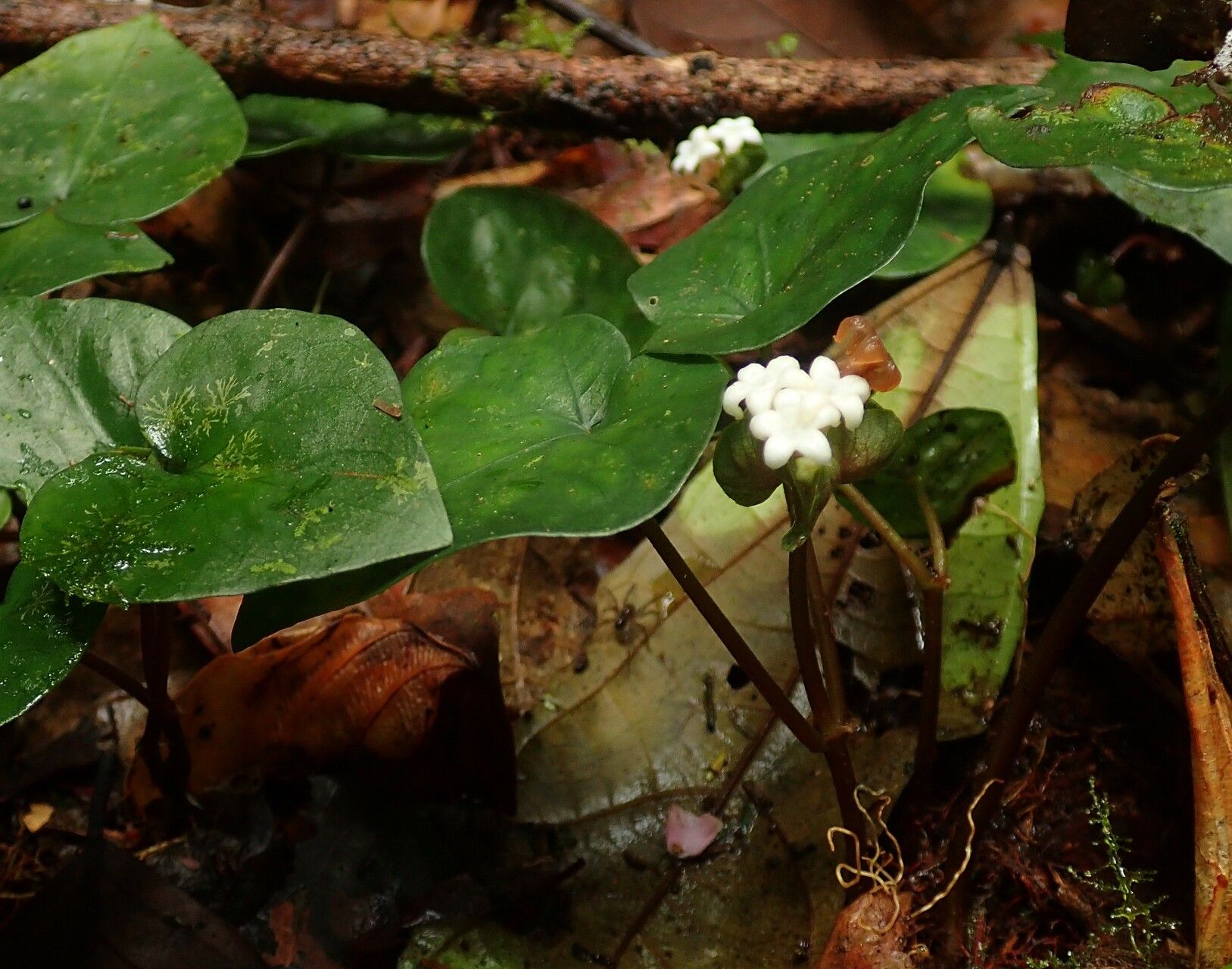
Hello there, fellow plant lovers! Today, I want to chat about a truly delightful little plant that I’ve grown to adore over the years: Geophila obvallata. You might know it by its common names, like “button ginger” or “ground ginger,” and if you don’t, you should really get acquainted! Its charm lies in its abundance of pretty, dark green, heart-shaped leaves that create a lovely lush groundcover. And the best part? Propagating it is a wonderfully rewarding endeavor, and while it has a few quirks, I’d say it’s moderately easy – perfect for those of you looking to expand your green family with a bit of hands-on learning.
The Best Time to Start
For the most success with propagating Geophila obvallata, I’ve found that late spring to early summer is your sweet spot. This is when the plant is really firing on all cylinders, actively growing and full of vigor. Spring’s longer days and warmer temperatures provide the perfect conditions for those precious cuttings to take root.
Supplies You’ll Need
Before we get our hands dirty, let’s gather our toolkit!
- Sharp, clean pruning shears or a craft knife: For making neat cuts.
- Small pots or propagation trays: With drainage holes, of course!
- A well-draining potting mix: I like to use a blend of peat moss, perlite, and a little bit of compost. A succulent or cactus mix can also work in a pinch.
- Rooting hormone (optional but recommended): This can really give your cuttings a boost.
- Clear plastic bags or a propagation dome: To create a humid environment.
- Watering can or spray bottle: For gentle watering.
- Labels: To keep track of your masterpieces!
Propagation Methods
Geophila obvallata is quite obliging, and I’ve had great success with a couple of methods.
Stem Cuttings
This is my go-to for increasing my stock.
- Select healthy stems: Look for stems that are plump and actively growing, not woody or brittle. Aim for cuttings that are about 3-6 inches long.
- Make your cut: Using your clean shears or knife, make a clean cut just below a leaf node. A leaf node is where a leaf attaches to the stem. This is where the magic of root formation often begins.
- Prepare the cutting: Gently remove the lower leaves from the cutting, leaving only a couple of leaves at the very top. You can even pinch off the very tip of the topmost leaf if it’s quite large, to reduce water loss.
- Apply rooting hormone (if using): Dip the cut end into your rooting hormone powder or liquid, tapping off any excess.
- Plant your cuttings: Make a small hole in your prepared potting mix using a pencil or your finger. Gently insert the cutting, ensuring the leaf nodes are buried in the soil.
- Water gently: Water the soil lightly to settle it around the cutting.
- Create humidity: Pop your pot into a clear plastic bag (loosely tied) or cover it with a propagation dome. This keeps the humidity high, which is crucial for cuttings. Place it in a bright spot with indirect light.
Water Propagation
This is a wonderfully visual way to propagate, and Geophila obvallata does well with it.
- Take your cuttings: Follow steps 1-3 from the stem cutting method.
- Place in water: Fill a small jar or glass with fresh water and place your cuttings in it.
- Crucial tip for water propagation: Make absolutely sure that no leaves are submerged in the water. Only the stem should be in contact with the water. If leaves touch the water, they tend to rot, which is the last thing we want!
- Change water regularly: Refresh the water every few days to keep it clean and oxygenated.
- Location is key: Place the jar in a bright location with indirect light, just like with stem cuttings.
- Watch for roots: You’ll start to see little white nubs emerge from the leaf nodes within a few weeks. Once these root nubs have grown to about an inch long, it’s time to transplant them!
The “Secret Sauce”
Here are a couple of things I’ve learned that make a real difference:
- Bottom Heat is Your Friend: If you can, using a seedling heat mat under your pots of cuttings can significantly speed up rooting. The gentle warmth encourages root development from below, giving your cuttings that extra push.
- Don’t Fuss Too Much: While it’s tempting to constantly check on your cuttings, try to resist the urge. Let them do their thing. Consistent moisture and light are more important than constant inspection. Overwatering or frequently disturbing them can hinder root formation.
Aftercare & Troubleshooting
Once you see those happy roots developing – hooray!
- For Stem Cuttings: When your cuttings have developed a good root system (you can gently tug on them to feel resistance, or even peek at the drainage holes for roots), it’s time to transplant them into individual small pots. Continue to keep them in bright, indirect light and water them consistently, but don’t let them sit in soggy soil.
- For Water Cuttings: When roots are about an inch long, carefully transplant them into your well-draining potting mix. Water them in gently, and again, keep them in a humid environment for the first week or two.
Common Signs of Trouble:
- Yellowing Leaves: This can be a sign of overwatering or too little light. Check your watering schedule and move the plant to a brighter spot if needed.
- Wilting and Drooping: While this can happen initially, if it persists, it might indicate underwatering or a lack of roots. Ensure the soil stays consistently moist but not waterlogged.
- Mushy Stems or Rotting: This is almost always a sign of too much moisture and poor drainage. If you see this, sadly, it’s usually best to discard the affected cutting and start again, ensuring better airflow and well-draining soil next time.
A Little Encouragement to Grow On
Propagating plants is a journey, and like any journey, there will be little bumps along the way. Don’t be discouraged if a cutting doesn’t make it. Each one is a learning experience! Be patient, enjoy the process of nurturing these new little lives, and before you know it, you’ll have a whole troop of Geophila obvallata spreading their leafy charm. Happy growing!
Resource: