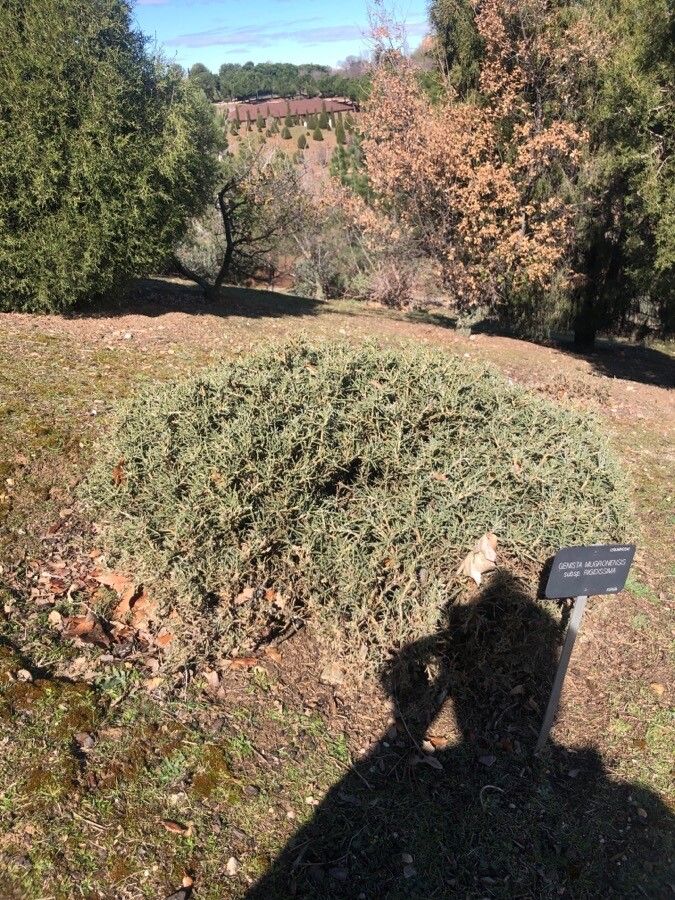
Oh, Genista mugronensis! If you’ve ever seen this Spanish broom gracing a garden with its explosion of vibrant yellow blooms, you know its charm. It’s a plant that just whispers sunshine, and being able to coax more of them into existence from just one is incredibly rewarding. For beginners, I’d say it’s moderately easy. It’s not quite as foolproof as, say, a pothos, but with a little attention, you’ll be well on your way to success.
The Best Time to Start
The sweet spot for most propagation is when the plant is actively growing but not stressed. For Genista mugronensis, your best bet is late spring to early summer. This is when the wood is semi-hard – not brand new, tender growth, but not fully mature and woody either. Think of it like a pencil that’s firm but still has a little give.
Supplies You’ll Need
Here’s what you’ll want to gather before you start:
- Sharp pruning shears or a clean knife: For making nice, clean cuts.
- Rooting hormone (optional but recommended): Especially for stem cuttings, this really gives them a boost. Look for one with IBA.
- Small pots or trays: With drainage holes, of course!
- A good potting mix: I like a blend of peat moss, perlite, and a little bit of seed-starting mix. This ensures good drainage and aeration, which is crucial.
- A plastic bag or propagation dome: To create a humid environment.
- Watering can with a fine rose: For gentle watering.
Propagation Methods
Let’s get our hands dirty with the most reliable methods!
Stem Cuttings
This is my go-to for Genista mugronensis.
- Take your cuttings: In late spring or early summer, select healthy stems that are about 4-6 inches long. Make your cut just below a leaf node (where a leaf attaches to the stem).
- Prepare the cuttings: Gently remove the lower leaves, leaving just a few at the top. This prevents them from rotting in the soil.
- Dip in rooting hormone: If you’re using it, dip the cut end of the stem into your rooting hormone powder. A light coating is all you need.
- Plant your cuttings: Fill your small pots with your prepared potting mix. Make a small hole with your finger or a pencil and insert the cuttings, ensuring the nodes are buried. Gently firm the soil around the base.
- Water gently: Water thoroughly but carefully. You don’t want to dislodge your cuttings.
- Create humidity: Cover the pot with a clear plastic bag, propping it up with a small stake so it doesn’t touch the leaves. Alternatively, use a propagation dome.
Water Propagation
This method often feels more magical, watching those roots appear!
- Select and cut: Similar to stem cuttings, take 4-6 inch semi-hardwood cuttings and remove the lower leaves.
- Place in water: Put the cuttings in a clean jar or vase filled with lukewarm water. Make sure no leaves are submerged in the water.
- Find a bright spot: Place the jar in bright, indirect light.
- Change the water regularly: Every few days, refresh the water to keep it clean and oxygenated.
The “Secret Sauce” (Pro Tips)
Here are a couple of things I’ve learned over the years that really make a difference:
- Bottom heat is your friend! If you’re doing stem cuttings, placing your pots on a seedling heat mat can significantly speed up root development. It mimics nature’s warmth from below.
- Don’t rush the transplant. Even when you see roots in the water, give those stem cuttings a bit more time in their humid environment. Wait until you have a good network of white, vigorous roots before you even think about moving them. Impatience here is the enemy!
Aftercare & Troubleshooting
Once your cuttings have developed a good root system (you can gently tug on them to feel resistance), it’s time to move them into their own pots with a good potting mix. Continue to keep them lightly moist and in bright, indirect light for a few weeks. Gradually introduce them to more direct sunlight as they establish.
The most common sign of failure is rot. If your cuttings go mushy or dark, it’s usually a sign of too much moisture and not enough air circulation. If your leaves start to yellow and droop, it could be a sign of a few things – either they’re drying out from lack of water or they’re getting too much direct sun too soon. Don’t get discouraged if some don’t make it! It’s all part of the learning curve.
A Encouraging Closing
Propagating plants is a journey, and Genista mugronensis is a beautiful prize to cultivate. Be patient with your little green babies, enjoy the process of watching them grow, and soon you’ll have your own sunshine-filled bushes to admire! Happy gardening!
Resource:
https://identify.plantnet.org/k-world-flora/species/Genista%20mugronensis%20Vierh./data