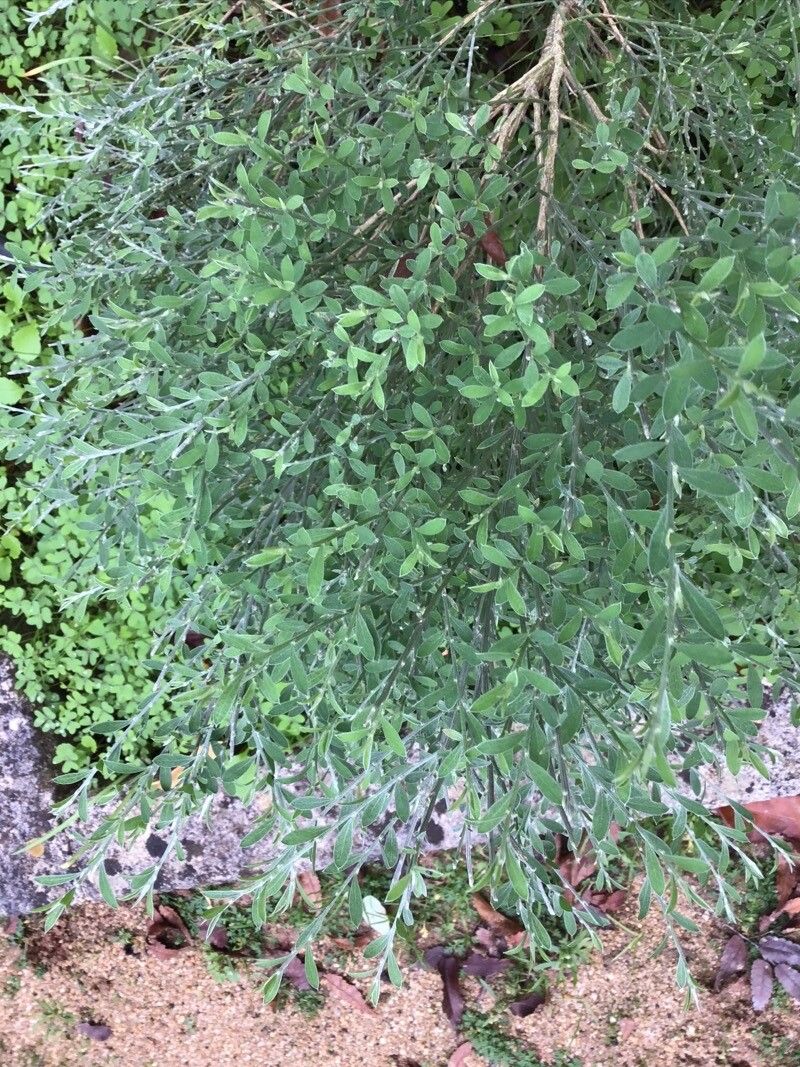
Hello, fellow garden enthusiasts! It’s so good to have you here today. I’ve been nurturing plants for two decades now, and with every new bloom and successful propagation, my love for this hobby just deepens. Today, we’re going to talk about a particular gem: Genista maderensis, Madeira broom.
Its cascading sprays of sunshine-yellow flowers are simply breathtaking, especially when they perfume the air with a sweet, honey-like scent. Growing your own from cuttings or seeds is incredibly rewarding. You get to witness life begin, and then you have a whole new plant to admire or share! Now, is Genista maderensis a walk in the park for a beginner? Honestly, it can be a little bit finicky, but with a bit of care and patience, you’ll be well on your way to success.
The Best Time to Start
For the best chance of success with Genista maderensis, I find late spring to early summer is your sweet spot. This is when the plant is actively growing and has plenty of energy to put into rooting. You’re looking for stems that are somewhat mature but not woody – think of them as being in that “green but firm” stage. Avoid taking cuttings from flowering stems; let the plant focus on those beautiful blooms!
Supplies You’ll Need
Before we get our hands dirty, let’s make sure we have everything ready. It’s always better to be prepared!
- Sharp, clean pruning shears or a sharp knife: Essential for making clean cuts that heal better.
- Rooting hormone (optional but recommended): A little boost can really help those stubborn cuttings. Look for one formulated for woody plants.
- An airy, well-draining potting mix: A 50/50 blend of perlite and peat moss or coir works wonderfully. You can also buy specialized propagation mixes.
- Small pots or trays with drainage holes: Clean pots are a must to prevent disease.
- A clear plastic bag or propagation dome: To create a humid microclimate.
- A watering can or spray bottle: For gentle watering.
- A small trowel or dibber (optional): For making planting holes.
Propagation Methods
Genista maderensis is most commonly propagated by stem cuttings. While you can sometimes find seeds, they can be notoriously difficult to germinate. Let’s focus on the cuttings method, which I find is far more reliable for home gardeners.
Stem Cuttings:
- Take your cuttings: Select healthy, non-flowering stems that are about 4-6 inches long. Using your clean shears, make a cut just below a leaf node. A leaf node is where a leaf joins the stem. This is where the magic for rooting happens!
- Prepare the cuttings: Gently remove the lower leaves from your cuttings, leaving just 2-3 leaves at the top. If your cuttings have large leaves, you can even cut those large leaves in half horizontally. This reduces water loss through transpiration.
- Apply rooting hormone: Dip the cut end of each cutting into your rooting hormone, tapping off any excess.
- Plant the cuttings: Fill your pots or trays with your well-draining potting mix. Use your trowel or dibber to make a hole in the center of each pot, deep enough to accommodate the leafless part of your cutting. Carefully insert the cutting into the hole and gently firm the soil around it.
- Water gently: Water your cuttings thoroughly but gently, ensuring the soil is moist but not waterlogged.
- Create humidity: Cover each pot with a clear plastic bag, securing it with a rubber band, or place them under a propagation dome. This will create a humid environment that helps prevent the cuttings from drying out while they root.
- Provide light and warmth: Place your cuttings in a bright location with indirect sunlight. Avoid direct sun, as it can scorch the delicate cuttings. If you have a heat mat, placing the pots on it can significantly speed up the rooting process.
The “Secret Sauce” (Pro Tips)
Over the years, I’ve learned a few tricks that make a difference.
- Don’t let the leaves touch the water: If you decide to try water propagation (which is less common for Genista maderensis but can sometimes work), make sure that no leaves are submerged. Any leaves below the waterline will rot and can infect the entire cutting.
- Bottom heat is your friend: As I mentioned, a bit of gentle warmth from below (around 70-75°F or 21-24°C) from a heat mat can really encourage root development. Plants just seem to respond so positively!
- When in doubt, take more cuttings: Not every cutting will take, and that’s okay! It’s much better to have extra cuttings that you’ve lovingly prepared, giving you more chances for success.
Aftercare & Troubleshooting
Once you start seeing new leaf growth on your cuttings (this can take several weeks to a couple of months), that’s a good sign that roots are forming! You can gently tug on a cutting; if you feel resistance, it’s rooted.
Continue to keep the soil moist and the humidity high for a while longer. Gradually acclimate your new plants to normal room humidity by opening the plastic bag or dome a little more each day over a week or so. Once they are fully weaned off the cover, you can treat them as young plants. Water them when the top inch of soil feels dry.
What about problems? The most common issue is rot. If your cuttings turn mushy or black, it’s usually a sign of too much moisture and poor air circulation. This is why a well-draining mix and good airflow are so crucial. If you see signs of rot, unfortunately, that cutting is likely lost.
A Little Patience Goes a Long Way
Propagating plants is a journey, and Genista maderensis might ask for a little extra patience from you. Don’t get discouraged if some cuttings don’t make it. Celebrate the ones that do, and appreciate the process of nurturing new life. Happy gardening!
Resource: