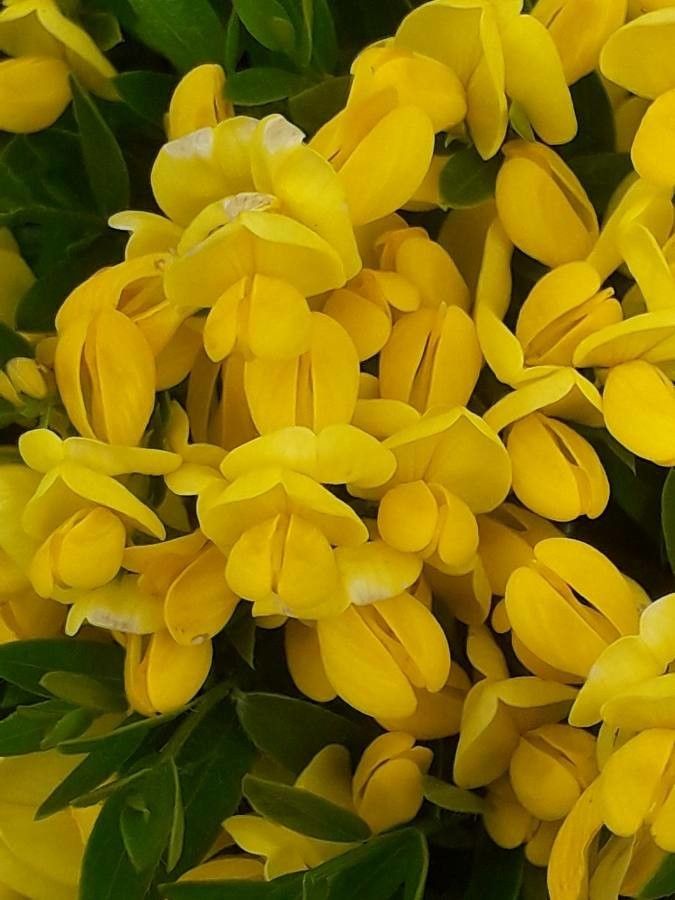
Oh, hello there! I’m so glad you’ve stopped by. Today, we’re going to dive into the wonderful world of Genista carinalis, also known as Corsican broom. If you’re drawn to those delightful sprays of golden flowers and the gentle, uplifting scent they bring to the garden, then you’re in for a treat. Propagating these beauties is a fantastic way to fill your space with their sunshine, and honestly, it’s a wonderfully rewarding process. While some plants can be a bit finicky, I find Genista carinalis to be quite cooperative. It’s a great plant for those who are new to propagating, or for seasoned gardeners looking to expand their collection without breaking the bank.
The Best Time to Start
When it comes to giving your new Genista carinalis the best start in life, late spring to early summer is your sweet spot. This is when the plant is actively growing and has plenty of young, pliable stems to work with. Waiting until after the main flowering flush has finished is ideal. You want stems that are semi-hard – not brand new and soft, but not yet woody and old. This happy medium gives them the best chance to root.
Supplies You’ll Need
Gathering your tools before you begin makes the whole process so much smoother. Here’s what I always have on hand:
- Sharp Pruning Shears or a Craft Knife: For clean cuts that heal well.
- Rooting Hormone: A powdered or liquid form to encourage root development.
- Well-Draining Potting Mix: A good blend of peat moss or coco coir, perlite, and a little bit of sand works beautifully. You want something airy that won’t hold too much moisture.
- Small Pots or Seed Trays: Clean ones are a must!
- Plastic Bags or a Propagator: To create a humid environment.
- Watering Can with a Fine Rose: For gentle watering.
- Labels and a Marker: To keep track of your cuttings.
Propagation Methods
For Genista carinalis, I find stem cuttings to be the most effective and straightforward method.
- Take Your Cuttings: Look for healthy, non-flowering stems that are pencil-thick and about 4-6 inches long. Using your sharp pruning shears or knife, take a clean cut just below a leaf node (where a leaf meets the stem). This is where roots tend to form most readily.
- Prepare the Cuttings: Gently remove the lower leaves from your cuttings, leaving just a few sets at the top. This prevents them from rotting in the soil and reduces water loss. If your cuttings are longer, you can even take them in half by cutting them at the midpoint, keeping the nodes at both ends.
- Apply Rooting Hormone: Dip the cut end of each stem into your rooting hormone, tapping off any excess.
- Pot Up: Fill your small pots with your prepared, well-draining potting mix. Make a hole in the center of the soil with a pencil or your finger.
- Insert Cuttings: Gently insert the prepared cuttings into the holes, ensuring the nodes where you removed the leaves are below the soil surface. Firm the soil around them gently. You can usually fit 3-4 cuttings per small pot.
- Water Gently: Give your newly potted cuttings a good, gentle watering until the soil is evenly moist.
- Create Humidity: Cover the pots with a plastic bag or place them in a propagator. This high humidity is crucial for preventing the cuttings from drying out before they can develop roots. Make sure the leaves don’t touch the plastic; if they do, you can use small stakes to support the bag.
The “Secret Sauce” (Pro Tips)
Here are a few little tricks I’ve learned over the years that really boost success with cuttings like these:
- Bottom Heat is Your Friend: If you can, place your pots on a heated propagator mat. This gentle warmth from below encourages root formation much faster than ambient room temperature alone. It makes a noticeable difference!
- Don’t Skimp on the Light (But Be Gentle): Place your cuttings in a bright location, but avoid direct, scorching sunlight. A bright windowsill that doesn’t get intense midday sun is perfect. Too much sun and they’ll dry out before they root.
- Observe, Don’t Disturb (Too Much): Resist the urge to constantly pull cuttings out to check for roots. This can damage delicate new growth. You’ll usually see new leafy growth emerging from the top, which is a good sign that roots are forming.
Aftercare & Troubleshooting
Once your Genista carinalis cuttings have rooted (this can take anywhere from 4 to 8 weeks, sometimes longer!), it’s time for a little adjustment.
- Gradual Acclimation: If you’ve used a plastic bag, gradually remove it over a few days. Start by opening it up for a few hours each day, then remove it completely.
- First Potting Up: Once you see healthy new growth and have a good network of roots (you might see them peeking out of the drainage holes), it’s time to pot them up into individual, slightly larger pots. Use a similar well-draining potting mix.
- Watering: Water them thoroughly after potting up, and then allow the top inch of soil to dry out a bit between waterings. They don’t like to sit in soggy conditions.
- Troubleshooting – Rot: The most common issue is rot. If you see your cuttings turning black and mushy, it’s usually a sign of too much moisture and not enough air circulation. Ensure your soil is very free-draining, and avoid overwatering. Dampen the soil, don’t soak it, until roots are established. If a cutting shows signs of rot, remove it immediately to prevent it from spreading.
A Little Encouragement
And there you have it! Propagating Genista carinalis is a journey of patience and observation. Don’t be discouraged if every single cutting doesn’t make it; that’s perfectly normal. Celebrate the ones that do, and learn from any that don’t. Enjoy the process of nurturing new life, and soon you’ll have a beautiful garden filled with your own sunshine-yellow blooms. Happy gardening!
Resource:
https://identify.plantnet.org/k-world-flora/species/Genista%20carinalis%20Griseb./data