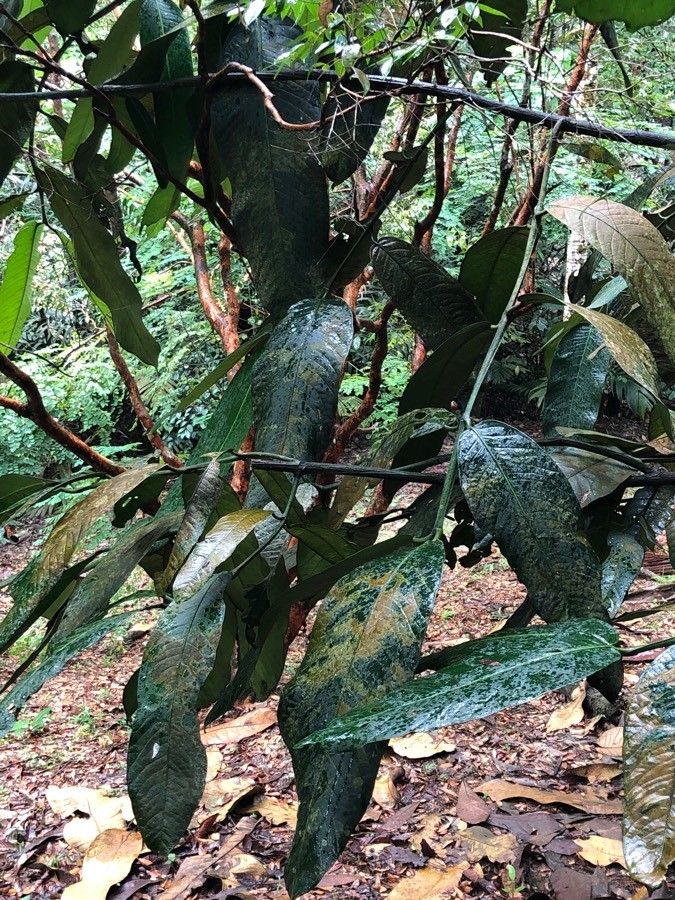
Welcome, fellow plant lovers!
Today, we’re diving into the wonderful world of Garcinia nervosa, a truly special plant that brings a touch of the tropics right into our homes. You might know it for its beautiful, glossy foliage and the promise of tantalizing fruit – although, let’s be honest, getting it to fruit is a whole other adventure! But the joy of watching a tiny cutting transform into a thriving plant? That’s a reward all its own. Now, is Garcinia nervosa the easiest plant to propagate? For absolute beginners, it might present a few gentle challenges, but with a little know-how and patience, I promise you’ll find it incredibly rewarding.
When the Magic Happens: The Best Time to Start
For the highest success rates with Garcinia nervosa, late spring to early summer is your prime window. This is when the plant is actively growing, and the stems are full of vigor. You’re looking for semi-hardwood cuttings, which are those that are neither brand new and soft nor old and woody. They should snap cleanly when bent, rather than just bend over.
Your Propagation Toolkit
Gathering your supplies before you begin is key to a smooth process. Here’s what you’ll likely need:
- Sharp, clean pruning shears or a razor blade: Essential for making clean cuts.
- Rooting hormone (powder or gel): This is a real game-changer for encouraging root development. Look for one formulated for hardwood or semi-hardwood cuttings.
- Well-draining potting mix: A good blend is one part peat moss or coco coir to one part perlite or coarse sand. You can also use a commercial seed-starting mix.
- Small pots or trays with drainage holes: Terracotta pots are great because they breathe.
- Plastic bags or a propagation dome: To create a humid environment around your cuttings.
- Water: For misting and, potentially, water propagation.
- Patience: The most important tool of all!
Unlocking New Life: Propagation Methods
There are a couple of ways we can coax new Garcinia nervosa plants into existence.
Stem Cuttings (My Preferred Method!)
This is generally the most reliable way to go for Garcinia nervosa.
- Select your cutting: Find a healthy stem and cut a piece about 4-6 inches long. Make your cut just below a leaf node (where a leaf is attached to the stem) – this is where roots love to form. Remove any flowers or developing fruit.
- Prepare the cutting: Strip off the bottom leaves, leaving just two or three at the top. This helps the cutting direct its energy towards root formation.
- Apply rooting hormone: Dip the cut end of the stem into your rooting hormone, tapping off any excess.
- Plant your cutting: Fill your small pots with your prepared potting mix. Make a hole in the center with a pencil or your finger and carefully insert the cutting. Firm the soil gently around the base.
- Create humidity: Water the soil lightly so it’s moist but not soggy. Then, cover the pot with a clear plastic bag or place it under a propagation dome. Secure the bag so it doesn’t touch the leaves too much.
Water Propagation (A Visual Treat)
While I find stem cuttings more robust, water propagation can be a fun way to watch root development.
- Take your cutting: Follow steps 1 and 2 from the stem cutting method.
- Place in water: Plunge the cut end into a clean jar or glass of water. Crucially, make sure no leaves are submerged. They will rot quickly in water.
- Find a good spot: Place the jar in a bright location, out of direct sunlight.
The “Secret Sauce”: My Insider Tips
After years of wrestling with stubborn cuttings, a few things have become my go-to for a better chance of success.
- Bottom Heat is Your Friend: If you can, place your pots on a heat mat designed for plant propagation. This gentle warmth from below encourages root formation much faster than ambient room temperature.
- Don’t Drown Your Dreams (and Cuttings!): When using the stem cutting method, never let the soil become waterlogged. A consistently moist, but not soggy, environment is what you’re aiming for. Too much water and you risk root rot, which is a swift end to your propagation efforts.
- A Little Air Circulation Goes a Long Way: Even though you want humidity, occasionally lift the plastic bag or open the dome for a few minutes each day. This helps prevent fungal issues and encourages the leaves to breathe.
Nurturing Your New Sprouts
Once you see roots developing – and this can take several weeks, so be patient! – it’s time to transition your new Garcinia nervosa.
- For cuttings grown in water: You’ll see roots emerging from the cut end. Once the roots are about an inch long, you can carefully transplant them into pots filled with your well-draining potting mix. Water thoroughly and then maintain consistent moisture.
- For cuttings grown in soil: You’ll know they’ve rooted when they start to put out new leaf growth. You can gently tug on the cutting; if it resists, it has roots. Gradually acclimatize it to lower humidity by slowly opening up the plastic bag or dome over a week or two.
Troubleshooting: The most common issue you’ll face is rot. If your cuttings look black and mushy at the base, or if the leaves are yellowing and dropping rapidly without any sign of new growth, rot is likely the culprit. This is usually due to overwatering or poor air circulation. If you catch it early, you might be able to salvage a healthy part of the stem.
A Gardener’s Reward
Propagating Garcinia nervosa is a journey. There will be times when some cuttings don’t make it, and that’s perfectly okay. Every gardener experiences this! Celebrate the ones that do take, and learn from the ones that don’t. The satisfaction of watching a tiny piece of a plant grow into something substantial is truly special. So, grab your shears, get your hands dirty, and enjoy the slow, rewarding process of breathing new life into your garden. Happy propagating!
Resource:
https://identify.plantnet.org/k-world-flora/species/Garcinia%20nervosa%20(Miq.)%20Miq./data