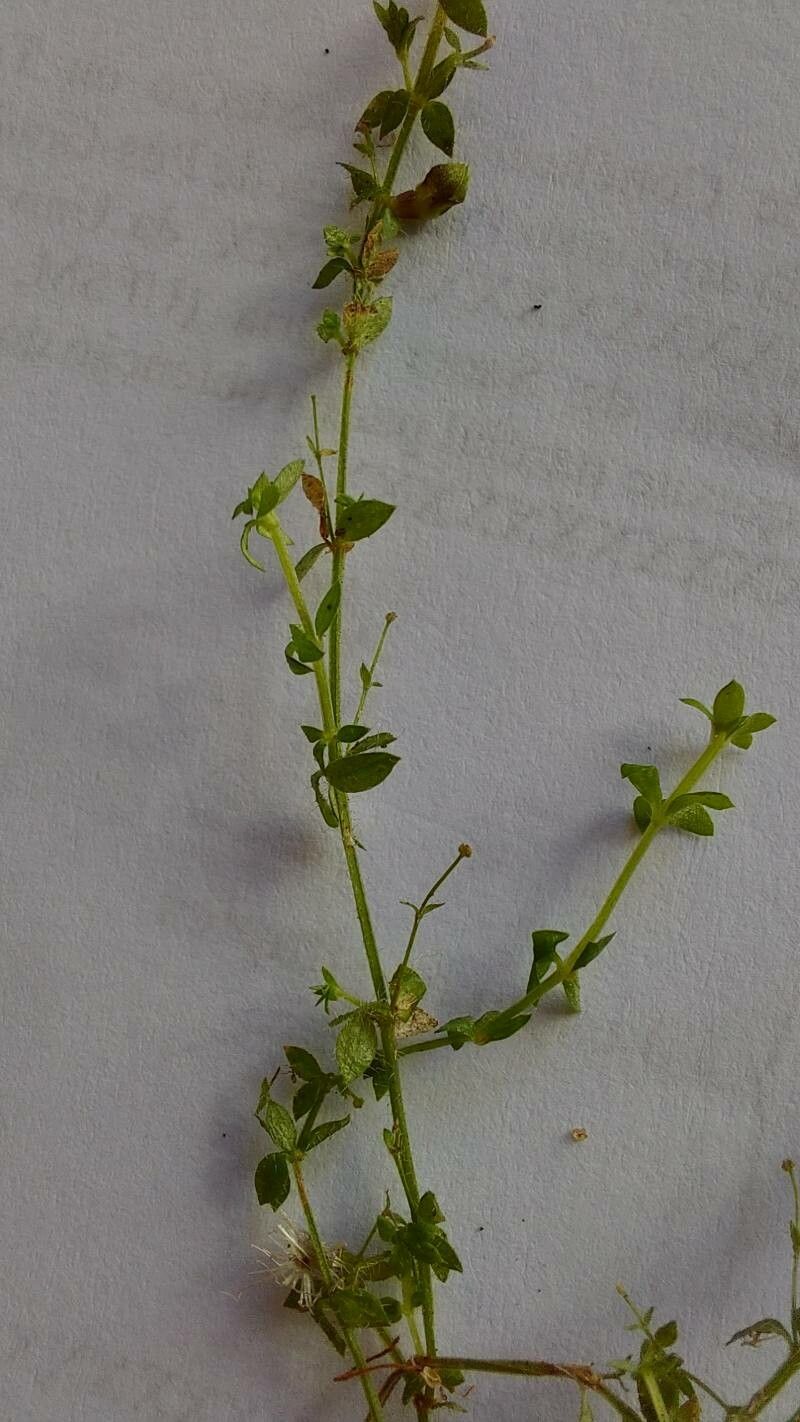
Hello, fellow plant enthusiasts! I’m so excited to chat with you today about a little gem of a plant called Galium humile, commonly known as dwarf bedstraw. If you’re a fan of delicate, creeping groundcovers that spill beautifully over rocks or nestle into the nooks of your garden, you’ll absolutely adore this one. Its tiny, star-shaped white flowers bring such a sweet, understated charm, perfect for adding a touch of ethereal beauty to those often-neglected spots. And the best part? Propagating it yourself is incredibly rewarding, and I’m happy to report that for the most part, Galium humile is quite forgiving, making it a lovely choice even if you’re just starting to explore the world of plant propagation.
The Best Time to Start
My favorite time to get started with propagating Galium humile is in the late spring or early summer, right as the plant is in its active growing phase. This is when it has plenty of energy to put into producing new roots. You’ll see fresh, vigorous growth, and that’s exactly what we want to work with. Waiting until after it has finished its main flush of blooming is also a good gambit, but I find the earlier you can get those cuttings going, the better the success rate.
Supplies You’ll Need
Here’s a look at what you’ll want to have on hand before we get our hands dirty:
- Sharp Pruning Shears or a Craft Knife: Clean cuts are crucial. For this delicate plant, a small, sharp pair of secateurs or even a craft knife works beautifully.
- Small Pots or Seed Trays: Think 2-3 inch pots. Nothing too large, as Galium humile prefers to be a bit snug.
- Propagation Potting Mix: A light, airy mix is key. I usually blend 50% perlite and 50% peat moss or coco coir. This ensures excellent drainage, which is vital.
- Rooting Hormone (Optional but Recommended): While Galium humile can root without it, a rooting hormone powder or gel will significantly boost your success and speed up the process.
- Watering Can or Spray Bottle: For gentle hydration.
- Clear Plastic Bags or Domes: To create a humid environment for your cuttings.
- Labels and a Marker: So you don’t forget what you planted where!
Propagation Methods
For Galium humile, the easiest and most successful method for me has always been stem cuttings. It’s straightforward and yields great results.
Stem Cuttings:
- Select Your Cuttings: Look for healthy, non-flowering stems that are about 3-4 inches long. Gently snip them off your parent plant using your clean shears or knife. Try to take them from the tips of the stems.
- Prepare the Cuttings: Carefully remove the lower leaves from the bottom inch or so of each cutting. If you find any flower buds, pinch them off now. This encourages the plant to focus its energy on rooting, not flowering.
- Apply Rooting Hormone (Optional): Dip the cut end of each stem into your rooting hormone, tapping off any excess.
- Plant the Cuttings: Fill your small pots with your propagation mix. Make a small hole in the center of the mix with your finger or a pencil. Insert the cut end of the Galium humile cutting into the hole, ensuring at least one leaf node (where leaves emerge from the stem) is below the soil surface. Gently firm the soil around the stem.
- Water Gently: Water the soil thoroughly but gently. You want it moist, not waterlogged. A spray bottle is excellent for this initial watering.
- Create Humidity: Now, we want to create a mini greenhouse effect. Cover each pot with a clear plastic bag (making sure the leaves don’t touch the sides) or place them under a clear plastic dome. This traps moisture and prevents the cuttings from drying out while they root.
- Provide Light and Warmth: Place your pots in a bright spot that gets indirect sunlight. Avoid direct sun, which can scorch the delicate cuttings. A bit of warmth from below (like a heat mat set to a low temperature) can really speed things along, but it’s not strictly necessary.
The “Secret Sauce” (Pro Tips)
After years of coaxing plants to multiply, I’ve picked up a few little tricks that make a world of difference.
- Don’t Let the Leaves Touch the Water: If you ever try water propagation for other plants (or even if a leaf accidentally dips into the soil of your cuttings), make sure those leaves are always above the water line. Rot sets in surprisingly fast on submerged foliage.
- Bottom Heat is Your Friend: Seriously, a little gentle warmth from below can dramatically speed up root formation. It mimics that cozy spring soil temperature and gives your cuttings a serious boost.
- Be Patient with the Pinch: If you forget to pinch off flower buds, don’t beat yourself up. Just gently remove them as soon as you notice them. The plant is trying its best, and a little nudge in the right direction goes a long way.
Aftercare & Troubleshooting
Once you see new growth emerging from your cuttings, that’s a great sign! It means roots are forming. You can gently tug on a cutting; if there’s resistance, you’ve got roots!
- Gradually Acclimate: Once you see roots, begin to gradually acclimate your new plants to normal humidity. Start by taking off the plastic bag for an hour or two each day, slowly increasing the time until they are fully exposed.
- Transplant Carefully: When your new Galium humile plants are well-rooted and have developed a good bit of top growth, you can transplant them into slightly larger pots or directly into their garden spots. Handle them gently to avoid damaging those precious new roots.
- Signs of Trouble: The most common issue you’ll face is rot. If your cuttings turn black and mushy, it’s usually a sign of too much moisture and not enough air circulation. Make sure your soil mix is well-draining and don’t overwater. If you see fungus gnats, that’s usually an indicator that the soil is staying too wet for too long.
So there you have it! Propagating Galium humile is a wonderful way to expand your collection of these delightful little plants or to share their charm with others. Don’t be discouraged if not every cutting makes it – that’s just part of the gardening adventure. Be patient, enjoy the process, and before you know it, you’ll have a whole patch of dwarf bedstraw to admire. Happy propagating!
Resource:
https://identify.plantnet.org/k-world-flora/species/Galium%20humile%20Cham.%20&%20Schltdl./data