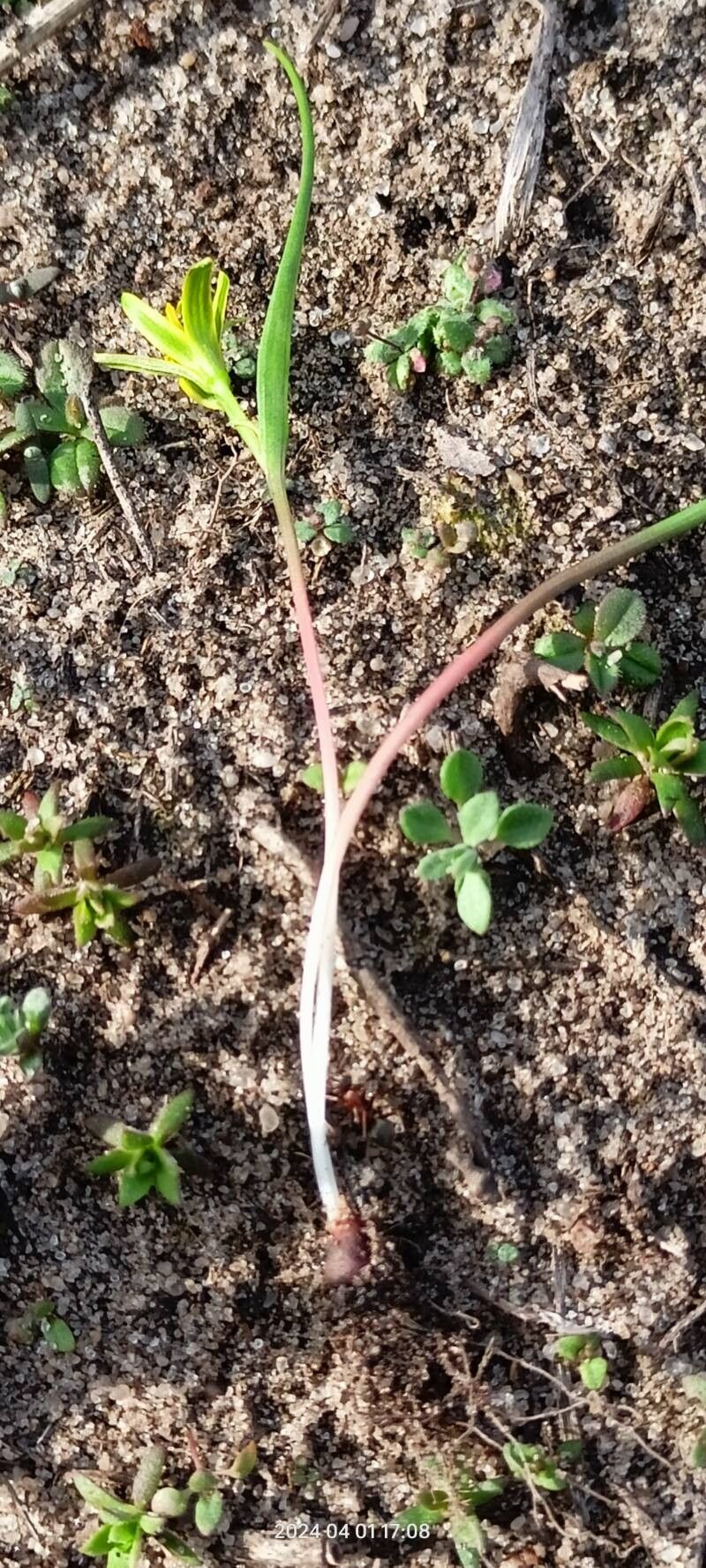
Hello, fellow garden enthusiasts! It’s so lovely to sit down with you and chat about a truly delightful bulb for our spring gardens: Gagea pratensis. If you haven’t met it, imagine a charming cluster of dainty, star-shaped yellow flowers, peeking out early in the spring. They’re like little rays of sunshine after a long winter, and the reward of seeing them multiply in your own garden is such a joy.
Now, about propagating Gagea pratensis: I’d say it’s a moderately easy task. It’s not quite as simple as snipping a readily rooting geranium, but for those willing to put in a little effort, you’ll be very successful. The main challenge comes from understanding its life cycle, but once you grasp that, you’re golden!
The Best Time to Start
For Gagea pratensis, the absolute sweet spot for propagation is right after flowering, as the foliage begins to yellow and die back. This is typically in late spring to early summer. The plant is storing energy in its bulb for next year, and it’s at this stage that you’ll find it easiest to work with its natural reproductive structures. Trying to catch it mid-bloom or when it’s fully dormant can be a bit trickier.
Supplies You’ll Need
Here’s a little kit to get you started:
- Trowel or hand spade: For gently unearthing bulbs.
- Sharp, clean knife or pruning shears: To separate bulbs if needed. Sterilize them first!
- Well-draining potting mix: I love a blend of good quality potting soil mixed with perlite or coarse sand for extra drainage. About a 3:1 ratio works wonders.
- Small pots or trays: For replanting your new divisions. Make sure they have drainage holes.
- Labels and a marker: Because let’s be honest, we all forget what we planted where!
- Watering can or spray bottle: For gentle watering.
Propagation Methods
Gagea pratensis primarily propagates itself by forming offsets, which are essentially baby bulbs that grow alongside the parent bulb. So, our main method will be division.
- Gentle Excavation: Using your trowel, carefully dig around the clump of Gagea pratensis that has just finished flowering. The goal is to lift the entire clump with as little disturbance to the bulbs as possible. Avoid just yanking it out!
- Shake Off Excess Soil: Once you’ve got your clump, gently shake off most of the soil. This will reveal the bulbs underneath. You’ll likely see the main bulb and then smaller offsets attached.
- Separating the Offsets: Now, take your sterilized knife. Carefully cut or gently pull apart the smaller offset bulbs from the parent bulb. If an offset has a bit of root still attached, that’s fantastic! If not, don’t worry, it will grow new roots. Aim to leave a small bit of the parent bulb tissue attached to the offset if you can, but natural separation is usually fine.
- Curing (Optional but Recommended): For a day or two, you can let the separated bulbs sit in a cool, dry, well-ventilated spot. This allows any cut surfaces to dry and callus over, which can help prevent rot when replanting.
- Replanting: Fill your small pots or trays with your well-draining potting mix. Plant each offset bulb about 1-2 inches deep, making sure the pointed end faces upwards. Give them a little space if you’re planting multiples in a tray.
- Watering In: Water gently so you don’t disturb the bulbs.
The “Secret Sauce” (Pro Tips)
I’ve learned a few things over the years that make a difference, and I’m happy to share them!
- Don’t Rush the Foliage: It’s tempting to tidy up those dying leaves, but the plant is still drawing energy from them. Wait until they are truly yellow and withered before you dig. This means the bulb has finished its job for the season and is ready to be divided.
- Think Airflow: When you plant your divisions, whether in pots or back in the ground (if you’re replanting immediately), ensure there’s good airflow. Avoid overcrowding your pots. This helps prevent fungal issues, which can be a bulb’s worst enemy.
- Label Meticulously: I know I mentioned it in the supplies, but seriously! When you’re dividing, you might be planting a mix of bulbs, and future-you will thank past-you for knowing exactly which plant is where and when you propagated it. This is especially handy if you decide to try propagating other bulb varieties.
Aftercare & Troubleshooting
Once your little offset bulbs are nestled in their new pots, water them gently. Keep the pots in a cool, shaded location for a few weeks. You don’t want them to dry out completely, but you also don’t want them baking in the sun.
You should start to see new growth emerge in the fall or, more likely, in the spring. If you notice mushy, brown bulbs, that’s a sign of rot. This is usually due to overwatering or poor drainage. The best course of action is to dig them up, discard any rotted bulbs, and replant the healthy ones in fresh, dry, well-draining soil. Sometimes, a bit of fungicide can help if you catch it early, but prevention by using the right soil and watering techniques is key.
A Encouraging Closing
Propagating plants is such a rewarding way to connect with nature and expand your garden space without spending a fortune. Be patient with your Gagea pratensis divisions. They are little miracles in the making, and with a bit of care, you’ll soon have even more of those cheerful yellow stars gracing your garden. Happy planting!
Resource:
https://identify.plantnet.org/k-world-flora/species/Gagea%20pratensis%20(Pers.)%20Dumort./data