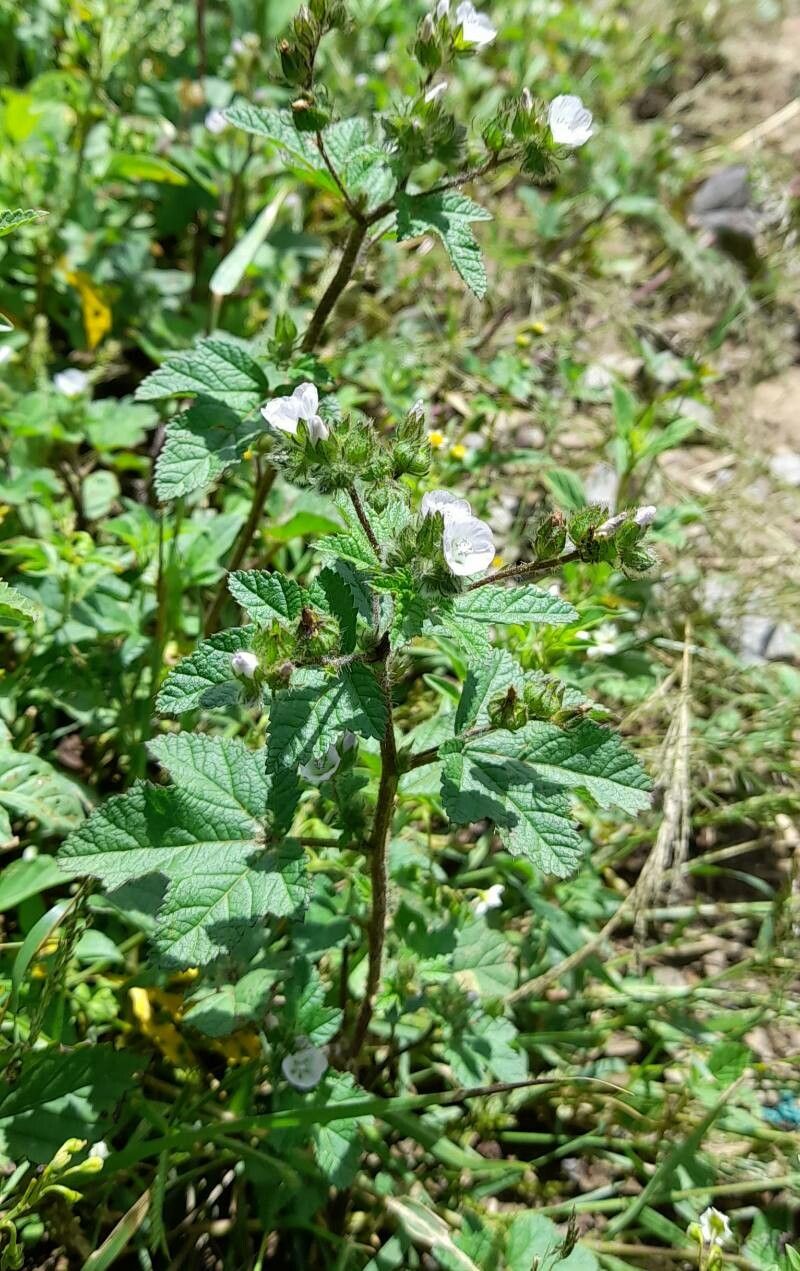
Hello there, fellow garden enthusiasts! I’m so happy you’re here. Today, we’re diving into the delightful world of Fuertesimalva echinata, a plant that truly brings a splash of vibrant life to any corner of the garden. With its delicate, often ruffled blooms and charming habit, it’s a joy to behold. And the even better news? Propagating it is a deeply rewarding experience, a chance to share its beauty and fill your garden (or a friend’s!) with more of these beauties. While I wouldn’t call it a beginner’s “walk in the park,” with a little mindful attention, even those newer to propagation can achieve fantastic results.
The Best Time to Start
For Fuertesimalva echinata, I find that late spring to early summer is your golden window. This is when the plant is actively growing and has a good amount of firm, yet not woody, new growth. Think of it as the plant being in its prime – full of energy and ready to embark on new adventures, just like your cuttings! Waiting until after the initial flush of spring growth has matured a bit will give you the best chance for strong, healthy success.
Supplies You’ll Need
Gathering your tools beforehand makes the whole process smoother. Here’s what I always have on hand:
- Sharp, clean pruning shears or a sharp knife: Essential for making clean cuts.
- Rooting hormone powder or gel: This is a great booster, though not always strictly necessary. I like to have it handy!
- A well-draining potting mix: A blend of equal parts peat moss or coco coir and perlite or coarse sand works wonderfully. You want good aeration.
- Small pots or seedling trays: Clean ones, of course!
- Plastic bags or a propagation dome: To create a humid environment.
- Labels and a permanent marker: So you don’t forget what’s what!
- Optional: A heat mat: This can significantly speed up rooting, especially if your home is on the cooler side.
Propagation Methods
Fuertesimalva echinata is wonderfully amenable to propagation from stem cuttings. It’s my go-to method, and I think you’ll find it quite straightforward.
- Taking the Cuttings: Select healthy stems that are a few inches long. Look for non-flowering, firm green stems. Using your clean shears or knife, make a clean cut just below a leaf node (where the leaf attaches to the stem). You want cuttings that are around 4-6 inches long.
- Preparing the Cuttings: Gently remove the lower leaves from the cutting. Leave just a few leaves at the top to help with photosynthesis. If the remaining leaves are very large, you can trim them in half to reduce water loss.
- Applying Rooting Hormone (Optional but Recommended): Dip the cut end of the stem into your rooting hormone, tapping off any excess. This gives your cutting a real head start.
- Planting the Cuttings: Fill your clean pots with your moistened, well-draining potting mix. Make a small hole in the center of the mix with your finger or a pencil. Insert the cutting into the hole, making sure the leaf nodes are covered by the soil. Gently firm the soil around the base of the cutting.
- Creating a Humid Environment: Water the soil gently. Then, either cover the pot with a plastic bag (making sure the bag doesn’t touch the leaves) or place it inside a propagation dome. This humidity is key to preventing the cuttings from drying out before they can form roots.
The “Secret Sauce” (Pro Tips)
Over the years, I’ve learned a few little tricks that seem to make a big difference:
- Bottom Heat is Your Friend: If you have a heat mat, placing your pots on it can truly accelerate root development. It mimics the warmth of the soil in spring and gives those root cells a real nudge. Just make sure the temperature isn’t too high – a gentle warmth is perfect.
- Don’t Drown Them: When watering your initial cuttings, make sure the soil is evenly moist but not waterlogged. Overwatering is one of the quickest ways to invite rot. It’s better to err on the side of slightly too dry than too wet.
- Patience is a Virtue (and a Practicality): Fuertesimalva echinata can be a bit of a slow starter when it comes to rooting. Don’t be discouraged if you don’t see immediate new growth. I often leave my cuttings undisturbed for 4-6 weeks, sometimes even longer, before I start to worry.
Aftercare & Troubleshooting
Once you spot new growth or feel a gentle tug when you lightly tug on a cutting (a sign of roots!), your Fuertesimalva echinata is on its way! This is when you can start to gradually acclimate them to lower humidity.
- Increase Ventilation: If using a plastic bag, start by opening it for a few hours each day. If using a dome, lift the lid intermittently. The goal is to slowly transition them out of that super-humid environment.
- Watering: Continue to water when the top inch of soil feels dry. As the plant grows, you can water more thoroughly, but always ensure good drainage.
- Light: Place your newly rooted cuttings in bright, indirect light. Avoid harsh, direct sun, which can scorch young foliage.
Now, what if things aren’t going as planned? The most common issue is rot. If your cutting turns black and mushy, or if the leaves start to wilt dramatically and feel slimy, it’s likely rot. This usually points to too much moisture and not enough air circulation. If you see this, it’s best to discard the affected cutting to prevent it from spreading to others, and reassess your watering and humidity levels. Another sign of trouble is a cutting that just looks sad and doesn’t show any signs of life after several weeks – sometimes, they just don’t take, and that’s okay!
A Warm Hug From Your Garden
There you have it! Propagating Fuertesimalva echinata is a beautiful way to deepen your connection with your plants and multiply the joy they bring. Don’t be afraid to experiment, and remember that every gardener has had cuttings that didn’t make it. The key is to learn from each attempt, be patient, and most importantly, enjoy the process. Happy propagating, and may your garden flourish!
Resource: