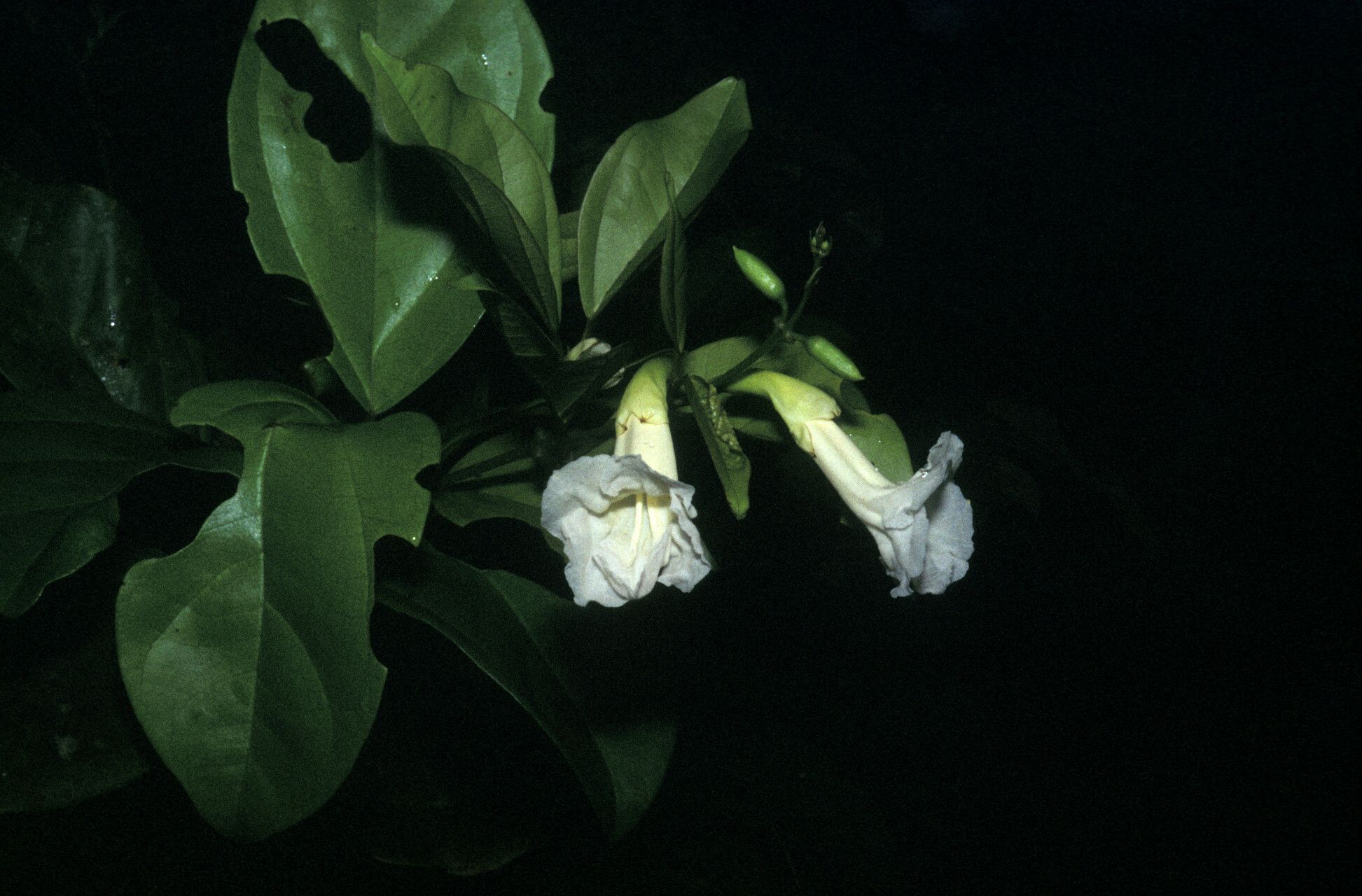
Ah, Fridericia japurensis! Isn’t she a beauty? Those cascades of trumpet-shaped blooms, often a vibrant pink or purple, just steal the show. Growing her is a joy, and propagating her yourself? That’s double the joy, truly. You get to share her charm with friends, or just have more of that gorgeousness for yourself.
Now, is she a beginner’s dream or a seasoned pro’s challenge? I’d say Fridericia japurensis is wonderfully rewarding, and happily, not overly tricky to propagate. With a little care and the right approach, you’ll have little babies popping up before you know it.
The Best Time to Start
When it comes to getting the best results, I always lean towards the late spring or early summer. This is when the plant is hitting its stride, actively growing and full of vigor. Softwood cuttings taken during this period tend to root more readily than those taken from older, woodier stems. Think of it as catching your plant at its most energetic!
Supplies You’ll Need
Gathering your tools before you begin makes the whole process so much smoother. Here’s what I usually have on hand:
- Sharp, clean pruning shears or a sharp knife: Cleanliness is key to preventing disease.
- Rooting hormone (optional, but helpful): A little boost can speed things up. I like the powder form.
- Potting mix: A light, well-draining mix is crucial. A blend of peat moss or coco coir with perlite or vermiculite works beautifully. You can even buy specific seedling or cutting mixes.
- Small pots or trays: Clean pots with drainage holes are a must.
- Plastic bags or a propagator: To create a humid environment.
- Watering can with a fine rose: For gentle watering.
Propagation Methods
I find that stem cuttings are the most reliable and rewarding way to propagate Fridericia japurensis. Here’s how I do it:
- Take Your Cuttings: Select a healthy, actively growing stem. Look for sections that are firm but not yet woody. Using your clean shears, make a cut just below a leaf node (where a leaf attaches to the stem). Your cuttings should be about 4-6 inches long. Remove the lower leaves, leaving just a few at the top.
- Prepare the Cutting: If you’re using rooting hormone, dip the cut end into the powder, tapping off any excess.
- Plant Your Cuttings: Fill your small pots with your prepared potting mix. Make a hole in the center with your finger or a pencil. Gently insert the cut end of the stem into the hole, ensuring the nodes where you removed leaves are below the soil surface. Firm the soil gently around the cutting.
- Create Humidity: Water the soil gently. Then, cover the pot with a clear plastic bag, securing it around the rim with a rubber band, or place the pot inside a propagator. This creates a mini-greenhouse to keep the humidity high.
- Find a Bright Spot: Place your pots in a bright spot but out of direct sunlight. Too much sun will scorch the delicate cuttings.
The “Secret Sauce” (Pro Tips)
Now, for a few little tricks I’ve picked up over the years that can really make a difference:
- Don’t Let Leaves Touch the Water (if water propagating): While I prefer soil for Fridericia japurensis, if you do try water propagation, make sure the leaves are well above the water level. Leaves submerged in water tend to rot quickly, which can spell disaster for your cutting before it even has a chance to root.
- Bottom Heat is Your Friend: If you have a heat mat, placing your pots on it can significantly speed up root development. It mimics the warmth of spring soil and gives those roots a real nudge. Just a gentle warmth is all they need!
- Be Patient with Hardening Off: When you see good root growth and new leaves developing (a sign they’re happy!), don’t immediately remove the plastic bag or open the propagator fully. Gradually increase the ventilation over a week or so. This “hardening off” process helps the new plants adjust to the outside air and prevents shock and wilting.
Aftercare & Troubleshooting
Once you start to see tiny new leaves emerging or feel a gentle tug when you lightly wiggle the cutting, congratulations! You have roots! Keep the soil consistently moist but not waterlogged. Continue to keep them in bright, indirect light. When they’re robust enough to handle it, you can transplant them into slightly larger pots.
What if things go wrong? The most common sign of trouble is wilting and a black, mushy stem, often at the soil line. This is usually a sign of rot, typically caused by overwatering or a mix that doesn’t drain well. If you see this, it’s often best to discard the affected cutting and try again, ensuring your soil is much freer draining and you’re not keeping it too soggy.
A Encouraging Closing
Propagating plants is a beautiful dance with nature, and sometimes it takes a few tries to get it just right. Don’t be discouraged if your first attempts aren’t perfect. The joy is in the learning and the observation. Be patient with your cuttings, observe their subtle cues, and before you know it, you’ll be surrounded by more of your beloved Fridericia japurensis than you can count. Happy growing!
Resource: