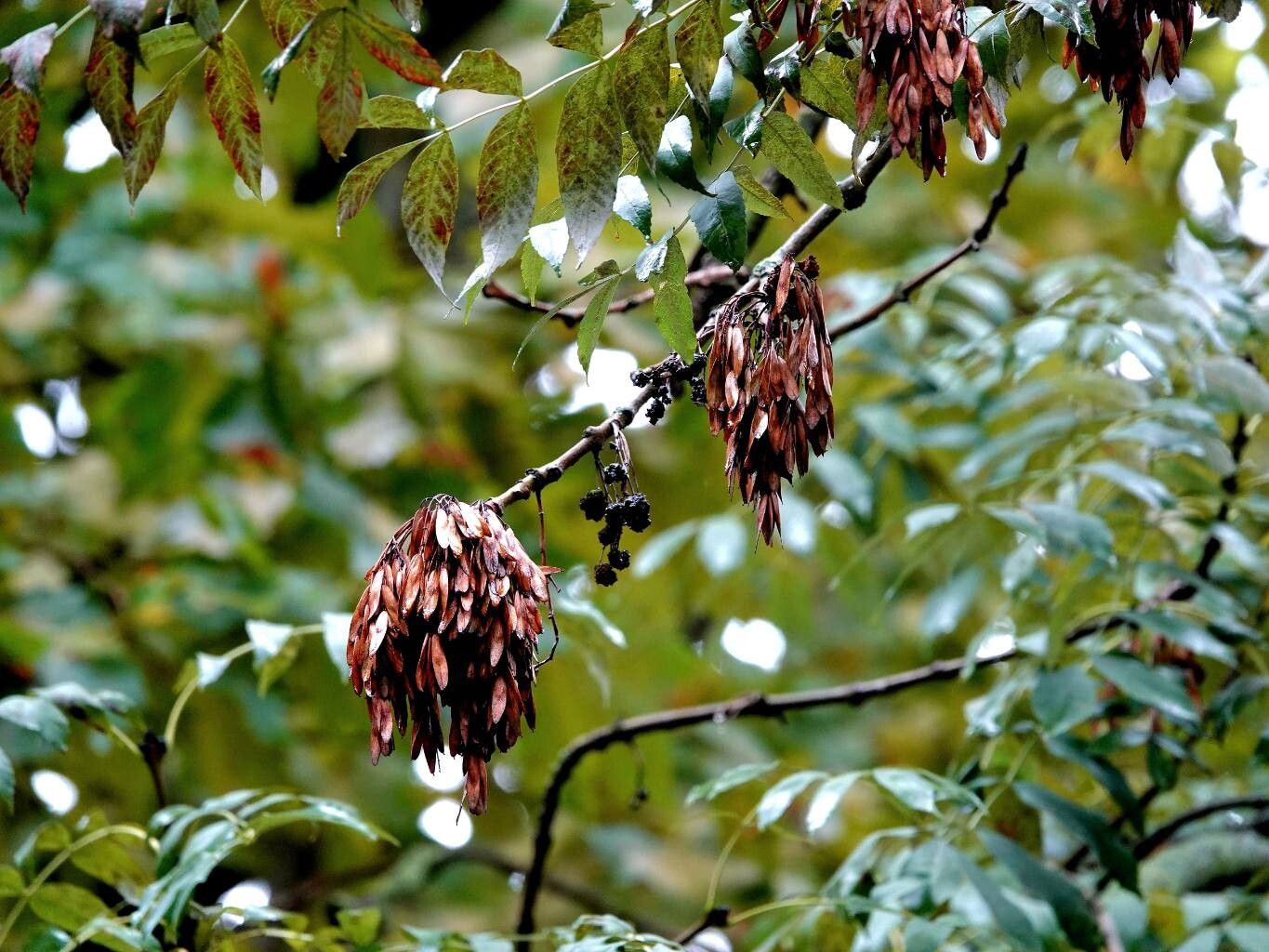
Well hello there, fellow plant lovers! It’s so nice to chat with you today. If you’re anything like me, you find an immense joy in nurturing new life from a small piece of a beloved plant. And today, we’re diving into the wonderfully rewarding world of propagating Fraxinus excelsior, our magnificent European Ash.
There’s something truly special about growing an ash tree from scratch. These majestic trees are known for their resilience, their beautiful compound leaves that turn a lovely yellow in autumn, and the strength of their wood. Watching a tiny cutting transform into a sapling, knowing you helped it along, is a feeling that never gets old. Now, I’ll be honest, propagating Fraxinus excelsior isn’t generally considered a beginner’s walk in the park. It can be a bit more challenging than, say, a pothos, but with a little care and patience, it’s absolutely achievable!
The Best Time to Start
For the highest success rate with most woody plants like our ash, late spring to early summer is your golden ticket. This is when the plant is in full growth, and the new stems, called semi-hardwood cuttings, are pliable enough to root but have started to firm up just a bit. They have the energy stores to push out those precious roots.
Supplies You’ll Need
Gathering your supplies before you begin makes the whole process so much smoother. Here’s what I always have on hand:
- Sharp, clean pruning shears or a sharp knife: Essential for making clean cuts without crushing the stems.
- Rooting hormone powder or gel: This is your secret weapon to encourage root development.
- A well-draining potting mix: A good blend of peat moss or coir, perlite, and a little bit of compost works wonders. You want it to hold moisture but not get waterlogged.
- Small pots or trays: Clean containers with drainage holes are a must. About 4-inch pots are usually a good starting size.
- A clear plastic bag or a propagator lid: This creates the humid environment young cuttings desperately need.
- Perlite or coarse sand: I often mix this into my potting soil to improve drainage even further.
- A spray bottle: For misting.
- Optional: Bottom heat mat: This can significantly speed up rooting.
Propagation Methods: Let’s Get Our Hands Dirty!
The most reliable method for Fraxinus excelsior is taking semi-hardwood cuttings. It’s an exciting process that really feels like you’re bringing a new tree to life!
- Select Your Stems: In late spring or early summer, look for healthy, vigorous stems on your mature ash tree. You want them to be from this year’s growth. The ideal cutting will be about 6-8 inches long and have a pencil-like thickness. It should be slightly firm but still bend a little without snapping. Avoid any woody, brittle stems or very soft, floppy new growth.
- Make the Cut: Using your sharpest shears or knife, make a clean cut just below a leaf node (where a leaf attaches to the stem). This is where the magic of root formation is most likely to happen.
- Prepare the Cutting: Gently remove the leaves from the bottom two-thirds of the cutting. If the remaining leaves are quite large, you can even cut them in half horizontally. This reduces water loss through transpiration, which is critical when the cutting doesn’t have roots to absorb moisture.
- Apply Rooting Hormone: Dip the cut end of the stem into your rooting hormone powder or gel. Tap off any excess. Make sure the hormone is applied to the portion that will be buried in the soil.
- Plant Your Cutting: Fill your clean pots with your prepared, moist potting mix. Make a hole in the center with a pencil or your finger. Insert the treated end of the cutting into the hole, ensuring the nodes from which you removed leaves are below the soil surface. Gently firm the soil around the cutting.
- Create Humidity: Water the soil gently. Then, cover the pot with a clear plastic bag or a propagator lid. This traps moisture around the cutting, creating a mini-greenhouse effect. If you’re using a bag, you might need to prop it up with a skewer or two so it doesn’t touch the leaves.
The “Secret Sauce” – My Insider Tips
Over the years, I’ve picked up a few tricks that seem to make all the difference.
- Don’t let the leaves touch the water inside your humidity dome. If you see condensation building up and dripping onto the leaves, it encourages fungal diseases, which is the kiss of death for cuttings. If you’re using a bag, try to keep it slightly elevated.
- Bottom heat is your best friend! If you have a heated propagator or can place your pots on a gentle bottom heat mat, do it. A consistent soil temperature around 70-75°F (21-24°C) can dramatically speed up root development, often by weeks. It mimics the warmth of spring soil.
- Take multiple cuttings! Not every single one will make it, and that’s perfectly okay. By taking a few extra cuttings, you significantly increase your chances of success and have spares if you want to try them in different spots or offer them to gardening friends.
Aftercare & Troubleshooting
Once your cuttings are planted in their humid little homes, it’s all about patience and observation.
Root Development: You’ll know your cutting has rooted when you see new leaf growth. Another good sign is when you gently tug on the cutting and feel resistance. This can take anywhere from 4 weeks to several months, so don’t get discouraged!
When Roots Appear: Once you see signs of rooting, it’s time to gradually introduce your new plant to less humid conditions. Ventilate the propagator or plastic bag by opening it up a little bit each day over the course of a week or two. Eventually, you can remove the cover entirely. Continue to keep the soil consistently moist but not waterlogged.
Troubleshooting: The most common issue is rot. If you see stems turning black and mushy at the soil line, it’s usually a sign of too much moisture and poor air circulation. Sadly, these are often difficult to save, so remove them so they don’t infect others. If your cuttings simply fail to root and the stems remain green and firm, they might just need more time, or perhaps the conditions weren’t quite right. Don’t be afraid to try again next season!
A Warm Encouragement
Growing new trees from cuttings is a journey, and like any good garden project, it requires patience. Celebrate the little victories, like seeing that first tiny leaf unfurl. Even if some cuttings don’t make it, you’ll learn so much from the process. Keep experimenting, have fun with it, and enjoy the satisfaction of nurturing these beautiful Fraxinus excelsior saplings into existence. Happy propagating!
Resource:
https://identify.plantnet.org/k-world-flora/species/Fraxinus%20excelsior%20L./data