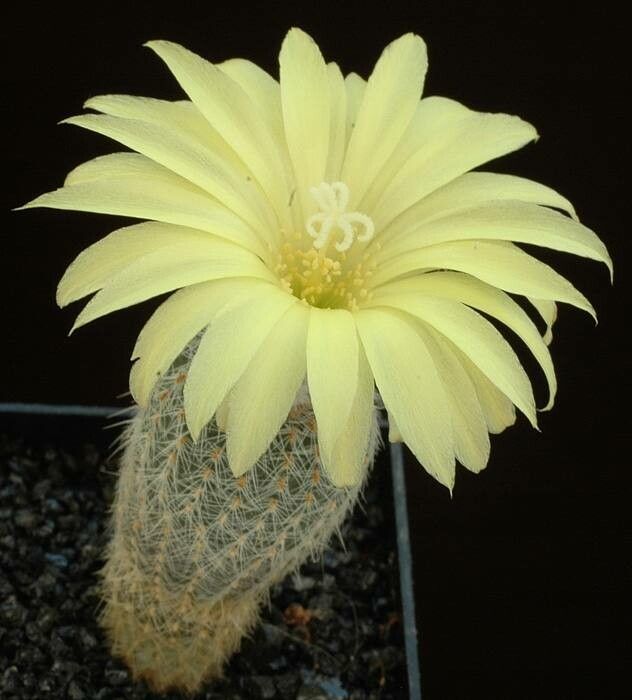
Oh, hello there! Come on in and grab a mug of something warm. Today, we’re diving into the delightful world of propagating Frailea pygmaea. If you’ve ever marveled at these tiny, ribbed cacti, with their often shy but stunning flowers, you understand their charm. For me, the true joy of gardening comes from coaxing new life from existing treasures, and Frailea pygmaea offers a wonderfully rewarding journey. Now, is it a breeze for absolute beginners? Honestly, Frailea pygmaea can be a tad particular. It’s not as forgiving as some succulents, but with a little care and attention, success is absolutely within reach!
The Best Time to Start
When it comes to giving your little Frailea the best chance, spring and early summer are your golden windows. This is when the plant is actively growing, brimming with energy, and most receptive to propagation efforts. You want to work with a healthy, vigorous specimen that’s been well-cared for during its growing season. Trying to propagate during its dormant period, usually in winter, is much less likely to yield results.
Supplies You’ll Need
Before we get our hands dirty, let’s make sure we have our tools ready. It’s like packing for a little gardening adventure!
- Well-draining potting mix: This is crucial! Think a cactus and succulent mix with added perlite or pumice. You want it to drain fast.
- Clean, sharp pruning shears or a sharp knife: For making clean cuts.
- Rooting hormone (optional but recommended): A little boost for your cuttings.
- Small pots or trays: Clean ones, always!
- Labels: So you don’t forget what you’ve planted where!
- Watering can with a fine rose or a spray bottle: For gentle watering.
- Optional: Heat mat: Especially helpful if your space tends to be cool.
Propagation Methods
Frailea pygmaea, being a cactus, has a couple of excellent ways to multiply. For this particular gem, offsets are your main game.
Propagating from Offsets (The Easiest Way!)
This is my go-to method for Frailea pygmaea. These little cacti often produce baby plants, called offsets, that sprout from the base of the parent plant.
- Gently examine your mature plant. Look for any small, new plants emerging from the soil line or directly from the side of the main cactus.
- Wait for the offset to be a decent size. Ideally, it should be at least a quarter to a third the size of the parent plant. This gives it enough stored energy to develop its own roots.
- Carefully remove the offset. You can usually do this with your fingers, gently wiggling it free. If it’s firmly attached, use your clean, sharp knife or pruning shears to make a clean cut right at the point of attachment. Try to get a bit of base if you can.
- Allow the offset to callus. This is a super important step for cacti! Place the removed offset in a bright, dry location, out of direct sun, for 2-3 days. This allows the cut surface to dry and form a protective “scab” or callus. This prevents rot when you plant it.
- Potting up. Fill your small pot with your well-draining potting mix. Make a small indentation in the center.
- Plant the offset. Gently place the callused end of the offset into the soil. You don’t need to bury it deeply, just enough so it stands upright.
- Initial watering. Wait another day or two after planting before giving it its first, very light watering. You want to err on the side of dryness.
The “Secret Sauce” (Pro Tips)
Here are a few things I’ve learned over the years that can really make a difference.
- Don’t rush the new roots! For Frailea offsets, resist the urge to tug and see if it has roots after a week. Give it at least 2-3 weeks before you even think about checking. Patience is key.
- Bottom heat is your friend. If your home is on the cooler side, placing your potted offsets on a gentle heat mat can significantly speed up root development. Just a mild warmth, not hot!
- Airflow is critical. Good air circulation around your cuttings, and later your new plants, helps prevent fungal issues and rot, which is a cactus’s worst nightmare.
Aftercare & Troubleshooting
Once your offset has successfully rooted (you’ll know because it will resist a gentle tug and will start to look plump and happy, maybe even grow a bit!), you can treat it like a mature Frailea pygmaea.
- Watering: Water sparingly, only when the soil is completely dry. During its active growing season (spring/summer), you might water every couple of weeks, but in cooler months, it might be only once a month, or even less.
- Light: Give it bright, indirect light. A few hours of gentle morning sun is usually perfect. Too much intense sun can scorch them.
- Troubleshooting: The biggest enemy is rot. If your offset looks mushy, discolored, or falls over, it’s likely rotten. This is usually due to overwatering or insufficient drainage. If you catch it early, you might be able to cut away the rotted section and try to let the healthy part callus and re-root. It’s a tough lesson, but one you won’t forget! Yellowing or wilting can also indicate too much or too little water, or not enough light.
And there you have it! Propagating Frailea pygmaea is a journey, not a race. Don’t get discouraged if a cutting doesn’t take. Every gardener has their share of plants that decided not to join the party. Just keep trying, observe your plants, and enjoy the process of nurturing new life. Happy gardening!
Resource: