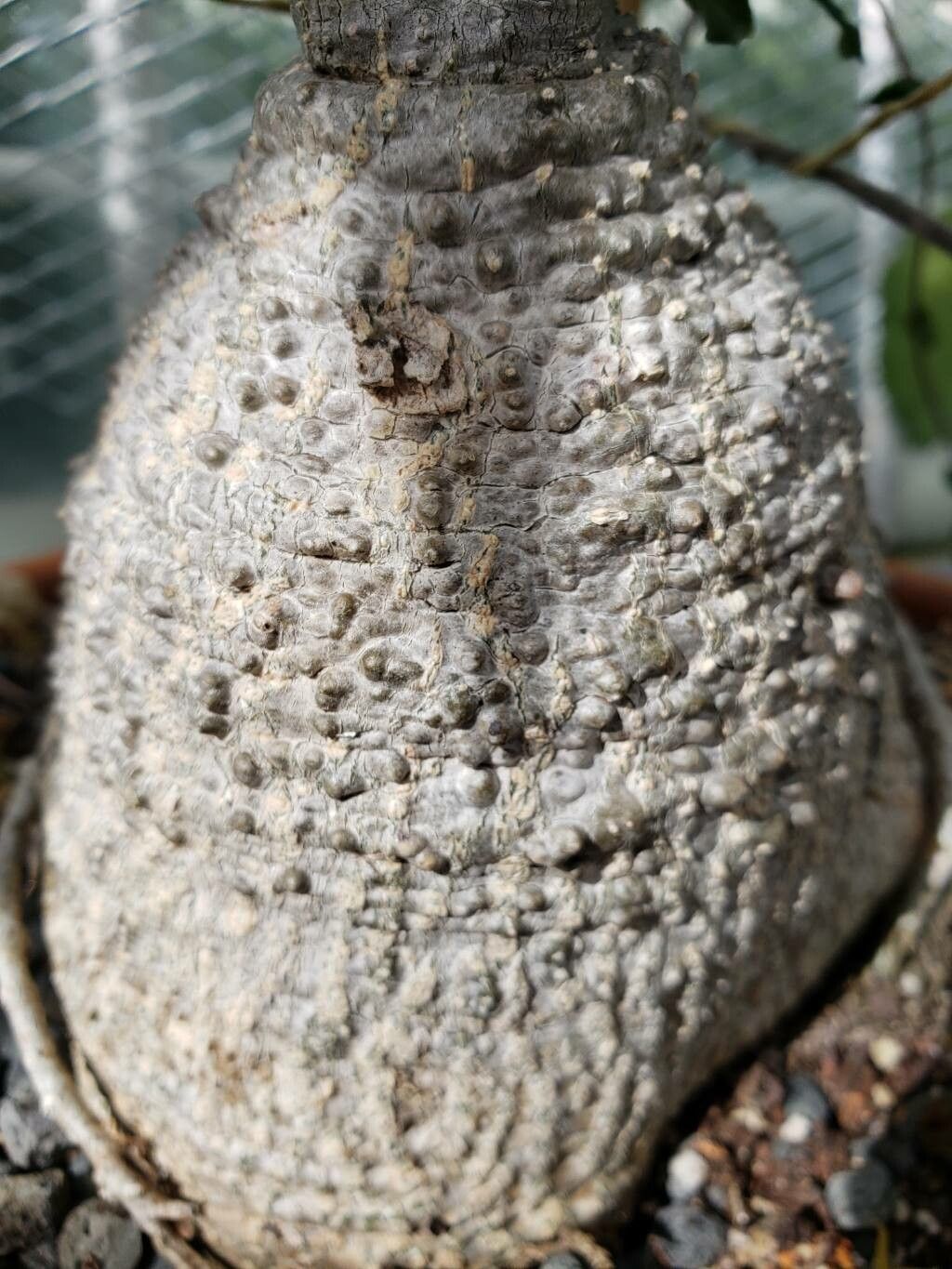
Alright, my fellow plant enthusiasts! Today, we’re diving into something truly special: propagating the wonderfully peculiar Fockea edulis. If you’ve ever admired its fascinating caudex – that swollen, potato-like base – and wondered how you could get your own, you’re in the right place. Propagating this gem is an incredibly rewarding journey, and while it might seem a little intimidating at first, I promise, it’s quite achievable. It’s not the absolute easiest plant for a brand-new beginner, but with a little attention and good timing, you’ll be well on your way to success.
The Best Time to Start
Timing is everything when it comes to coaxing new life from your plants. For Fockea edulis, the absolute sweet spot is late spring through early summer. This is when the plant is actively growing, pushing out new shoots and drawing up energy from its roots. Starting during its active growth phase gives your cuttings the best chance to root and establish themselves before the cooler, less active months arrive. You want to see healthy, vigorous growth before you think about taking any cuttings.
Supplies You’ll Need
Gathering your tools beforehand makes the whole process much smoother. Here’s what I usually have on hand:
- Sharp Pruning Shears or a Blade: Clean, sharp tools are crucial to make clean cuts and prevent disease.
- Well-Draining Potting Mix: I like a mix of cactus or succulent soil combined with perlite or pumice (about a 50/50 ratio). This ensures no waterlogging.
- Small Pots or Seed Trays: Whatever you have that’s clean and has drainage holes will work.
- Rooting Hormone (Optional but Recommended): This isn’t strictly necessary, but it can give your cuttings a significant boost.
- Watering Can or Spray Bottle: For gentle watering.
- Labels or Plant Markers: To keep track of what you’ve potted.
- Marker Pen: For your labels.
Propagation Methods
There are a couple of ways we can get new Fockea edulis plants going. I find these two to be the most reliable for this particular species.
Stem Cuttings
This is my go-to method for Fockea edulis. It’s straightforward and often yields great results.
- Select Your Cutting: Look for a healthy, non-flowering stem that’s at least 4-6 inches long. It should feel firm, not soft or mushy.
- Make the Cut: Using your sharp shears, make a clean cut just below a leaf node (where a leaf emerges from the stem).
- Remove Lower Leaves: Gently pluck off the lower leaves from the cutting. This will expose the nodes where roots are likely to form and prevents leaves from rotting in the soil.
- Callous Over: This is a critical step for Fockea edulis. Let the cut end of the stem air dry for 2-3 days, or even up to a week, in a dry, shaded spot. You’ll see a dry, papery “scab” form. This prevents rot, which is the number one enemy of these cuttings.
- Apply Rooting Hormone (Optional): Once calloused, dip the cut end into rooting hormone, tapping off any excess.
- Plant Your Cutting: Fill your cleaned pot with your well-draining potting mix. Make a small hole in the center with your finger or a pencil. Gently insert the calloused end of the cutting into the soil, ensuring at least one leaf node is buried. Firm the soil around it.
- Water Sparingly: Water very lightly, just enough to settle the soil. We want it barely moist, not wet.
Caudex Division
If you have a mature Fockea edulis with a large, chunky caudex and multiple stems emerging, you might be able to divide it. This is a bit more involved and carries a higher risk, so only attempt it if you’re feeling confident.
- Remove from Pot: Gently slide the entire plant out of its pot.
- Clean the Roots: Carefully brush away as much of the old soil as possible to clearly see the caudex and its divisions.
- Identify Natural Divisions: Look for natural breaks or points where you can separate sections of the caudex, each with its own set of roots and at least one or two healthy stems.
- Make the Cut (if necessary): If there isn’t a clean natural break, use a very sharp, clean knife or saw to carefully cut through the caudex. Make sure each section has a good portion of roots attached.
- Callous Time (Again!): Just like stem cuttings, allow the cut surfaces of the caudex to dry and callous thoroughly for at least a week, possibly longer, in a dry, shaded area. This is paramount to prevent rot.
- Pot Up: Pot each divided section into its own pot with your well-draining mix, ensuring the caudex is mostly above the soil line and the roots are spread out.
- Water Very Sparingly: Water extremely lightly, similar to the stem cuttings.
The “Secret Sauce” (Pro Tips)
Here are a couple of tricks I’ve learned over the years that can really make a difference:
- The Leaf-to-Water Rule: If you’re ever tempted to water propagate (though I don’t recommend it for Fockea due to rot risk), a golden rule is to never let the leaves touch the water. Only the cut stem should be submerged. For soil propagation, this translates to keeping the soil just barely moist and never waterlogged, and also ensuring no leaves are buried in the soil.
- Bottom Heat is Your Friend: While not essential, placing your potted cuttings on a gentle heat mat can significantly speed up root development. It mimics the warmth of summer soil and encourages those roots to get going. Just make sure the mat isn’t too hot – you want warmth, not cooking!
Aftercare & Troubleshooting
Once your cuttings are in their pots, patience is your mantra.
- Watering: Water only when the soil is almost entirely dry. It’s much better to underwater than overwater at this stage. A misting with a spray bottle can sometimes suffice for the first few weeks.
- Light: Place them in a spot with bright, indirect light. Avoid direct, harsh sun, which can scorch delicate new growth or dry out the soil too quickly.
- Checking for Roots: After about 4-8 weeks, you can gently tug on a cutting. If you feel resistance, roots are forming! You might also see new leaf growth, which is a great sign.
- Troubleshooting – The Rotters: The most common sign of failure is rot. If your cutting turns mushy, black, or smells off, it’s likely rotted. Sadly, at this point, it’s usually best to discard it. This is why proper callousing and well-draining soil are so vital. If your caudex division develops soft, mushy spots, trim them away with a clean knife, dust with cinnamon (a natural fungicide), and let it callous again.
Happy Growing!
Propagating Fockea edulis is a journey of learning and observation. Don’t be discouraged if your first few attempts aren’t perfect. Each plant and each cutting is a little experiment. Celebrate the successes, learn from the challenges, and most importantly, enjoy the process of bringing new life into your garden. Happy propagating!
Resource:
https://identify.plantnet.org/k-world-flora/species/Fockea%20edulis%20(Thunb.)%20K.Schum./data