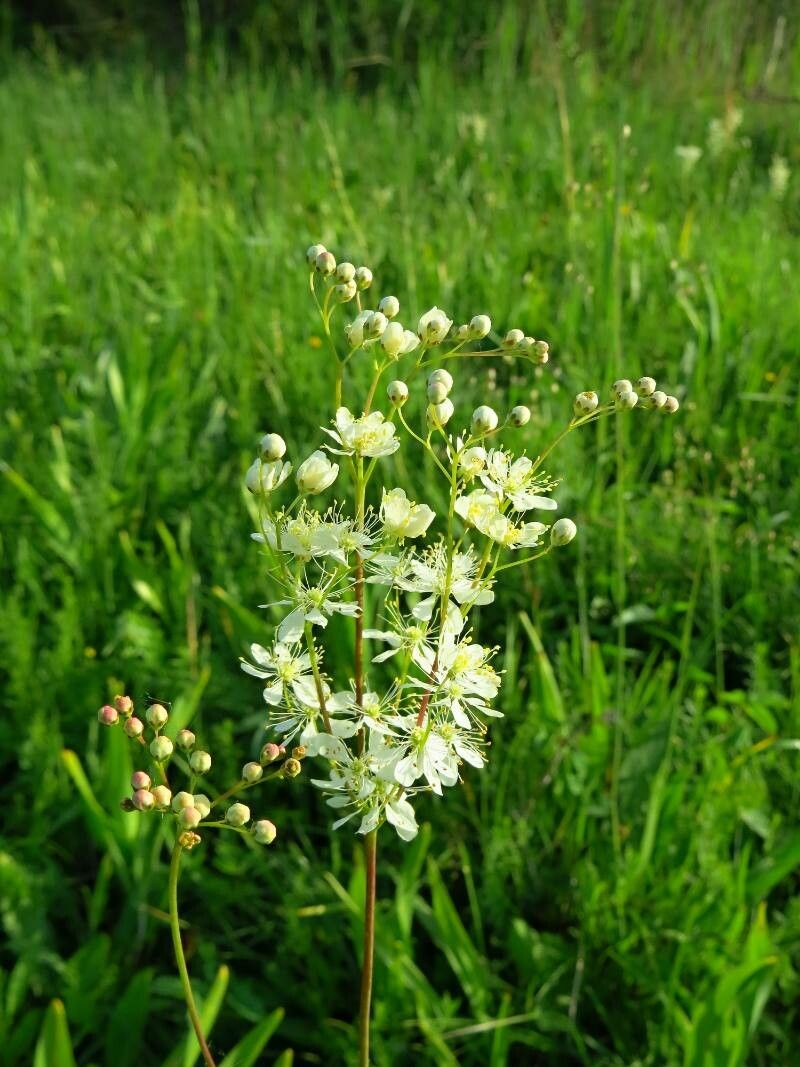
Oh, hello there! Come on in and grab a cuppa. I’ve been meaning to chat with you about Filipendula vulgaris, more commonly known as dropwort. Isn’t she a darling? Those delicate, frothy plumes of white flowers are just ethereal in a cottage garden, and they have this lovely, subtle fragrance that hints at summer evenings. Plus, the foliage is rather attractive on its own.
Now, I know sometimes talking about propagation can sound a bit daunting, especially if you’re just dipping your toes into the gardening world. But trust me, Filipendula vulgaris is a delightful plant to propagate. It’s quite forgiving, actually, making it a wonderful choice for beginners. You’ll feel such a thrill watching a tiny new plant emerge from something you grew yourself!
The Best Time to Start
For the highest success rate with Filipendula vulgaris, I’ve found that late spring to early summer, after the main flowering flush has passed, is your sweet spot. This is when the plant has gathered good energy and is eager to grow. You can also get away with dividing clumps in early autumn as things begin to cool down, but spring propagation tends to give the new plants a stronger start before winter.
Supplies You’ll Need
Here’s a little list of what you’ll want to have handy:
- Sharp pruning shears or a clean knife: For making neat cuts. Dull tools can crush stems and invite disease.
- Small pots or seed trays: Whatever you have that’s clean and has drainage holes.
- A good quality potting mix: I like to use a blend of peat-free compost and perlite for excellent drainage and aeration. A 50/50 mix usually does the trick.
- Rooting hormone (optional but helpful): A powder or gel. It’s not strictly essential for Filipendula vulgaris, but it can give your cuttings a little boost.
- A watering can with a fine rose or a spray bottle: To water gently.
- Labels: Because trust me, you will forget what you planted where!
Propagation Methods
There are a couple of ways to go about this, and both are quite effective.
Division (My Preferred Method!)
This is honestly the easiest and most reliable way to increase your Filipendula vulgaris stock.
- Dig it up: In late spring or early autumn, carefully dig up your established Filipendula vulgaris plant. Try to get as much of the root ball as possible.
- Shake off excess soil: Gently remove some of the soil so you can clearly see the clump and its individual crowns or stems.
- Find the divisions: Look for natural growing points. You can usually see where new shoots are emerging from the main root system.
- Separate the sections: Using your hands, a trowel, or your pruning shears, gently pull or cut the clump apart into sections. Each section should have at least one healthy shoot or bud and a good portion of roots.
- Replant immediately: Pop your new divisions into well-draining soil, just as you would a garden plant. Water them in well.
Stem Cuttings
This method is a bit more hands-on but very rewarding.
- Take cuttings: In late spring or early summer, select healthy, non-flowering shoots. Cut stems that are about 4-6 inches long, just below a leaf node (where a leaf grows from the stem).
- Prepare the cuttings: Remove the lower leaves from the cutting, leaving just a few at the top. If you’re using rooting hormone,dip the cut end into it now.
- Pot them up: Fill your pots or trays with your prepared potting mix. Make a hole with a pencil or your finger and insert the cutting, firming the soil around it.
- Water gently: Water them in well, providing consistent moisture. You can pop a plastic bag loosely over the pot to create a mini-greenhouse, but make sure the leaves don’t touch the plastic.
The “Secret Sauce” (Pro Tips)
- Don’t be afraid to divide aggressively: Filipendula vulgaris is a robust grower. If you have a big, old clump, don’t hesitate to split it into smaller, manageable pieces. They’ll bounce back!
- Bottom heat for cuttings: If you’re doing stem cuttings and want to give them an extra edge, try placing your pots on a warm propagator mat. This encourages root development from the bottom up.
- Keep them moist, not soggy: This is crucial for both methods. New divisions and cuttings need consistent moisture to establish themselves, but waterlogged soil is the quickest way to invite rot.
Aftercare & Troubleshooting
Once your divisions are planted or your cuttings have rooted (you’ll know they’ve rooted when you see new leaf growth), continue to water them regularly, especially during dry spells. Keep them in a sheltered spot, out of harsh sun, for the first few weeks.
The main thing to watch out for is rot. If your stems go limp and black or the soil surface develops mold, it’s usually a sign of overwatering or poor drainage. If this happens, gently try to lift the affected plant, remove any rotten material, and replant it in fresh, drier soil. Sometimes, a little bit of rot can be salvaged if you catch it early enough.
A Encouraging Closing
And there you have it! Propagating Filipendula vulgaris is truly a rewarding experience. Don’t be discouraged if your first attempt isn’t perfect. Gardening is all about learning and observing. Be patient with your new plants, give them a little care and attention, and soon you’ll have more of these charming frothy beauties to share or plant out. Happy propagating!
Resource:
https://identify.plantnet.org/k-world-flora/species/Filipendula%20vulgaris%20Moench/data