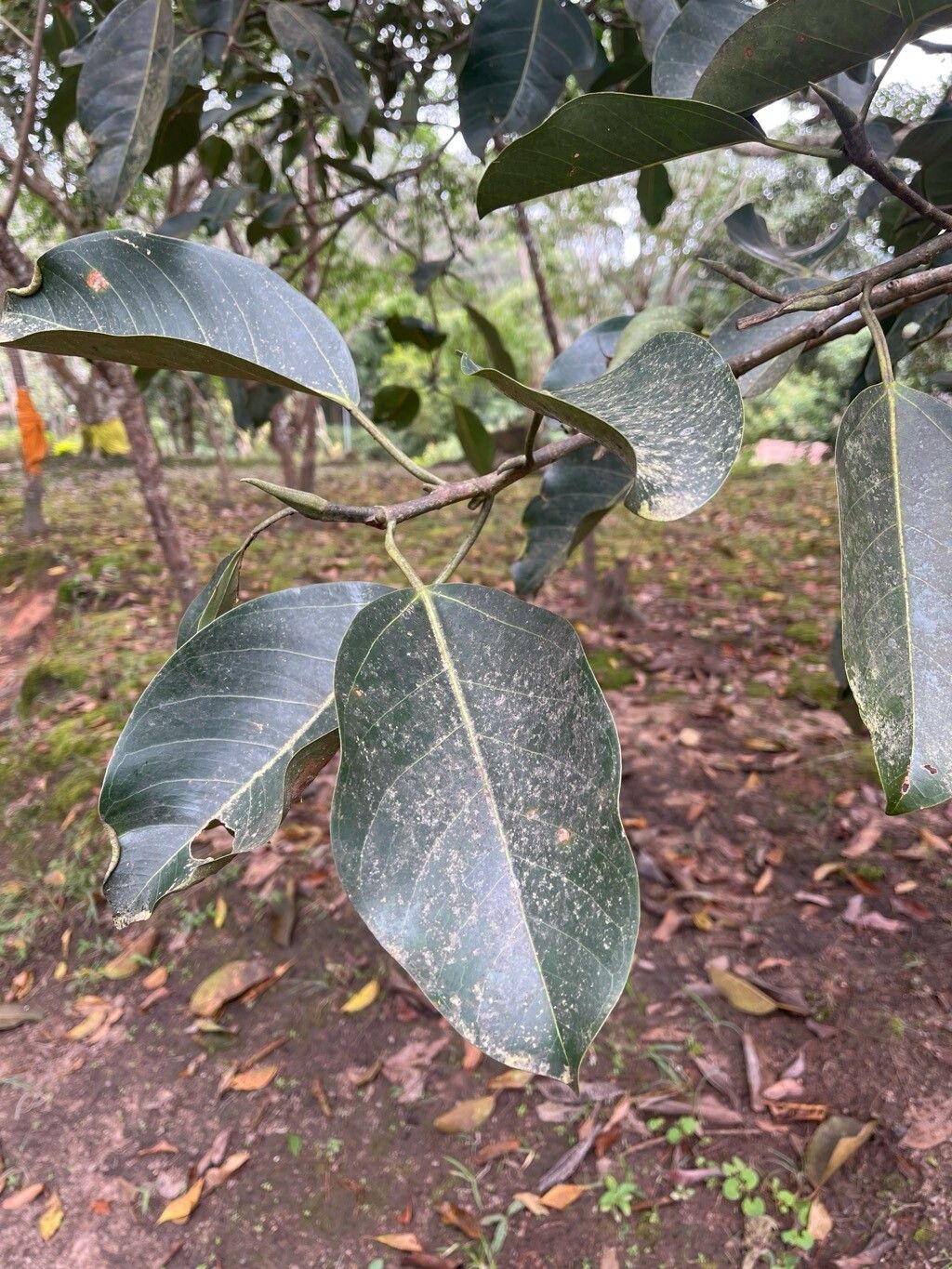
Hey there, fellow plant lovers! It’s so lovely to have you join me today. I’m absolutely thrilled to chat about a plant that’s captured my heart over the years: Ficus caulocarpa. If you’ve ever admired its glossy, deep green leaves and the way it can transform a space into a lush haven, you’re not alone. And the truly wonderful thing? You can bring more of that gorgeous greenery into your world by propagating it!
Now, I know the thought of propagating can sound a little daunting, but trust me, Ficus caulocarpa is a pretty forgiving plant, even for those of you just dipping your toes into the world of propagation. It’s a rewarding journey, watching a tiny cutting unfurl new leaves and grow into a magnificent specimen you nurtured yourself.
The Best Time to Start
When it comes to giving your Ficus caulocarpa cuttings the best chance, I’ve found that extending from spring through to mid-summer is your golden window. This is when the plant is in its active growing phase, brimming with energy. They’re more likely to enthusiastically put out roots when the days are longer and the temperatures are warmer. Avoid trying to propagate during the plant’s dormant period in winter; it’s just not the optimal time for success.
Supplies You’ll Need
To set yourself up for success, gather these essentials:
- Sharp, clean pruning shears or a knife: This is crucial for making clean cuts that heal better.
- Rooting hormone (optional, but recommended): A little dip in this can really boost root development.
- Well-draining potting mix: A standard houseplant mix with added perlite or orchid bark works wonderfully. You want to avoid anything that stays soggy.
- Small pots or propagation trays: Clean, small containers are perfect for getting new roots established.
- Clear plastic bag or propagation dome: To create a humid environment for your cuttings.
- Watering can or spray bottle: For gentle watering.
Propagation Methods
For Ficus caulocarpa, I’ve had the most success with stem cuttings. It’s straightforward and incredibly satisfying.
Here’s how we’ll do it:
- Select Your Cutting: Look for a healthy stem on your mature Ficus caulocarpa. You want a piece that has at least two or three nodes (those little bumps where leaves sprout from). Aim for a cutting that’s about 4-6 inches long.
- Make the Cut: Using your sharp, clean shears or knife, make a cut just below a node. A clean cut helps prevent disease and encourages better root formation.
- Prepare the Cutting: Gently remove the lower leaves from the cutting. You only want to leave one or two leaves at the top. This reduces the plant’s need to support more foliage and helps it direct its energy towards rooting. If the remaining leaves are very large, I often cut them in half horizontally. This lessens water loss through transpiration while still allowing for some photosynthesis.
- Apply Rooting Hormone (Optional): If you’re using rooting hormone, dip the cut end of your stem into the powder or gel. Tap off any excess.
- Plant Your Cutting: Fill your small pot with your well-draining potting mix. Make a small hole in the center using your finger or a pencil, and gently insert the cut end of your Ficus stem. Firm the soil around the stem to ensure it’s stable.
- Create a Humid Environment: Water the soil gently until it’s evenly moist but not waterlogged. Then, cover the pot with a clear plastic bag or place it under a propagation dome. Poke a few holes in the bag for ventilation, or slightly lift the dome daily to allow for airflow. This humidity is key!
The “Secret Sauce” (Pro Tips)
After years of getting my hands dirty, a few little tricks have proven invaluable:
- Avoid Leaf Drip: If you’re using water propagation for any other plants (though stem cuttings in soil are best for Ficus caulocarpa), never let the leaves of the cutting touch the water. They’ll rot quickly. Keep the water level low enough so only the stem is submerged.
- Bottom Heat is Your Friend: For impatient gardeners like myself, a seedling heat mat placed under your propagation pots can dramatically speed up root development. Ficus loves a bit of warmth from below.
- Don’t Overwater! This is an absolute killer. Soggy soil leads to rot. The goal is consistently moist, not wet. When the top inch of soil feels dry, that’s your cue to water lightly.
Aftercare & Troubleshooting
Once your Ficus caulocarpa cutting has developed a good root system (you’ll know it’s working when you see new leaf growth, or you can gently tug on the cutting and feel resistance), it’s time to transition it. Gradually expose it to ambient humidity by opening the plastic bag more each day, or removing the dome for longer periods. Continue to water as needed, letting the soil dry slightly between waterings. You can then repot it into a slightly larger container with fresh potting mix.
The most common sign of trouble is rotting. If your cutting turns black and mushy at the base, it’s usually a sign of too much moisture and not enough airflow. If you see this, sadly, it’s usually best to toss it and try again with fresh cuttings and a lighter hand on the watering. Yellowing leaves on an otherwise healthy cutting can sometimes indicate it’s not getting enough light, or it’s simply adjusting.
A Little Patience Goes a Long Way
Propagating takes time, and that’s part of its magic. Don’t get discouraged if your first attempt isn’t an instant success. Be patient, observe your cuttings, and remember the joy of nurturing a new life from a small piece of your beloved plant. Happy propagating, and may your Ficus dreams come true!
Resource:
https://identify.plantnet.org/k-world-flora/species/Ficus%20caulocarpa%20(Miq.)%20Miq./data