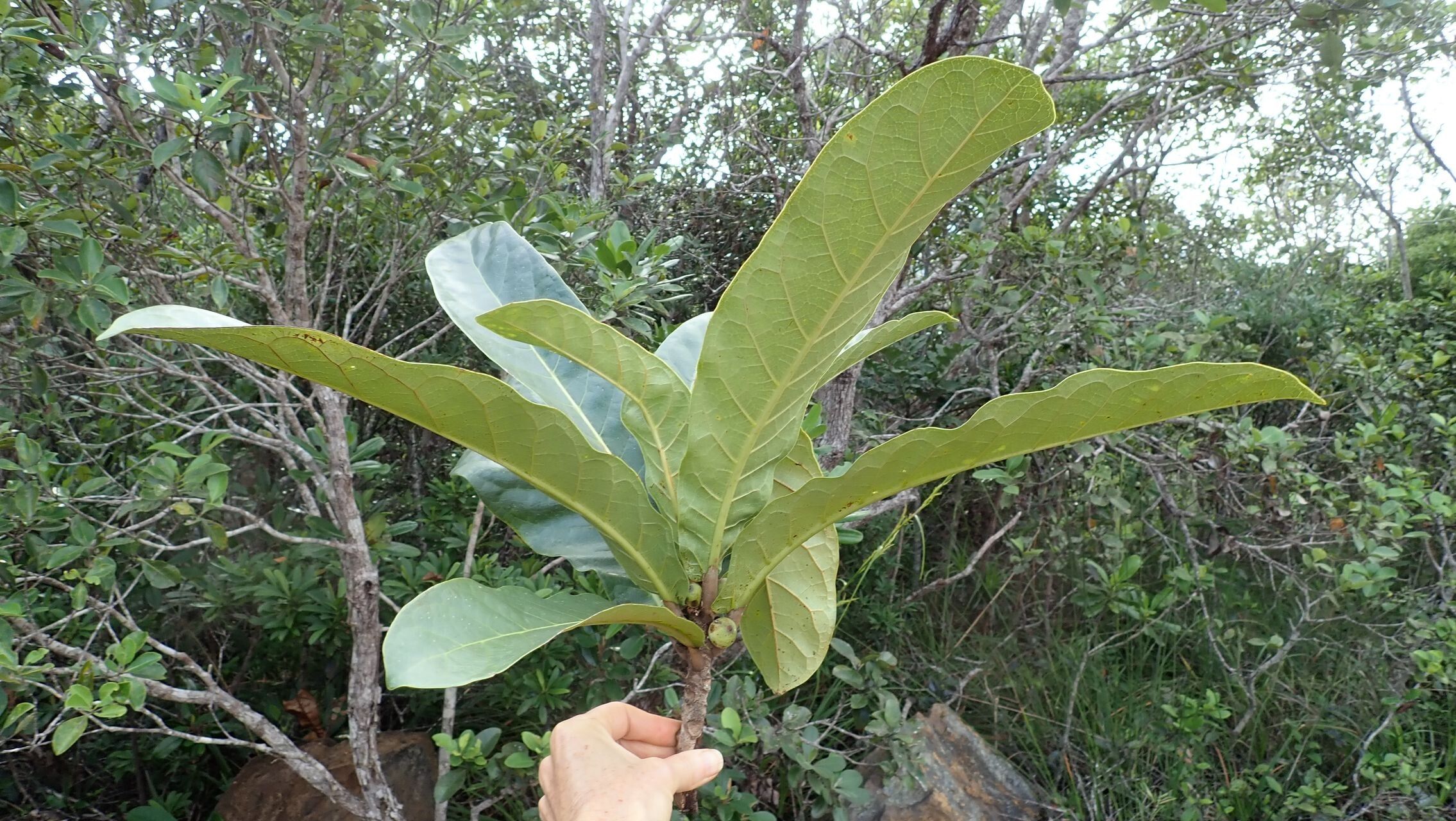
Oh, Ficus auriculigera! If you’ve seen one of these beauties with its unique, ear-shaped leaves, you know exactly why it’s such a sought-after plant. They add such a dramatic, architectural flair to any indoor space. And the joy of propagating your own? It’s incredibly rewarding. You get to watch a tiny cutting transform into a mature plant, and who doesn’t love sharing a new baby plant with a friend? For those new to the houseplant world, I’d say Ficus auriculigera is moderately easy to propagate. It’s not a diva, but it does appreciate a little attention to detail.
The Best Time to Start
My favorite time to take cuttings is in late spring or early summer. This is when the plant is in its active growth phase. The stems are usually softer and more pliable, and they have plenty of energy to put into forming roots. Avoid propagating during the plant’s dormancy in winter; you’ll likely have much less success.
Supplies You’ll Need
Here’s what I always have on hand for a successful propagation session:
- Sharp pruning shears or a clean knife: A clean cut is crucial to prevent disease.
- Rooting hormone (optional but recommended): This gives your cuttings a little boost. I like the powder form.
- Gritty potting mix: A good blend of perlite, coco coir, and a bit of potting soil works wonderfully. You want something that drains well.
- Small pots or propagation trays: Clean ones are a must!
- Clear plastic bag or propagation dome: To create a humid microclimate.
- Patience and a sunny spot!
Propagation Methods
I find taking stem cuttings to be the most reliable method for Ficus auriculigera. Here’s how I do it:
- Select a healthy stem: Look for a mature but not woody stem that has at least one or two leaf nodes. Nodes are those little bumps on the stem where leaves or aerial roots emerge.
- Make the cut: Using your clean shears or knife, make a straight cut just below a leaf node. Aim for a cutting that’s about 4-6 inches long.
- Remove lower leaves: Gently remove any leaves from the bottom half of the cutting. This prevents them from rotting when you bury them in the soil.
- Apply rooting hormone (optional): Dip the cut end into rooting hormone, tapping off any excess.
- Plant your cutting: Insert the cut end into your prepared, moist potting mix. Make sure at least one leaf node is buried. Gently firm the soil around the stem.
- Create humidity: Water the soil lightly and then cover the pot with a clear plastic bag, using a stake or two to keep the bag from touching the leaves. Alternatively, use a propagation dome.
- Place in bright, indirect light: Find a warm spot that gets plenty of light but not direct sun, which can scorch the delicate cutting.
The “Secret Sauce” (Pro Tips)
Over the years, I’ve learned a few tricks that seem to make all the difference:
- Avoid the milky white sap: When you cut the stem, you’ll notice a milky white sap oozing out. This sap can be irritating to the skin and can actually inhibit rooting if left to dry on the cut. I usually rinse the cut end briefly under cool water to wash it off.
- Bottom heat is your friend: If you have a seedling heat mat, placing your pot on it can significantly speed up root development. The warmth encourages those cells to get to work!
- Don’t overwater: This is a common mistake. The soil should be consistently moist, but never waterlogged. Soggy soil is a fast track to rot. Check the moisture level by feeling the soil with your finger.
Aftercare & Troubleshooting
Once you see roots emerging from the drainage holes of your pot, or if you gently tug on the cutting and feel resistance, it’s a good sign! You can then remove the plastic bag gradually over a few days to acclimate the new plant to normal humidity. Continue to water as needed, and once the plant is well-established, you can repot it into a slightly larger container.
The most common problem is rot. If your cutting turns mushy and black, it’s likely succumbed to rot. This is usually caused by overwatering or poor drainage. If you see signs of yellowing leaves that aren’t related to watering issues, it might mean the cutting isn’t getting enough light. Sometimes, cuttings just don’t make it, and that’s okay! It’s part of the learning process.
A Encouraging Closing
Propagating plants is a journey, and every success, no matter how small, is a joy. Be patient with your Ficus auriculigera cuttings. Some might take their sweet time, and that’s just their personality! Enjoy the process of nurturing these new life forms. Happy propagating!
Resource:
https://identify.plantnet.org/k-world-flora/species/Ficus%20auriculigera%20Bureau/data