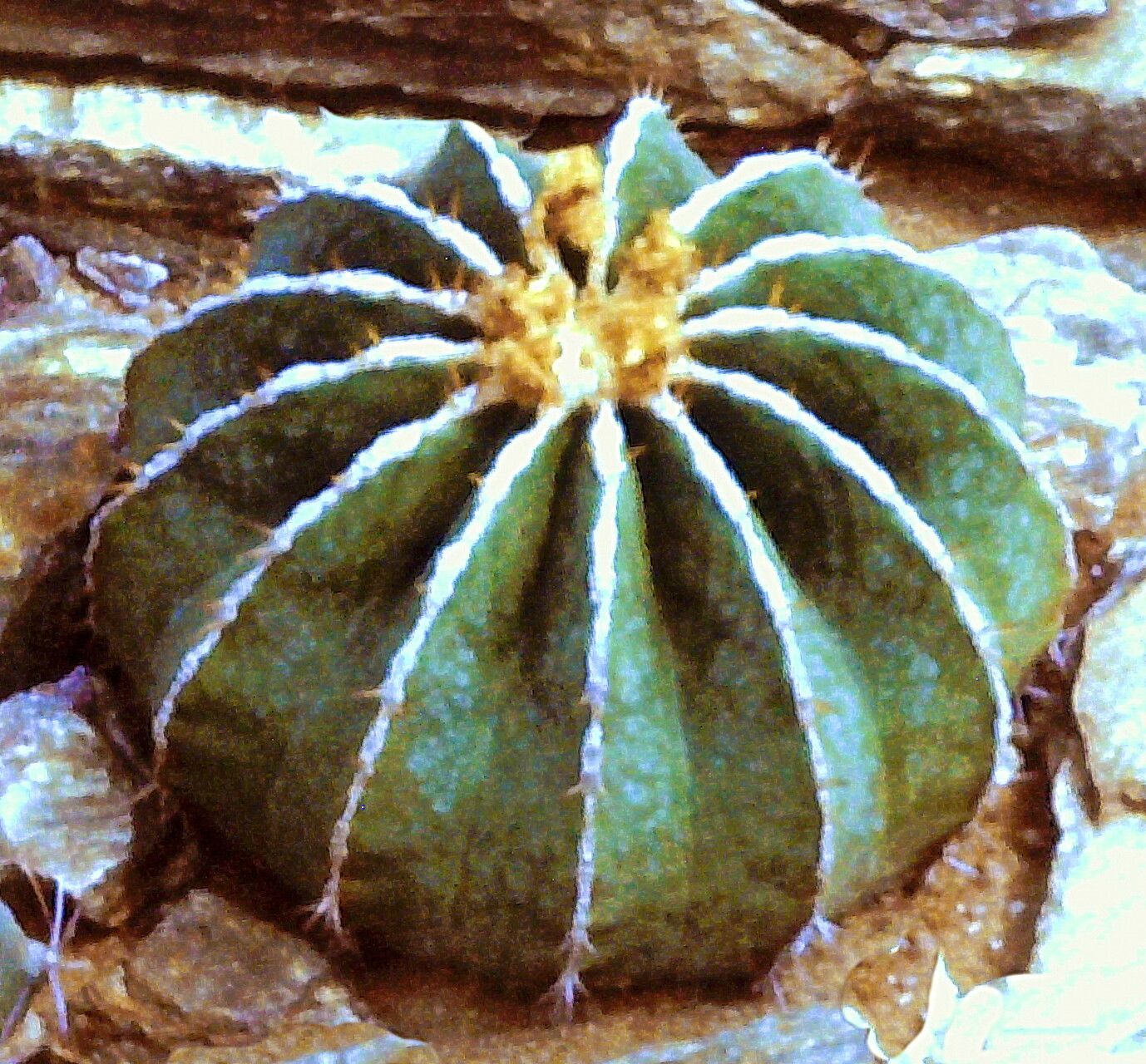
Oh, hello there! I’m so glad you’ve stopped by for a chat about one of my favorite desert dwellers: the Ferocactus schwarzii, or the Black Spined Barrel Cactus. If you haven’t had the pleasure, imagine a magnificent, stout barrel, often reaching impressive sizes, adorned with the most striking, dark, almost black spines. It’s a real showstopper in any cactus collection, and the sheer satisfaction of growing your own from scratch? Pure gold.
Now, is Ferocactus schwarzii a beginner-friendly propagation project? Honestly, it falls somewhere in the middle. It’s not as hands-off as some succulents, but with a little patience and a few key steps, you’ll be rewarded with tiny versions of this impressive cactus.
The Best Time to Start
For Ferocactus schwarzii, the sweet spot for propagation is usually during its active growing season. Think late spring through summer. This is when the plant is naturally energized and has the best chance of rooting and establishing itself quickly. Starting at this time avoids the chilly, damp conditions that can lead to rot for newly propagated cuttings.
Supplies You’ll Need
Gathering your tools makes the process so much smoother, doesn’t it? Here’s what I always keep on hand:
- Well-draining potting mix: A cactus and succulent blend is essential. I often mix in extra perlite or pumice for even better drainage.
- Sharp, sterilized pruning shears or a clean knife: For making clean cuts. Sterilize with rubbing alcohol to prevent disease.
- Rooting hormone (optional but recommended): I find it gives cuttings a little boost. Look for one specifically for succulents or cacti.
- Clean pots or trays: Terra cotta pots are great because they breathe. Make sure they have drainage holes!
- Grit or gravel: For top-dressing and assisting with drainage.
- Gloves: These spines can be surprisingly pokey!
- Watering can with a fine rose or a spray bottle: For gentle watering.
- A warm, bright location: Somewhere that gets plenty of indirect sunlight.
Propagation Methods
Ferocactus schwarzii is most commonly propagated through Offsets, also known as pups. This stout barrel cactus often produces these smaller baby cacti from its base.
- Identify the Offsets: Look for small, nubby growths emerging from the sides or base of your mature Ferocactus schwarzii. They’ll have their own mini-spines!
- Wait for Size: It’s best to wait until the offsets are at least one to two inches in diameter. This gives them a better chance of survival on their own.
- Carefully Detach: Using your sterilized knife or shears, gently cut the offset away from the mother plant. Try to get a clean separation right at the point where it connects. If there’s a bit of what looks like a root attached, even better!
- Allow to Callus: This is a critical step! Place the detached offset in a dry, well-ventilated spot away from direct sun for several days to a week. You want the cut surface to dry out and form a callous. This protective layer prevents rot.
- Planting: Once calloused, prepare your pot with your well-draining mix. Make a small indentation in the soil and gently place the offset in it, burying the calloused end just enough to keep it upright. You can add a bit of grit around the base for support.
- Initial Watering: Don’t water immediately. Wait another few days after planting before giving it its first very light watering.
The “Secret Sauce” (Pro Tips)
Here are a couple of things I’ve learned over the years that can really make a difference:
- Patience with pups: Sometimes, offsets look a bit sad and shriveled for a while after planting. This is normal as they focus their energy on developing roots. Resist the urge to overwater! They’re like tiny desert travelers, happy to wait for their resources.
- Bottom heat is your friend: If you can provide gentle bottom heat, especially early on, it can significantly encourage root development. A seedling heat mat set to a low temperature (around 70-75°F or 21-24°C) is perfect. Just make sure the pot isn’t sitting directly in water.
Aftercare & Troubleshooting
Once your offset seems reasonably stable, you can gradually introduce it to more light, but still avoid scorching midday sun. Water sparingly, allowing the soil to dry out completely between waterings. Think of how often you’d water a mature cactus – even less at first.
The main thing to watch out for is rot. If you see the offset turning mushy, black, or developing soft spots, it’s a sign of too much moisture. Sadly, this is often irreversible. If you catch it early, you might be able to cut away the rotted part and try to callous and re-root the healthy portion, but prevention is key. If it just seems stubbornly unrooted and a bit shriveled, keep the faith for a while longer.
A Encouraging Closing
Growing Ferocactus schwarzii from an offset is a journey, and like all good gardening projects, it requires a touch of patience. Don’t be discouraged if your first attempt isn’t an instant success – we all have our learning curves! Enjoy the process of nurturing these spiky little wonders. Watching them grow into their full, magnificent selves is one of the most satisfying rewards gardening has to offer. Happy planting!
Resource:
https://identify.plantnet.org/k-world-flora/species/Ferocactus%20schwarzii%20G.E.Linds./data