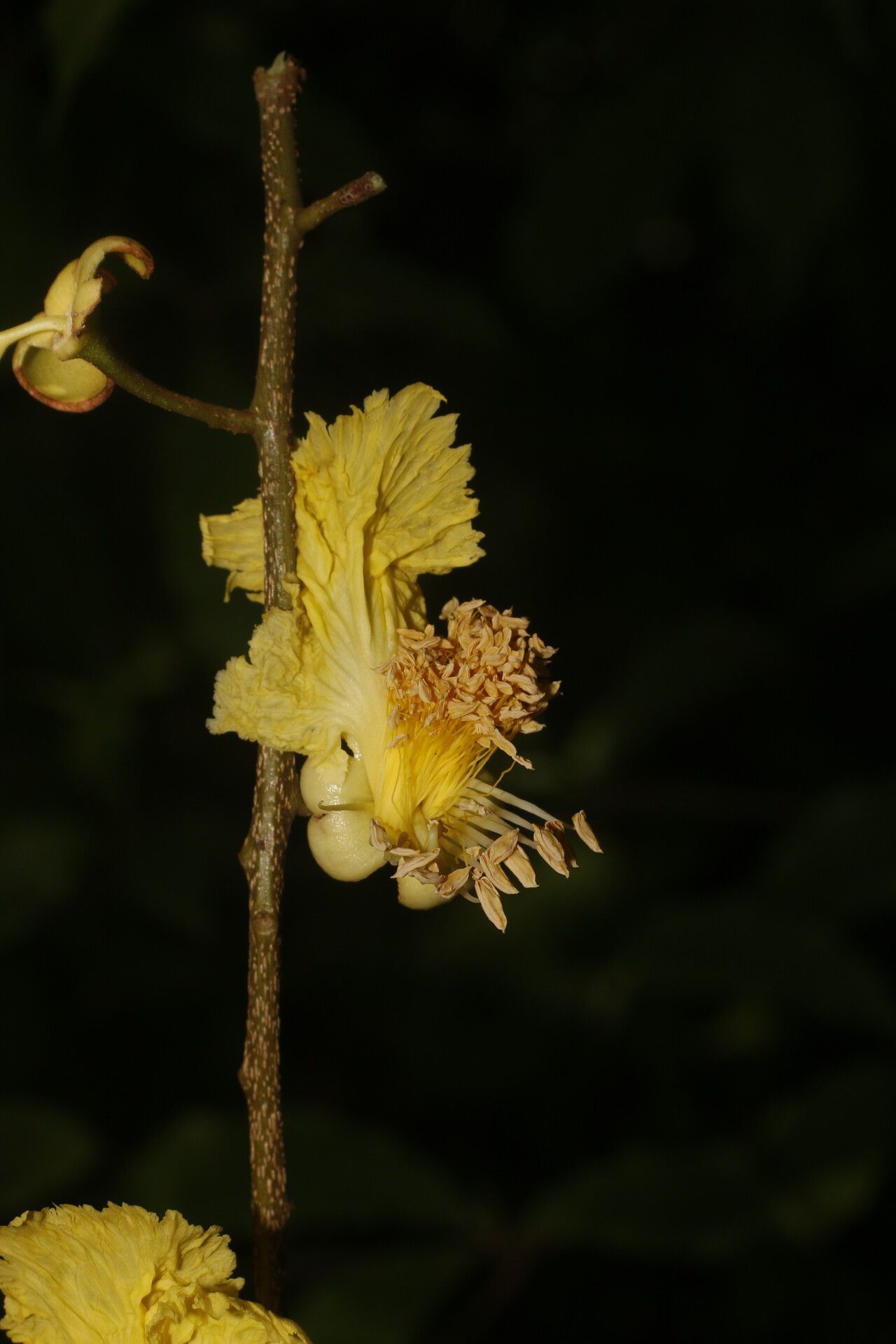
Oh, Fairchildia panamensis! What a delightful choice for your garden. You know, I’ve always adored this plant for its lush, tropical vibe. The way those glossy leaves unfurl, promising a little slice of paradise right in your own space – it’s pure joy! And the wonderful news? Propagating it is absolutely achievable, even if you’re just dipping your toes into the world of plant parenting. It’s honestly one of those rewarding projects that makes you feel like a gardening magician.
The Best Time to Start
Generally, spring and early summer are your golden windows for propagating Fairchildia panamensis. This is when the plant is actively growing and has the most energy to put into developing new roots. You want to grab cuttings from healthy, vigorous growth that isn’t producing flowers or fruits. Think of it as taking a piece of the plant at its peak performance!
Supplies You’ll Need
Gathering your tools beforehand makes the whole process so much smoother. Here’s what I’d recommend having on hand:
- Sharp, clean pruning shears or a sharp knife: Clean cuts are crucial to prevent disease. I always sterilize mine with rubbing alcohol.
- Rooting hormone (optional but recommended): This really gives your cuttings a helpful boost. Look for one specifically for stem cuttings.
- A well-draining potting mix: A good blend of peat moss or coco coir, perlite, and some compost works beautifully. Many people also find success with a mix of equal parts perlite and coco coir.
- Small pots or propagation trays: Clean pots are your friend!
- A spray bottle: For misting.
- Clear plastic bags or propagation dome: To create a humid environment.
- Labels: Keep track of what you’ve propagated and when!
Propagation Methods
Let’s get our hands dirty with the most common and effective ways to create new Fairchildia panamensis plants.
Stem Cuttings – My Go-To
This is the method I find most reliable.
- Select a healthy stem: Look for a stem that’s about 4-6 inches long and has at least 2-3 nodes (the little bumps where leaves grow). Avoid woody or very soft, new growth.
- Make the cut: Using your sharp tool, make a clean cut just below a node. This is where the magic happens for root formation.
- Prepare the cutting: Gently remove the lower leaves, leaving just a couple of leaves at the top. This reduces water loss. If the remaining leaves are very large, you can even cut them in half.
- Apply rooting hormone: Dip the cut end into your rooting hormone, tapping off any excess.
- Plant your cutting: Stick the cut end into your prepared potting mix, pushing it down deep enough so it’s stable – ideally, a node or two should be buried.
- Water and cover: Gently water the soil to settle it around the cutting. Then, cover the pot with a clear plastic bag (make sure the leaves aren’t touching the plastic!) or place it in a propagation dome. This traps humidity.
Water Propagation
If you’re feeling adventurous, you can try rooting in water.
- Prepare your cutting: Follow steps 1-3 from the stem cutting method.
- Place in water: Put the cutting in a clean glass or jar of room temperature water. Make sure the nodes you removed the leaves from are submerged, but don’t let any leaves sit in the water.
- Change water regularly: Change the water every few days to keep it fresh and prevent bacterial growth.
- Wait for roots: You’ll start to see little white roots forming. Once they are about an inch long, you can transplant them into your potting mix.
The “Secret Sauce” (Pro Tips)
Here are a couple of tricks I’ve learned over the years that can really make a difference:
- Bottom Heat is Your Friend: Nothing turbocharges root development like a little warmth from below. If you can, place your pots on a heat mat designed for plant propagation. It mimics spring soil temperatures and encourages those roots to wake up faster.
- Don’t Be Afraid of High Humidity: Especially if you’re not using a heat mat, that humidity dome or plastic bag is crucial. Fairchildia panamensis thrives in a moist environment, and a humid bubble prevents the cuttings from drying out before they can form roots. Just make sure to “burp” your cuttings by opening the bag for a few minutes daily to allow for air circulation and prevent mold.
Aftercare & Troubleshooting
Once you see those first signs of roots – sometimes you can even see them peeking out the drainage holes! – it’s time to adjust their care.
- Gradual Acclimation: Slowly start increasing air circulation by opening your humidity cover for longer periods each day. You want to gradually harden off your new plant to the drier air of your home.
- Keep Moist, Not Soggy: Continue to water gently when the top inch of soil feels dry. The goal is consistently moist, but never waterlogged.
- Signs of Trouble: The most common issue is rot. If your cutting turns mushy, black, or smells funky, it’s likely rotted. This usually means too much moisture and not enough air circulation. If you catch it early, you might be able to salvage a healthy part of the stem and try again. Wilting can also happen, but with consistent moisture and humidity, it should perk up.
A Gentle Encouragement
Growing new plants from cuttings is such a beautiful process, and it’s all about patience. Don’t get discouraged if your first attempt isn’t a runaway success. Every gardener has had a few cuttings that just didn’t make it. Enjoy the journey, celebrate each tiny new leaf, and I promise, the satisfaction of watching your propagated Fairchildia panamensis thrive will be well worth the wait! Happy growing!
Resource: