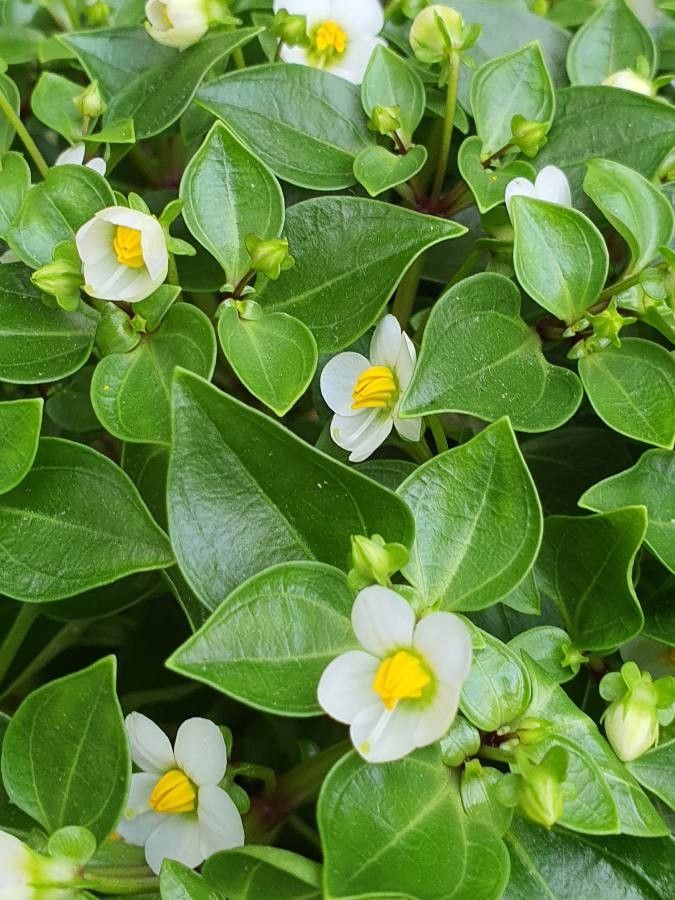
Hello, fellow plant enthusiasts! Today, we’re diving into the wonderful world of propagating Exacum affine, affectionately known as Persian violets. These little darlings bring such a splash of vibrant color and delightful fragrance to any space. They’re like tiny jewels in your garden or on your windowsill. Seeing a new plant spring to life from a tiny piece of another is one of the most rewarding experiences a gardener can have, don’t you think? And the good news? While they can be a touch particular, they’re absolutely doable for beginners willing to give them a little extra love.
The Best Time to Start
For the best chance of success with Exacum affine, I always aim to propagate in spring or early summer. This is when the plant is actively growing and has the most energy to put into developing new roots. Think of it as giving them the best weather conditions for getting started in life.
Supplies You’ll Need
Before we get our hands dirty, let’s gather our tools:
- Seed starting mix or a well-draining, sterile potting mix: Something light and airy is key.
- Small pots or seed trays: Clean ones are important to prevent disease.
- Sharp pruning shears or a clean razor blade: For making neat cuttings.
- Rooting hormone (optional but recommended): It gives those cuttings a helpful boost.
- Plastic bags or a propagator lid: To create a humid environment.
- Spray bottle with water: For misting.
- Small labels and a marker: So you don’t forget what you planted!
Propagation Methods
The most reliable way I’ve found to propagate Exacum affine is through stem cuttings.
- Take Your Cuttings: Gently select healthy, non-flowering stems from a mature plant. Using your clean shears or razor, take cuttings about 3-4 inches long. Make a clean cut just below a leaf node (where a leaf attaches to the stem).
- Prepare the Cuttings: Remove the lower leaves from the cutting, leaving just a few at the top. This helps the plant focus its energy on rooting, not on supporting excess foliage.
- Apply Rooting Hormone (Optional): If you’re using rooting hormone, dip the cut end of the stem into the powder or gel, tapping off any excess.
- Plant Your Cuttings: Fill your small pots or seed trays with your prepared potting mix. Make a small hole with your finger or a pencil. Carefully insert the cut end of the stem into the hole, ensuring the leaf nodes are buried. Gently firm the soil around the stem.
- Create a Humid Environment: Water the soil lightly. Then, place your pots inside a plastic bag, sealing it loosely or covering them with a propagator lid. This creates a mini-greenhouse, keeping the humidity high, which is crucial for cuttings.
The “Secret Sauce” (Pro Tips)
Here are a couple of little tricks I’ve learned over the years that can make a big difference:
- The Water Level is Key: If you ever decide to try water propagation for some Exacum cuttings (though soil is generally better for these), never let the leaves touch the water. They’ll rot very quickly. Only the bottom inch or so of the stem should be submerged.
- Bottom Heat is a Game-Changer: Placing your pots or propagator on a heat mat specifically designed for plants can significantly speed up root development. It mimics the warmth of spring soil and encourages those roots to get moving. I’ve found this to be invaluable!
Aftercare & Troubleshooting
Once your cuttings are planted, keep them in a bright spot but out of direct sunlight. Water only when the soil surface feels dry to the touch, and mist the leaves regularly to maintain humidity. You should start to see tiny roots forming within 4-6 weeks. You can gently tug on a cutting; if there’s resistance, roots have developed.
The most common problem you’ll encounter is rot. If you see your cuttings turning mushy and black, it’s usually a sign of too much moisture and not enough air circulation. If this happens, pull out the affected cutting immediately to prevent it from spreading. Sometimes, it’s just a matter of finding the right balance of moisture.
A Word of Encouragement
Propagating plants is a journey, and with Exacum affine, a little patience goes a long way. Don’t be discouraged if your first attempt isn’t perfect. Every gardener has learned through trial and error. Enjoy the process of nurturing these tiny beginnings, and before you know it, you’ll have a whole new collection of fragrant Persian violets to brighten your world! Happy gardening!
Resource:
https://identify.plantnet.org/k-world-flora/species/Exacum%20affine%20Balf.f.%20ex%20Regel/data