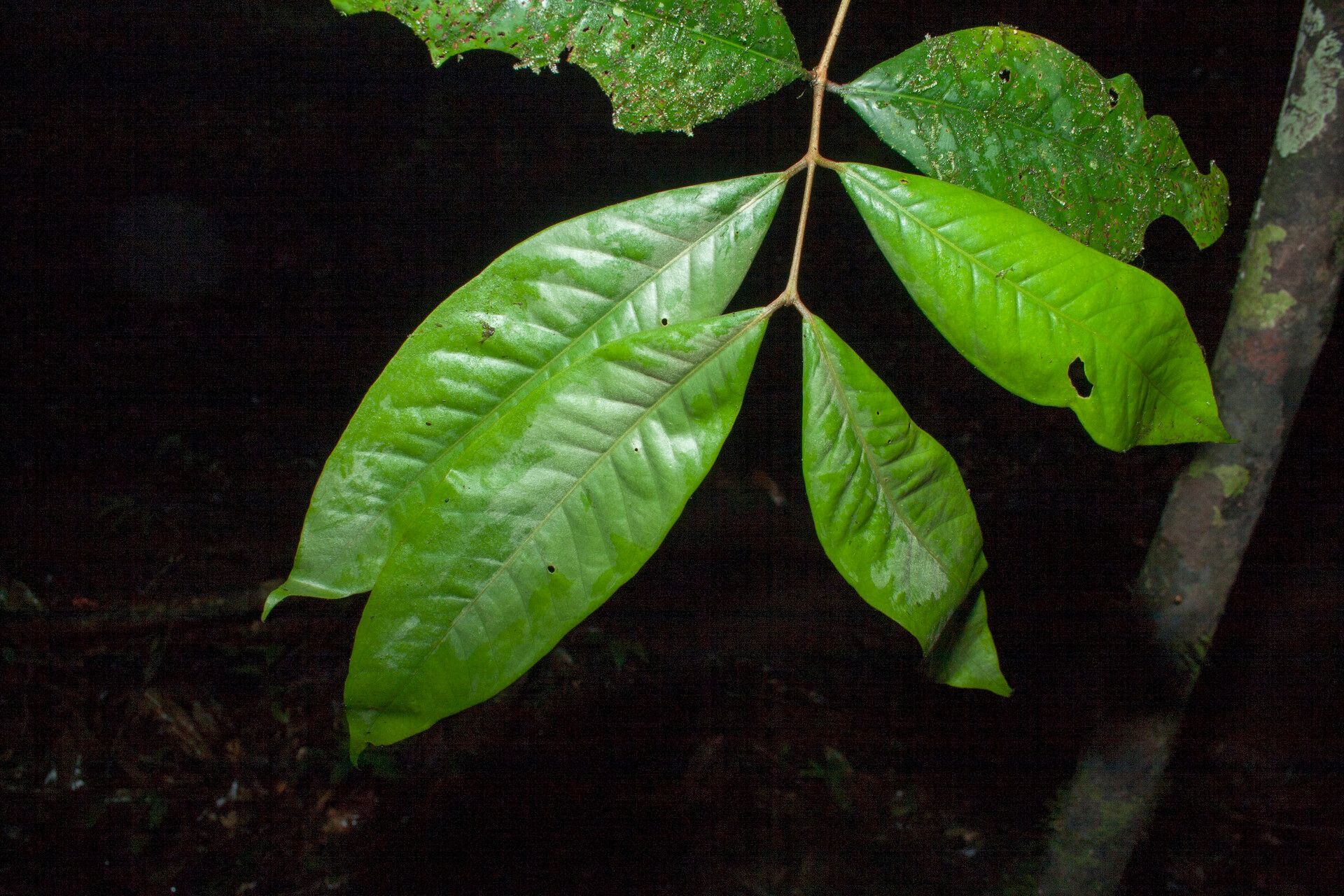
Hello there, fellow plant lovers! Today, we’re going to dive into the wonderful world of Eugenia argyrophylla. This beauty, with its silvery-green leaves that shimmer in the sunlight, is an absolute delight in any garden. Growing it from a tiny cutting and watching it transform into a thriving new plant is one of those deeply satisfying experiences that makes gardening so special. Don’t worry if you’re new to this; while it has its quirks, propagating Eugenia argyrophylla is definitely achievable, and I’m here to guide you every step of the way.
The Best Time to Start
The sweet spot for propagating Eugenia argyrophylla is late spring to early summer, when the plant is in an active growth phase. You’ll want to look for stems that are neither brand new and fluffy nor old and woody. Think of them as reaching that perfect, mature-but-still-flexible stage – sometimes called “semi-hardwood” cuttings. This is when they have the best chance of rooting successfully.
Supplies You’ll Need
Here’s what you’ll want to have on hand before you begin:
- Sharp, clean pruning shears or a sharp knife: For making clean cuts. Sterilize them with rubbing alcohol to prevent disease.
- Potting mix: A well-draining mix is crucial. I like to use a blend of peat moss or coco coir with perlite or coarse sand. A general-purpose potting mix with perlite added is usually a good start.
- Small pots or trays: Clean plastic pots or propagation trays with drainage holes work best.
- Rooting hormone (optional but recommended): This can significantly boost your success rate, especially for fussier plants. Look for one containing IBA.
- Plastic bag or propagation dome: To create a humid environment around your cuttings.
- Watering can or spray bottle: For gentle watering.
- Labels and a marker: To keep track of your propagated plants.
Propagation Methods: Stem Cuttings
For Eugenia argyrophylla, stem cuttings are generally the most reliable method. Here’s how to do it:
- Select Your Cuttings: On a healthy Eugenia argyrophylla plant, find those semi-hardwood stems. You want pieces that are about 4-6 inches long.
- Make the Cut: Using your sterilized pruning shears, make a clean cut just below a leaf node (the point where leaves emerge from the stem). This is where the plant is most likely to produce roots.
- Prepare the Cuttings: Gently remove the lower leaves from your cuttings, leaving just 1-2 sets of leaves at the top. If the remaining leaves are very large, you can cut them in half horizontally. This reduces water loss from transpiration.
- Apply Rooting Hormone (Optional): Dip the cut end of each stem into rooting hormone, tapping off any excess.
- Plant Them Up: Fill your small pots or trays with your moistened potting mix. Make a hole in the center of the mix with your finger or a pencil.
- Insert the Cuttings: Place the prepared cuttings into the holes, ensuring the leaf nodes are under the soil surface. Gently firm the soil around the base of each cutting.
- Create a Humid Environment: Water gently to settle the soil. Then, cover the pots with a clear plastic bag (making sure the leaves don’t touch the sides) or place them under a propagation dome. This trapping of humidity is key to preventing the cuttings from drying out before they can root.
The “Secret Sauce” (Pro Tips)
Here are a couple of things I’ve learned over the years that can really help:
- Bottom Heat is Your Friend: Eugenia argyrophylla cuttings love a bit of warmth from below. Placing your pots on a heated propagation mat can dramatically speed up root development. It encourages root growth without overheating the delicate foliage from the top.
- Don’t Overwater!: This is a big one. It’s so tempting to keep those cuttings moist, but consistently soggy soil is a fast track to rot. I like to water thoroughly when I first pot them, and then only water again when the top inch of soil feels slightly dry. A gentle misting of the leaves can help maintain humidity without waterlogging the soil.
Aftercare & Troubleshooting
Once your cuttings have been planted, place them in a bright location, but out of direct sunlight. You’ll want to check on them regularly. After a few weeks, you can gently tug on a cutting. If you feel resistance, it means roots have formed! At this stage, you can start to gradually introduce them to less humid conditions by opening the plastic bag or dome a little more each day over a week.
The most common problem you might encounter is rot, which usually appears as mushy, black stems. This is almost always a sign of too much moisture. If you see this, sadly, that cutting is likely lost. Remove it immediately to prevent it from affecting others.
A Encouraging Closing
Propagating plants is an act of hope and patience. So, don’t be discouraged if every single cutting doesn’t make it. Celebrate the ones that do, and learn from the ones that don’t. Enjoy the process of nurturing these little bits of life, and soon you’ll have your very own Eugenia argyrophylla to admire and share! Happy gardening!
Resource: