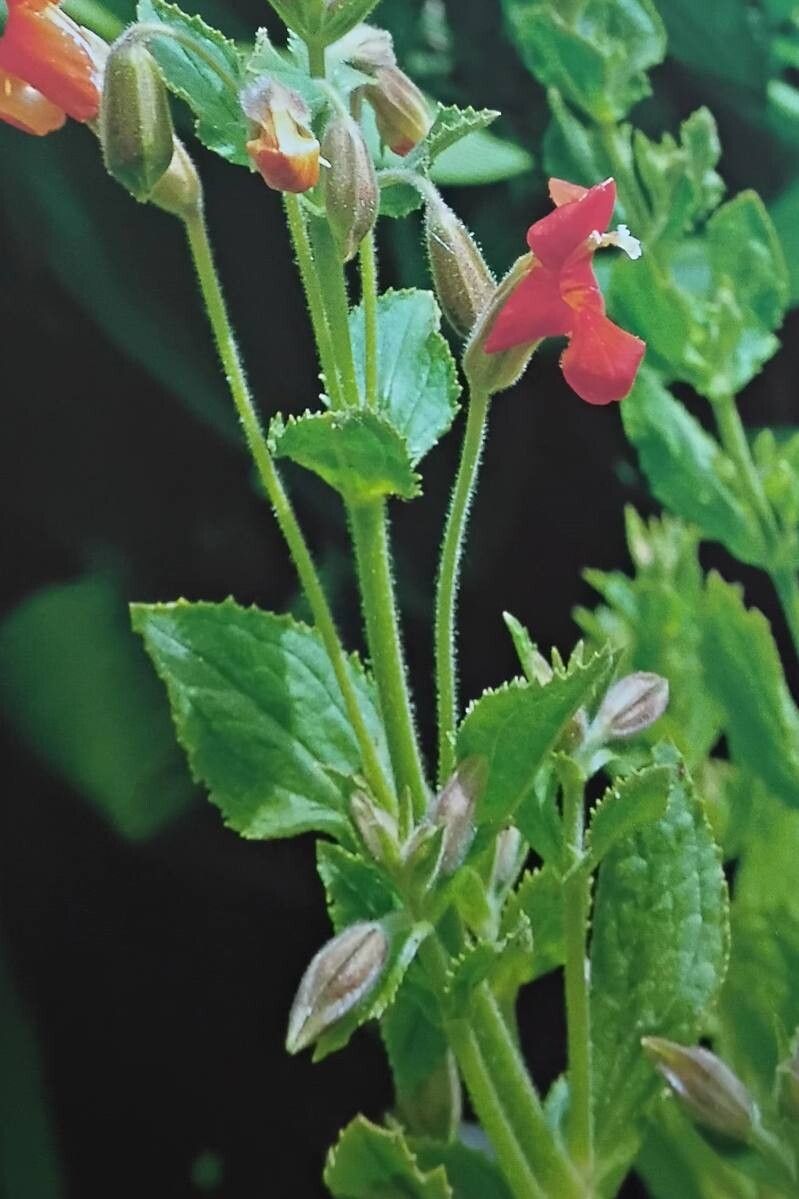
Oh, the joy of the Cardinal Flower! Erythranthe cardinalis, or as I affectionately call her, the “Scarlet Trumpeter,” is just a showstopper in the garden. Those vibrant, fiery red blooms! They’re like little beacons, drawing hummingbirds and my own gaze, time and time again. If you’ve ever admired one and wished you had more, I’ve got good news for you. Propagating Erythranthe cardinalis is totally achievable, and I think you’ll find it deeply satisfying to share this bit of garden magic.
Now, is it a walk in the park for a complete beginner? Honestly, it’s not the absolute easiest plant to start from scratch, but with a little care and attention, you’ll absolutely be successful. Think of it as a friendly challenge – one that’s well worth the effort.
The Best Time to Start
My favorite time to propagate Erythranthe cardinalis is in late spring to early summer. This is when the plant is in full swing of its growing season. You’ll find young, vigorous growth that takes enthusiastically to propagation. Waiting until the plant has established itself for the year gives you the best shot at robust new plants.
Supplies You’ll Need
Here’s what I gather before I get started:
- Clean, sharp pruning shears or a knife: For making clean cuts.
- Small to medium pots: With drainage holes, of course!
- A good quality, well-draining potting mix: I often use a mix of equal parts peat moss, perlite, and compost. Some growers like to add a bit of coarse sand for even better drainage.
- Rooting hormone (optional but helpful): A powder or gel can give those cuttings a little boost.
- Plastic bags or a clear plastic dome: To create a humid environment for your cuttings.
- Watering can with a fine rose: For gentle watering.
- Labels: So you don’t forget what you’ve planted!
Propagation Methods
For Erythranthe cardinalis, I find stem cuttings and division to be the most reliable methods.
Stem Cuttings: Bringing Forth New Life
This is my go-to for increasing my Cardinal Flower collection.
- Select your cutting: Look for healthy, non-flowering stems. You want pieces that are about 3-4 inches long and have at least a couple of sets of leaves.
- Make the cut: Using your clean pruners, make a cut just below a leaf node. A leaf node is where a leaf attaches to the stem – this is where roots love to form!
- Prepare the cutting: Gently remove the lower leaves from your cutting, leaving only the top two or three leaves. This prevents them from rotting when you pot them up. You can even pinch off the very tip if it looks like it’s trying to flower.
- Dip in rooting hormone (optional): If you’re using rooting hormone, dip the cut end into the powder or gel. Tap off any excess.
- Plant your cuttings: Fill your small pots with your prepared potting mix. Make a small hole in the center with your finger or a pencil. Gently insert the stem cutting into the hole, ensuring the leaf nodes are below the soil surface. Firm the soil gently around the stem.
- Water gently: Water thoroughly but avoid waterlogging the soil.
- Create humidity: Cover the pot with a clear plastic bag or place it under a clear plastic dome. Poke a few small holes in the bag or dome for ventilation. This creates a mini-greenhouse effect.
- Find a good spot: Place the pots in a bright location but out of direct, harsh sunlight. A windowsill that gets indirect light is perfect.
Division: Splitting a Happy Plant
If you have a mature clump of Cardinal Flower, division is a fantastic way to get more plants.
- Dig up the clump: In early spring before new growth really takes off, carefully dig up the entire plant.
- Gently separate the crowns: You can often gently tease apart the root ball with your hands. If it’s a bit stubborn, you can use a clean trowel or even a sharp knife to cut through tough rhizomes. You want each division to have at least one good crown (where the stems emerge from the roots) and plenty of healthy roots.
- Replant immediately: Plant the divisions back into the garden at the same depth they were growing before, or pot them up into individual containers with your well-draining soil.
- Water well: Water them thoroughly after planting.
The “Secret Sauce” (Pro Tips)
Here are a few things I’ve learned over the years that really help nudge propagation along:
- Don’t let the leaves touch the water in cutting containers: If you choose to root cuttings in water (which can work, but I find it trickier with Erythranthe cardinalis than soil), make sure the lower leaves are above the water line. They’ll rot quickly if submerged. Soil propagation is usually more reliable for this plant.
- Bottom heat for cuttings: A heating mat placed under your pots can significantly speed up root development for cuttings. It mimics the warmth of summer soil and is a real game-changer. Just keep the soil consistently moist, not soggy.
- Fresh not dried materials: Always use fresh, healthy stems for cuttings. Older, woody stems are much less likely to root. And if you’re dividing, try to do it when the plant is actively growing but not stressed by extreme heat or drought.
Aftercare & Troubleshooting
Once your cuttings have developed roots (you should see new growth appearing or feel a slight tug when you gently pull on a stem), it’s time for a little extra TLC.
- Gradually acclimate: If you used a plastic bag, slowly introduce your new plants to drier air by opening the bag for longer periods each day over a week or two.
- Water consistently: Keep the soil evenly moist but not waterlogged. Overwatering is one of the biggest culprits for failure.
- Watch for rot: The most common sign of trouble is wilting or yellowing leaves that turn mushy and brown. This is usually a sign of too much moisture and poor drainage. Discard any cuttings that show these signs to prevent them from affecting others. A little bit of wilting is normal while the plant adjusts, but if it persists and the stem feels soft, that’s rot.
- Patience is key: Don’t get discouraged if some cuttings don’t make it. It’s a natural part of the process.
A Little Patience Goes a Long Way
So there you have it! Growing more of these stunning Cardinal Flowers from what you already have. It takes a bit of patience, a gentle touch, and a willingness to learn. But trust me, the satisfaction of nurturing a new plant from a tiny cutting or a divided clump is a feeling that never gets old. Happy propagating, and enjoy those scarlet splashes of color!
Resource: