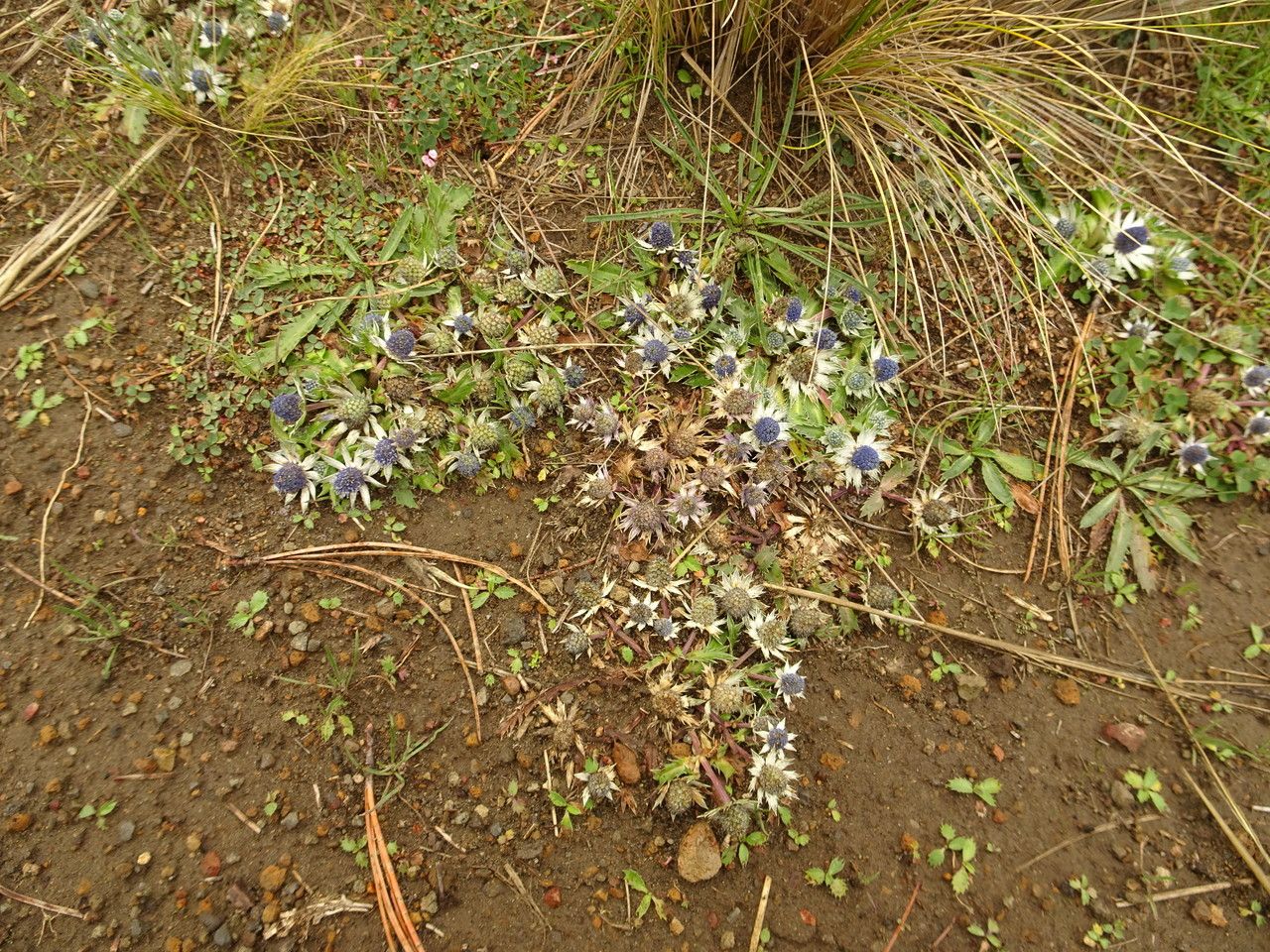
Hello there, fellow garden enthusiasts! It’s wonderful to be chatting with you today. If you’ve ever admired those striking, spiky blue blooms of Eryngium carlinae, you know exactly what I mean. They bring such a unique texture and color to a garden, and honestly, there’s a deep satisfaction in being able to grow more of them yourself. Propagating these beauties isn’t overly difficult, but it does require a little patience and attention to detail. I’d say it’s a rewarding project for a confident beginner or anyone looking to expand their collection.
The Best Time to Start
For Eryngium carlinae, the absolute sweet spot for propagation is late spring to early summer. This is when the plant is actively growing, and the new shoots are vigorous. You’ll be aiming to take cuttings from stems that aren’t flowering yet, or just beginning to form buds. This ensures the energy is directed towards root development, not seed production.
Supplies You’ll Need
Gathering your supplies beforehand makes the whole process smoother. Here’s what I always have on hand:
- Sharp pruning shears or a clean craft knife: For making clean cuts.
- Rooting hormone powder or gel: A little helper to encourage root formation.
- Well-draining potting mix: I prefer a mix of perlite, coarse sand, and a good quality peat-free compost. A cactus/succulent mix also works wonders.
- Small pots or trays: Clean ones are essential to prevent disease.
- Plastic bag or humidity dome: To maintain a humid environment for cuttings.
- Watering can with a fine rose: For gentle watering.
Propagation Methods
While Eryngium carlinae can be grown from seed, I find taking stem cuttings to be the most reliable and straightforward method for creating exact replicas of your prize plant.
- Select Your Cuttings: Look for healthy, non-flowering stems. You want pieces that are about 4-6 inches long, with at least two sets of leaves.
- Make the Cut: Using your sharp shears or knife, make a clean cut just below a leaf node. This is where roots are most likely to form.
- Prepare the Cutting: Gently remove the lower leaves from the cutting. You want a clean stem to insert into the soil. If the leaves are large, you can even trim them in half to reduce water loss through transpiration.
- Apply Rooting Hormone: Dip the cut end of the stem into your rooting hormone. Tap off any excess. This step really does make a difference.
- Plant Your Cuttings: Fill your small pots or trays with your well-draining potting mix. Make a small hole with a pencil or your finger, then gently insert the prepared cutting. Firm the soil around it so it stands upright.
- Water Gently: Lightly water the soil using your fine-rose watering can. You want the soil to be moist, but not waterlogged.
- Create a Humid Environment: Cover the pots with a plastic bag (propped up with stakes so it doesn’t touch the leaves) or place them under a humidity dome. This is crucial for preventing the cuttings from drying out.
- Provide Warmth: Place the pots in a warm spot, but out of direct sunlight. A greenhouse or a bright windowsill is ideal.
The “Secret Sauce” (Pro Tips)
Here are a couple of tricks I’ve learned over the years that can really boost your success rate:
- Don’t let the leaves touch the water: This might sound obvious, but water sitting on leaves is a fast ticket to fungal rot. Ensure your cuttings are trimmed so that only the stem is in contact with moist soil, and that no leaves are submerged if you’re doing any water propagation (though I find soil better for Eryngium).
- Bottom heat is your friend: If you have a propagator with a heating mat, use it! Providing gentle warmth from below encourages roots to form much more quickly. I find it significantly speeds things up, especially if the weather is a bit cooler.
- Patience with the prickles: Eryngiums can be a bit prickly, even when young. Don’t be shy about wearing garden gloves when handling them, especially during propagation.
Aftercare & Troubleshooting
Once your cuttings have been planted, keep the soil consistently moist but not soggy. The humidity you created should be maintained. You’ll know roots are forming when you see signs of new growth, or when the cutting feels a little resistant if you gently tug on it. This can take anywhere from 3-8 weeks, so be patient!
The most common issue you might encounter is rot. If a cutting starts to look black and mushy at the base, or if the leaves wilt dramatically and never recover, it’s likely succumbed to rot. This usually happens if the soil is too wet or if there’s not enough air circulation. If you spot rot early, you might be able to save a healthy part of the cutting by making a fresh one and starting over.
A Closing Thought
Propagating Eryngium carlinae is a wonderful way to multiply your garden’s architectural beauty. Don’t get discouraged if your first attempt isn’t a complete success. Gardening is a journey, and every plant we try to grow teaches us something new. Enjoy the process, celebrate every tiny root you nurture, and soon you’ll have a whole new patch of these stunning blue beauties to admire! Happy gardening!
Resource:
https://identify.plantnet.org/k-world-flora/species/Eryngium%20carlinae%20F.Delaroche/data