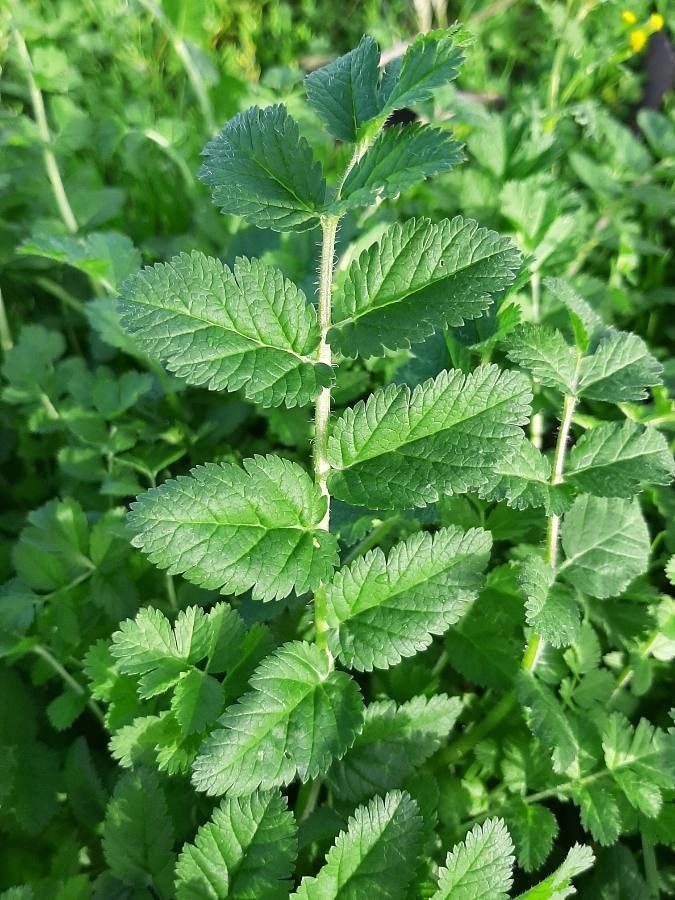
Hello fellow garden enthusiasts! It’s so good to be sharing my passion with you today. We’re diving into the wonderful world of Erodium moschatum, also known as the Musky Stork’s-bill. If you’re drawn to delicate, charming flowers and a plant that offers a lovely, almost ethereal presence in your garden, you’ll adore this one. And the best part? Propagating it is a journey that’s surprisingly accessible, even for those just starting to dip their toes into the plant-propagation pool. It truly is a rewarding experience to nurture a new life from an existing beauty.
The Best Time to Start
For the most successful propagation of Erodium moschatum, I always find that spring is your golden ticket. The plant is bursting with energy after its winter rest, and new growth is readily available. Aim to take cuttings just as the plant is getting into its stride, before the intense heat of summer arrives. This gives your new plantlets ample time to establish before facing any extreme weather.
Supplies You’ll Need
Here’s what you’ll want to gather before we get our hands dirty:
- Sharp, clean pruning shears or a sharp knife: Cleanliness is key to preventing disease.
- Potting mix: A well-draining mix is vital. I like to use a blend of equal parts peat moss or coir, perlite, and a good quality potting soil.
- Small pots or trays: Clean containers with drainage holes are a must.
- Rooting hormone (optional but helpful): A powder or gel can give your cuttings a little boost.
- Watering can or misting bottle: For gentle hydration.
- Labels and a marker: To keep track of your new babies!
Propagation Methods
Let’s walk through the easiest and most effective ways to grow more Musky Stork’s-bill.
Stem Cuttings
This is my go-to method for Erodium moschatum.
- Select healthy stems: Look for non-flowering, actively growing stems that are about 3-4 inches long. These are often found on the sides of the plant.
- Make your cut: Using your clean pruners or knife, make a clean cut just below a leaf node (where a leaf attaches to the stem). This is often where roots will emerge.
- Prepare the cutting: Gently remove the lower leaves, leaving just a few at the top. This prevents them from rotting in the soil. If the leaves are very large, you can even trim them in half to reduce water loss.
- Dip in rooting hormone (optional): If you’re using rooting hormone, dip the cut end into the powder or gel. Tap off any excess.
- Plant your cuttings: Make a small hole in your prepared potting mix with your finger or a pencil. Insert the cutting so that the leaf nodes are buried. Gently firm the soil around the base of the cutting.
- Water gently: Water thoroughly, but avoid waterlogging. A mist from your spray bottle is often enough to settle the soil.
- Provide the right environment: Place the pots in a warm spot with bright, indirect light. Covering the pots with a clear plastic bag or lid can create a mini-greenhouse effect, which helps retain moisture. Remember to open the bag for a few minutes each day to allow for air circulation and prevent mold.
Division
For a quicker way to get more plants, especially from a well-established specimen, division is your friend.
- Carefully dig up the plant: In spring or fall, gently excavate the entire plant from its pot or garden bed.
- Inspect the root ball: Gently loosen the soil. You’ll want to look for natural divisions in the root system.
- Separate the sections: Using your hands or a clean trowel, gently pull apart sections of the plant, ensuring each piece has some roots and at least a few shoots. If two clumps are very tightly intertwined, you can use a clean knife to help separate them.
- Replant immediately: Pot up each division into its own container with fresh, well-draining potting mix. Water them in well.
The “Secret Sauce” (Pro Tips)
Here are a couple of little tricks I’ve picked up over the years:
- Don’t let the leaves touch the water: If you decide to try water propagation (where you root cuttings in water before planting), make sure no leaves are submerged. They will rot quickly and take your cutting down with them.
- Bottom heat is your friend: While not strictly necessary for Erodium moschatum, providing a little gentle warmth from below can significantly speed up root formation. A seedling heat mat or placing your pots on top of a gently warm appliance (like a refrigerator) can do wonders.
Aftercare & Troubleshooting
Once you see signs of new growth on your cuttings, that’s a good indication that roots are forming!
- Gradual acclimatization: If you’ve used a plastic cover, slowly introduce your new plants to drier air by gradually opening the cover more each day over a week.
- Watering: Continue to water moderately, allowing the top inch of soil to dry out between waterings. Avoid overwatering at all costs; it’s the most common killer of young cuttings.
- Troubleshooting: The most common issue you might face is rot, which is usually a sign of too much moisture and poor air circulation. If you see a stem turning mushy or black, sadly, it’s likely gone. Don’t be discouraged! Just remove the affected cutting and try again, perhaps with less water or better ventilation. Another sign of struggle can be yellowing leaves, which might indicate both overwatering or a lack of light.
A Heartfelt Closing
Remember, the garden is a place of learning and patience. Every gardener has lost a cutting or two; it’s all part of the process. Celebrate the successes, learn from the setbacks, and most importantly, enjoy the journey of coaxing new life into your garden. Happy propagating!
Resource:
https://identify.plantnet.org/k-world-flora/species/Erodium%20moschatum%20(L.)%20L’Hér./data