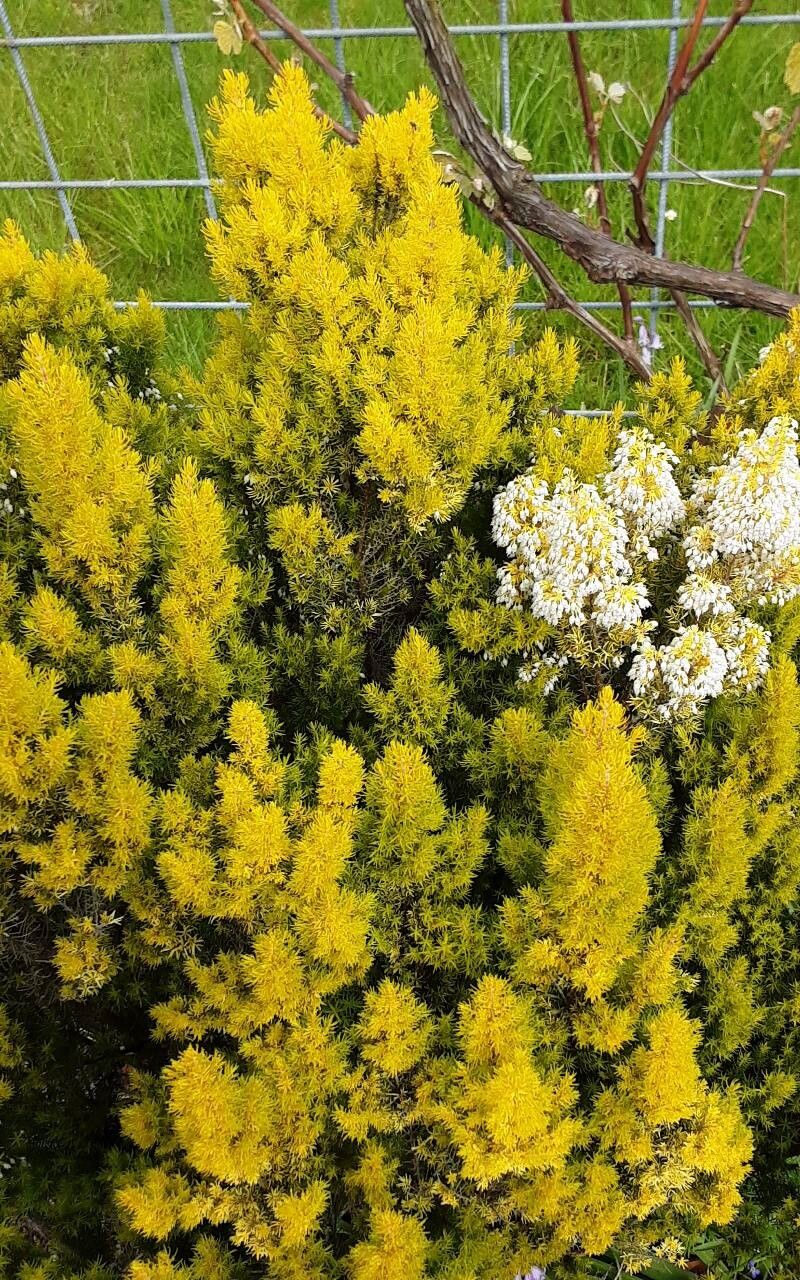
Let’s Grow More of That Gorgeous Portuguese Heath: Your Guide to Propagating Erica lusitanica
Oh, the charms of Erica lusitanica, or Portuguese Heath! That delicate cascade of pink-tinged white bells, the sweetly fragrant blooms that just sing of winter sunshine… it’s a plant that can truly brighten any garden, especially when other things are taking a nap. For me, there’s nothing quite like the satisfaction of coaxing a brand-new shrub into existence from a tiny piece of an existing one. It’s a little bit of magic, and really, a lot of good old-fashioned gardening know-how. Now, I’ll be honest, Erica lusitanica can be a little bit fussy about propagation, but don’t let that deter you! With a few tricks up our sleeves, we can absolutely make it happen.
When Does the Magic Happen? The Best Time to Start
For Erica lusitanica, your best bet is to take cuttings in late spring or early summer. This is when the plant is actively growing, but the stems have started to mature a bit. You’re looking for what we call “semi-ripe” cuttings. They should be bendy enough to snap without breaking cleanly, a sign they’re not too soft and not too woody. Starting around May or June often gives us the longest growing season to get those little guys established.
Your Toolkit for Success: What You’ll Need
Gathering your supplies beforehand makes the whole process smoother. Here’s what I always have on hand:
- Sharp Pruning Shears or a Knife: Clean cuts are crucial for preventing disease.
- Seedling Trays or Small Pots: About 3-inch pots are usually ideal.
- Well-Draining Potting Mix: A mix of 50% peat moss or coco coir and 50% perlite or coarse sand is perfect. Ericas absolutely hate soggy feet, so drainage is key.
- Rooting Hormone: This is a lifesaver for many woody cuttings. I find a powdered hormone works well.
- Small Pebbles or Grit: For drainage in the bottom of pots if you’re not using a very porous mix.
- Plastic Bags or Clear Lids: To create a humid environment for your cuttings.
- Optional: Bottom Heat Mat: This can dramatically speed up root development.
Giving Life: Propagation Methods for Erica lusitanica
The most reliable way to propagate Erica lusitanica is through stem cuttings. Division can be attempted, but it’s often less successful with these heath species. Let’s focus on cuttings!
Method: Semi-Ripe Stem Cuttings
- Prepare Your Cuttings: Using your clean shears, take cuttings about 4-6 inches long from healthy, non-flowering stems. If there are any flowers or buds, snip them off; we want the plant’s energy to go into root production, not flowers.
- Strip the Lower Leaves: Gently remove the leaves from the bottom half to two-thirds of the cutting. This prevents them from rotting in the soil.
- Dip in Rooting Hormone: Dip the cut end of each cutting into your rooting hormone, tapping off any excess. This creates a nice, even coating.
- Pot Them Up: Fill your small pots with the prepared, moist potting mix. Make a small hole in the center of the soil with a pencil or dibber.
- Insert the Cuttings: Place the coated end of the cutting into the hole, pushing it down so that the stripped portion is buried. Gently firm the soil around the base of the cutting to ensure good contact. You can usually get 3-4 cuttings per pot.
- Water Gently: Water the pots thoroughly but gently, making sure the soil is evenly moist.
- Create a Humid Environment: Cover each pot with a clear plastic bag, securing it around the rim with a rubber band or by placing the pot inside a clear plastic propagator lid. This traps moisture and keeps the cuttings from drying out.
- Provide Bright, Indirect Light: Place your pots in a location that gets plenty of bright, indirect light. Avoid direct sunlight, especially during the hottest part of the day, as it can scorch the cuttings and overheat the enclosed environment.
The “Secret Sauce”: My Insider Tips
Over the years, I’ve learned a few little tricks that seem to make all the difference.
- Don’t Drown Them!: While humidity is key, ensure the pots drain freely. If you see water pooling at the bottom, tip it out. Soggy conditions are the fastest way to rot your precious cuttings before they even have a chance to root.
- Bottom Heat is Your Friend: If you have a bottom heat mat (often used for seed starting), pop your pots on it. A consistent, gentle warmth from below (around 70-75°F or 21-24°C) encourages root formation much more quickly than ambient room temperature alone. It’s a real game-changer for trickier woody plants.
- Be Patient with the “Water Test”: When you think roots might be forming (usually after 6-8 weeks, sometimes longer), give the cutting the gentlest tug. If you feel resistance, it’s a good sign roots are developing. Try not to disturb them too much, though! Resist the urge to pull them out and check every day.
Aftercare and When Things Go Wrong
Once you start seeing signs of new growth – a tiny bud unfurling, a fresh shoot emerging – you know your cuttings have rooted!
- Gradual Acclimatization: Slowly ease your new plants into less humid conditions. For the first week, lift the plastic bag or propagator lid for a couple of hours each day. Gradually increase the open time over the next week or two.
- First Watering and Fertilizing: Once they’re fully acclimatized, water them as you would a small established plant. Wait about a month after acclimatizing before giving them their first very dilute feed with a balanced liquid fertilizer.
- Troubleshooting: The Dreaded Rot: If your cuttings turn black and mushy, it’s almost always a sign of too much moisture and/or fungal rot. Ensure your mix has excellent drainage, avoid overwatering, and good air circulation. If blackening starts, it’s usually best to discard those cuttings and start again, focusing on those drainage tips. Sometimes, it just means we haven’t quite hit the sweet spot with timing or conditions, and that’s okay!
Keep Growing!
Propagating plants like Erica lusitanica is a journey. There will be successes, and yes, there might be a few failures along the way – that’s part of the learning curve for all of us gardeners. Don’t be discouraged if your first attempt isn’t perfect. Each time you try, you learn a little more about your plant and your conditions. So, gather your supplies, get your hands in the soil, and enjoy the process of growing more of that beautiful Portuguese Heath. Happy gardening!
Resource:
https://identify.plantnet.org/k-world-flora/species/Erica%20lusitanica%20Rudolphi/data