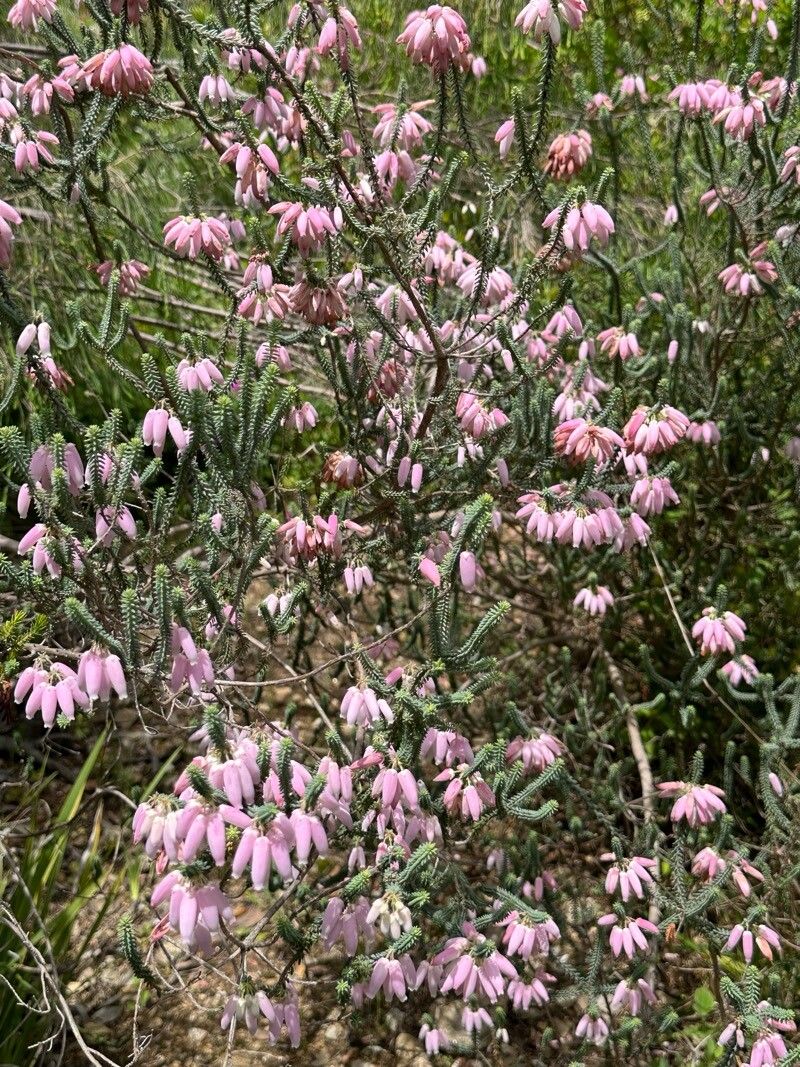
Hey there, fellow plant lovers! Today, we’re diving into the delightful world of Erica bauera, also known as the beautiful Bride’s Heath. Isn’t she lovely? With her delicate, bell-shaped flowers, she brings such an elegant touch to any garden. And the best part? You can bring that beauty into your own life, and even share it with friends, by propagating her yourself.
Now, I won’t lie, Erica bauera can be a tad particular. She’s not exactly the “stick it in dirt and forget it” kind of plant. But don’t let that deter you! With a little care and the right approach, propagating her is absolutely achievable, and oh-so-rewarding.
The Best Time to Start
For Erica bauera, the sweet spot for propagation is late spring to early summer. This is when the plant is actively growing and has plenty of healthy, new shoots that are ready to be transformed into new life. You’re looking for stems that have started to harden slightly but aren’t completely woody. Think of it as that perfect point between soft and green and old and tough.
Supplies You’ll Need
Here’s what you’ll want to have on hand before you get started:
- Sharp, clean pruning shears or a sharp knife: For taking clean cuts.
- Rooting hormone: A powdery or liquid stimulator to encourage root growth.
- Well-draining potting mix: A blend specifically for ericaceous plants or a mix of peat moss, perlite, and a bit of sand. Standard potting soil just won’t cut it!
- Small pots or seed trays: With drainage holes, of course.
- Plastic bags or a propagator lid: To create a humid environment.
- Labels and a marker: So you don’t forget what you’ve planted where!
Propagation Methods: Stem Cuttings
This is my go-to method for Erica bauera. It’s straightforward and often yields the best results.
- Select Your Cuttings: Head out to your Erica bauera and look for those non-flowering, semi-hardwood stems. Aim for pieces about 4-6 inches long.
- Make the Cut: Using your sharp shears or knife, make a clean cut just below a leaf node. This is where roots are most likely to form.
- Prepare the Cuttings: Gently remove the lower leaves. You want to expose a few nodes. If there are any flower buds, pinch those off. It diverts the plant’s energy to root development, not flowering.
- Apply Rooting Hormone: Dip the cut end of each stem into your rooting hormone, tapping off any excess.
- Plant Your Cuttings: Fill your pots or trays with your well-draining mix. Make a small hole with a pencil or your finger and insert the prepared cuttings, ensuring the nodes where you removed the leaves are buried in the soil. Give them a gentle firming.
- Create Humidity: Water the soil gently. Then, loosely cover the pots with a clear plastic bag or place them in a propagator lid. This traps moisture, which is crucial for cuttings.
The “Secret Sauce” (Pro Tips)
Here are a few little tricks I’ve picked up over the years:
- Don’t let the leaves touch the water! If you opt for water propagation (which I generally advise against for Erica bauera as they can be prone to rot), make absolutely sure that no leaves are submerged. They’ll just turn mushy and invite disease. Stick to soil for these beauties.
- Bottom heat is your friend. While not strictly essential, placing your pots on a gentle seedling heat mat can significantly speed up the rooting process. It mimics the warmth of spring soil and gives those roots a real boost.
- Give them a gentle tug. After about 6-8 weeks, give a very light tug on a cutting. If you feel resistance, congratulations – you’ve got roots! If it pulls out easily, sadly, it hasn’t taken.
Aftercare & Troubleshooting
Once you see those lovely new roots forming (you might even see some new growth!), it’s time to transition them.
- Reduce Humidity Gradually: Slowly open the plastic bag or propagator lid over a week or two. This allows the new plants to acclimatize to normal humidity levels.
- Watering: Keep the soil consistently moist but not soggy. Overwatering is the quickest way to invite root rot, which is probably the most common failure for Erica bauera cuttings. If the leaves start to turn yellow and look limp, that’s a big red flag for too much water.
- Light: Place your young plants in bright, indirect light. Avoid direct, scorching sun, which can be too harsh for delicate new growth.
- Transplanting: Once the root system is well-established and you have a good amount of new growth, you can carefully transplant them into individual pots.
I know it sounds like a lot, but honestly, the satisfaction of watching a tiny cutting transform into a thriving plant is unmatched. Be patient, pay attention to their needs, and enjoy the magical process of creating new life from an existing treasure. Happy propagating!
Resource:
https://identify.plantnet.org/k-world-flora/species/Erica%20bauera%20Andrews/data