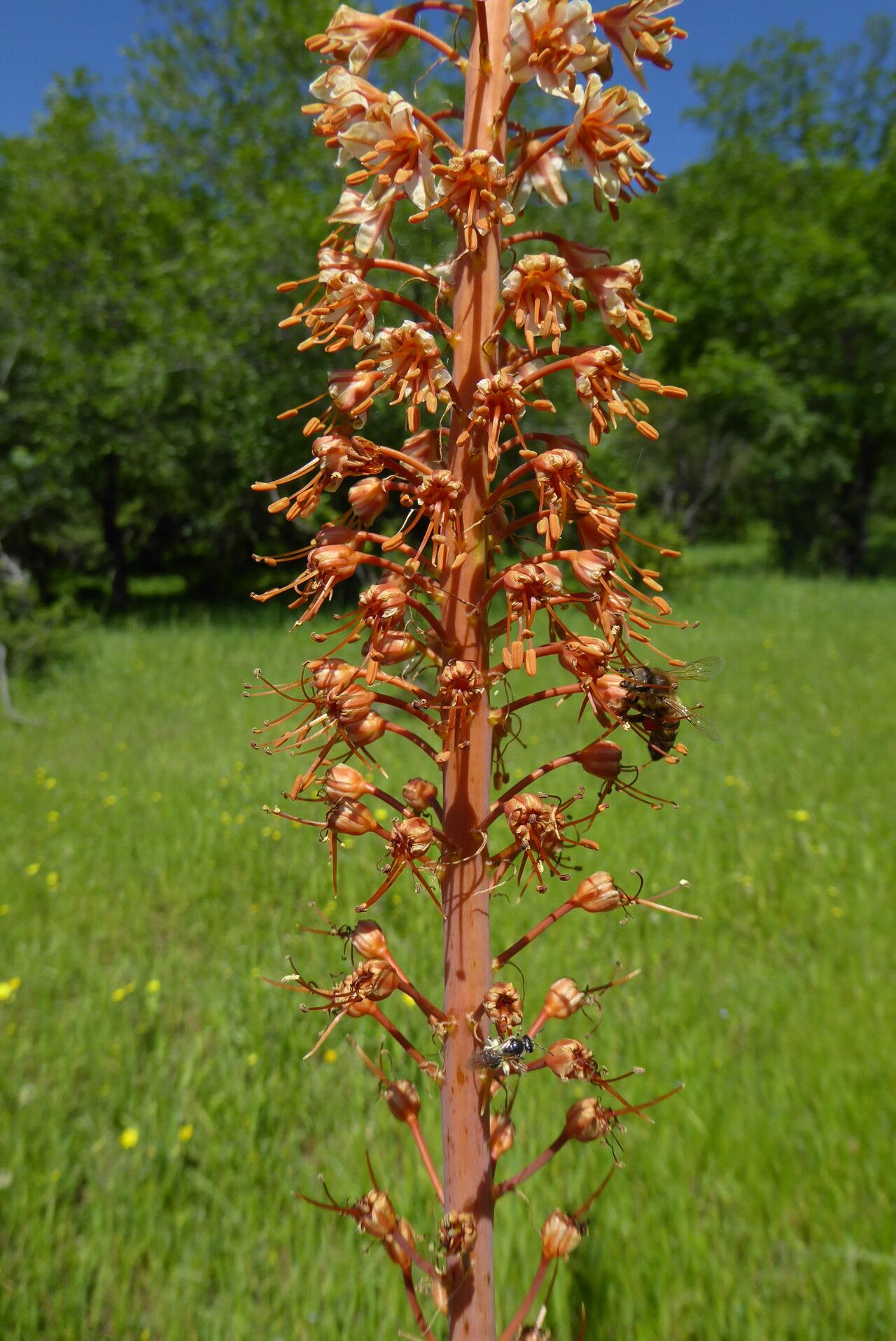
Oh, hello there! Come on in and grab a mug. Today, we’re diving into one of my absolute favorite plants – the Eremurus fuscus. You know, those stunning foxtail lilies that send up those glorious spikes of blooms in late spring or early summer? They’re just breathtaking, aren’t they? Growing them from scratch is incredibly satisfying. It’s a bit of a project, I’ll give you that, but trust me, it’s well worth the effort. For beginners, it’s perhaps a slightly more advanced endeavor, but with a little care, you’ll be rewarded with a whole new generation of these beauties.
The Best Time to Start
The absolute sweet spot for propagating Eremurus fuscus is late summer to early fall. This is when the current year’s growth has matured, and the energy is starting to store in the underground parts. You want to catch them when they’re just settling down after flowering, before the real cold hits. This gives any new divisions or cuttings ample time to establish some initial root growth before winter dormancy.
Supplies You’ll Need
Here’s what you’ll want to have on hand:
- Sharp, clean pruning shears or a small trowel: For dividing and cleaning up roots.
- Well-draining potting mix: A good blend is one part compost, one part perlite, and one part sharp sand.
- Rooting hormone (optional but recommended for cuttings): This can give your cuttings a helpful nudge.
- Small pots or trays: For starting your new plants.
- Labels: Because trust me, you will forget what’s what!
- Watering can with a fine rose: Gentle watering is key.
- Mulch (like straw or shredded bark): For protecting divisions in the ground.
Propagation Methods
For Eremurus fuscus, division is the most common and reliable method. They grow from a fleshy, clumping rootstock that can be carefully separated.
Division Steps:
- Wait for Dormancy: The best time to divide is when the plant is completely dormant, typically in late summer or early fall, or even very early spring before new growth emerges. You’ll see the foliage has died back.
- Carefully Excavate: Gently dig around the plant, loosening the soil. You want to lift the entire root clump out of the ground with as little damage as possible.
Resource:
https://identify.plantnet.org/k-world-flora/species/Eremurus%20fuscus%20(O.Fedtsch.)%20Vved./data