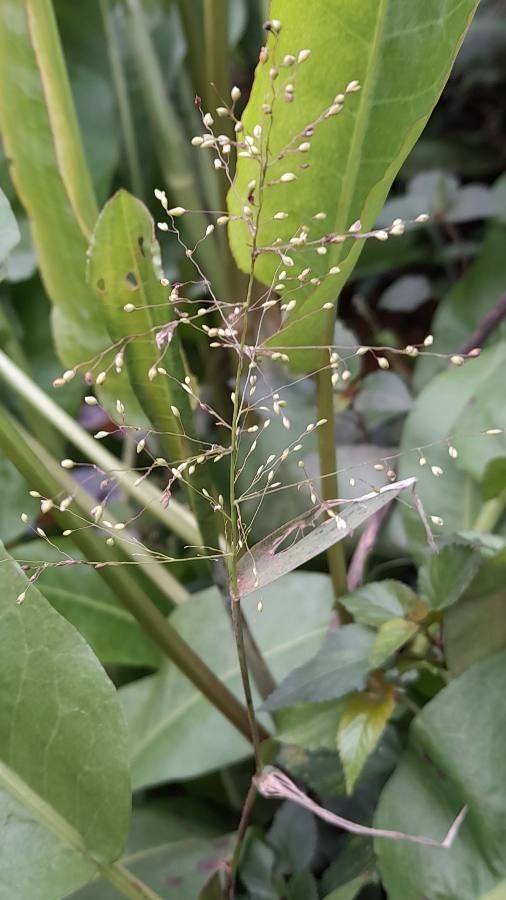
Grow More of That Gorgeous Grass: Your Guide to Propagating Eragrostis airoides
As a gardener, there’s a special kind of joy in seeing a plant thrive and then having the chance to multiply it. Eragrostis airoides, often called ‘weeping love grass’ or ‘common love grass’, is one of those beauties that just makes you want more. Its delicate, airy plumes catch the light beautifully, and it brings such movement and texture to a garden. If you’ve fallen for its charms, you’ll be happy to know that propagating it is a wonderfully rewarding endeavor, and definitely within reach for even novice gardeners!
When’s the Best Time to Get Started?
Timing is everything, as they say, and with Eragrostis airoides, spring is your best friend. As the soil begins to warm up and the plant actively starts putting on new growth, it’s the perfect time to collect your propagating material. Waiting until the active growing season ensures your cuttings or divisions have the energy they need to establish roots quickly.
Your Propagation Toolkit
Gathering your supplies beforehand makes the whole process smoother. Here’s what you’ll want to have on hand:
- Sharp Pruning Shears or Scissors: Clean, sharp tools are key to making clean cuts that heal well.
- Rooting Hormone (Optional but Recommended): A good quality rooting powder or gel can significantly boost your success rate, especially for stem cuttings.
- Sterile Potting Mix: A light, well-draining mix is crucial. I like to use a blend of peat moss or coco coir, perlite, and a bit of compost.
- Small Pots or Seed Trays: Make sure they have drainage holes!
- Watering Can with a Fine Rose: To water gently without disturbing your new cuttings.
- Labels and a Marker: So you don’t forget what you planted and when!
Easy Ways to Grow More Love Grass
Eragrostis airoides is quite obliging when it comes to propagation. The most straightforward and successful methods are division and taking stem cuttings.
Method 1: The Magic of Division
This is my absolute favorite way to multiply established grasses. It’s like giving your plant a haircut and getting a brand-new plant for your trouble!
- Dig Carefully: In spring, when the soil is moist but not waterlogged, dig up your mature Eragrostis airoides plant. You want to get as much of the root ball as possible.
- Assess the Root Ball: Gently shake off some of the excess soil. You’ll see how the plant has grown outwards, forming clumps.
- Separate Gently: Using your hands, a trowel, or even a spade if the clump is large, gently pull or cut the root ball apart into smaller sections. Each section should have its own healthy roots and some foliage. Don’t be afraid to get your hands dirty!
- Replant Immediately: Plant each division into its own pot filled with your sterile potting mix, or directly into a suitable spot in your garden if the weather is favorable. Water thoroughly.
Method 2: Taking Stem Cuttings
This method is perfect if you want to propagate from a plant that’s already quite large or if you’re starting with a smaller specimen.
- Select Healthy Shoots: Look for vigorous, non-flowering shoots that are at least 4-6 inches long. These are the ones with the most energy.
- Make the Cut: Using your sharp shears, make a clean cut just below a leaf node (where a leaf attaches to the stem).
- Prepare Your Cuttings: Remove the lower leaves, leaving just a few at the top. This prevents them from rotting once planted. If you’re using rooting hormone, dip the cut end into the powder or gel now.
- Plant Your Cuttings: Fill your pots or trays with your sterile potting mix. Gently insert the cut end of each stem into the soil, burying it deep enough so it’s supported. You can plant several cuttings in one pot, but give them a little space.
- Water and Cover: Water them in gently. To create a humid environment that encourages rooting, I like to cover the pots with a plastic bag or a clear dome, making sure the leaves don’t touch the plastic. This helps retain moisture.
The “Secret Sauce” from My Garden to Yours
Here are a couple of tricks I’ve learned over the years that really make a difference:
- The Bottom Heat Trick: Especially for stem cuttings, providing gentle bottom heat can really speed up root development. I often use a seedling heat mat or simply place the pots on top of my refrigerator (which often gives off a low, consistent warmth). The warmth encourages root growth from below.
- Don’t Drown Them! While humidity is good, overwatering is the quickest way to kill a new cutting or division. Ensure your pots have excellent drainage. If you’re using the plastic bag method, check the soil daily and blot away any excess condensation. You want it consistently moist, not soggy.
Aftercare and What to Watch For
Once your Eragrostis airoides starts to show signs of life – perhaps new shoots emerging or a slight tug on the cutting indicating root resistance – you’re on your way!
- Gently Acclimate: If you covered your cuttings, gradually introduce them to open air over a week or so. Remove the plastic for increasing periods until they are fully exposed.
- Water Wisely: Continue to water them whenever the top inch of soil feels dry. As they grow stronger, you can start feeding them with a diluted liquid fertilizer every few weeks.
- Signs of Trouble: The most common enemy is rot, which usually comes from overwatering or poor drainage. You’ll notice the stems becoming mushy and brown, or the entire cutting might wilt and collapse. If you see this, try to remove the affected part immediately and ensure better airflow and less water. If a division looks like it’s struggling, too much sun can also be an issue, so move it to a shadier spot temporarily.
Happy Little Grasses!
Propagating plants like Eragrostis airoides is such a fulfilling part of gardening. It’s a process that teaches you patience and observation. Don’t get discouraged if not every single cutting or division thrives – that’s just part of the learning curve! With a little care and these tips, you’ll soon be enjoying even more of that lovely, wispy grass in your garden. Happy growing!
Resource:
https://identify.plantnet.org/k-world-flora/species/Eragrostis%20airoides%20Nees/data