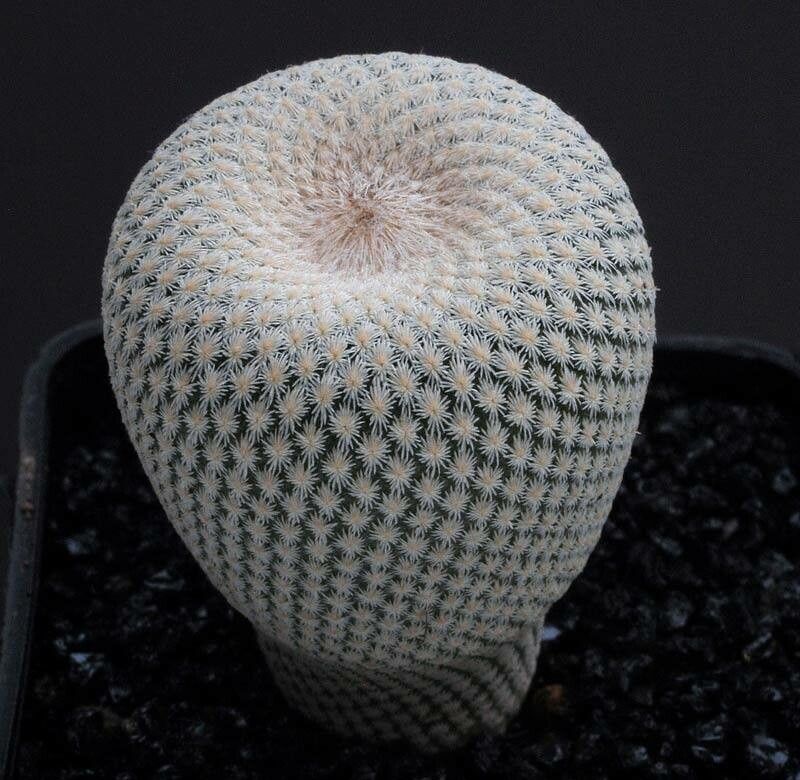
Hey there, fellow plant lovers! It’s your resident garden enthusiast, back with another dive into the wonderful world of making more green babies. Today, we’re talking about a truly special little gem: Epithelantha bokei.
The Allure of Epithelantha Bokei
If you haven’t met Epithelantha bokei yet, prepare to be charmed. This tiny cactus, often called the Button Cactus, is just adorable. Its body is covered in delicate, white, bristle-like spines, giving it a fuzzy, almost ethereal appearance. They bloom with tiny pink flowers, which are an absolute delight. Propagating them is so satisfying. It’s like giving the gift of more beauty to your friends, or simply expanding your own collection without breaking the bank. Now, is it beginner-friendly? Honestly, it’s a little more on the delicate side, but with a few key pointers, you’ll be well on your way.
The Best Time to Start
Timing is everything in the garden, and with Epithelantha bokei, we want to work with its natural rhythm. The absolute best time to propagate is during its active growing season, which is typically late spring through summer. This is when the plant has the most energy to heal from cuttings and produce new roots. Trying to propagate when it’s dormant in the winter is a recipe for disappointment.
Supplies You’ll Need
Gathering your tools beforehand makes the whole process much smoother. Here’s what I usually have on hand:
- Well-draining cactus/succulent potting mix: You can buy this pre-made, or mix your own with perlite and coarse sand.
- Sharp, sterilized pruning shears or a sharp knife: Cleanliness is crucial to prevent disease.
- Rooting hormone powder (optional but recommended): This can give your cuttings a helpful boost.
- Small pots or seedling trays: Something shallow is perfect.
- Spray bottle: For gentle watering.
- Gravel or perlite: For excellent drainage at the bottom of pots.
- Gloves: While Epithelantha bokei isn’t spiny like a monster cactus, some people are sensitive.
Propagation Methods
For Epithelantha bokei, the most reliable method is offsets, also known as “pups.” These are small plantlets that naturally grow from the base of the mother plant.
- Locate the Offsets: Gently inspect the base of your Epithelantha bokei. You’ll often find little baby plants nestled close to the main stem.
- Carefully Detach: Using your sterilized shears or knife, carefully cut or gently twist the offset away from the mother plant. Try to get a bit of its own root system if possible.
- Allow to Callus: This is a critical step! Place the detached offset in a dry, well-ventilated spot for 2-3 days. This allows the cut end to form a callus, which prevents rot when it’s planted.
- Planting the Offset: Fill your small pot with your well-draining cactus mix and a layer of gravel at the bottom. Make a small hole in the soil and gently place the callused end of the offset into the soil. Don’t bury it too deep. The goal is for it to stand upright.
- Initial Watering: Do NOT water immediately. Wait for at least a week after planting. Then, water very sparingly with your spray bottle, just enough to moisten the surface of the soil.
The “Secret Sauce” (Pro Tips)
Here are a couple of things I’ve learned over the years that really make a difference:
- Gentle Humidity, Not Wet Feet: While you’re waiting for roots, you want to keep the environment a little humid, but the soil should never be soggy. Imagine a light mist in the air, not a swamp. Too much moisture on the base is an invitation for rot.
- Bottom Heat is Your Friend: If you can, placing your pots on a gentle heat mat designed for seedlings can significantly speed up root formation. It mimics the warmth of summer soil and encourages those roots to start exploring.
Aftercare & Troubleshooting
Once your offset shows signs of rooting – like new growth or it resisting a gentle tug – you can start watering a bit more regularly, but still allowing the soil to dry out between waterings. Think of it as caring for a very small, very sensitive cactus.
The biggest enemy here is rot. If you see your offset turning mushy or black at the base, it’s likely succumbed to rot. This usually happens due to overwatering or not letting a callus form properly. If you spot it early, you might be able to cut away the rotted part and try callusing again, but often, it’s beyond saving. Don’t get discouraged! It happens to all of us.
A Little Patience Goes a Long Way
Propagating Epithelantha bokei is a gentle art. It requires a bit of patience and observation, but witnessing those tiny roots begin to form and the little plant stand strong is incredibly rewarding. Enjoy the process, learn from each attempt, and soon you’ll have a whole little cluster of these beauties! Happy gardening!
Resource:
https://identify.plantnet.org/k-world-flora/species/Epithelantha%20bokei%20L.D.Benson/data