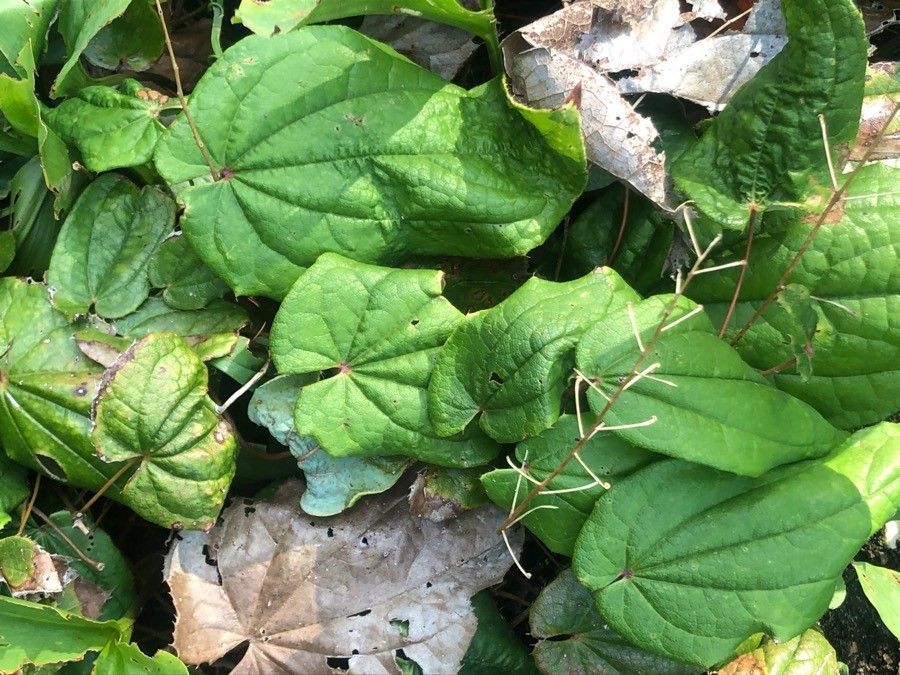
Oh, hello there! Grab a mug of your favorite brew, because I want to chat with you about one of my absolute favorite woodland plants: Epimedium baojingense. If you’ve ever seen this beauty gracing a shady garden corner, with its delicate, ethereal flowers and lovely foliage, you’ve probably fallen a little bit in love. And guess what? You can have more of them!
Propagating plants can feel a bit like magic, can’t it? It’s incredibly satisfying to take a piece of a plant you already adore and help it grow into a whole new life. Epimedium baojingense isn’t the most difficult plant to propagate, but it does appreciate a bit of thoughtful attention. It’s a rewarding little project that will fill your shade garden with even more fairy-like blooms.
The Best Time to Start
For Epimedium baojingense, I’ve found the sweet spot for propagation is late spring to early summer, right after its blooming period has finished. This is when the plant is actively growing and has plenty of energy to put into developing new roots and shoots. Waiting until after the flowers fade means you won’t be missing out on its delightful display, and the new growth is plump and ready to go.
Supplies You’ll Need
You don’t need a whole fancy setup for this, just a few trusty tools and materials:
- Sharp, sterile pruning shears or a clean knife: A clean cut is essential to prevent disease.
- Rooting hormone (optional but recommended): This really gives cuttings a boost. I prefer a powder form.
- Small pots or trays: About 4-6 inches deep are ideal.
- A well-draining potting mix: I like a blend of peat moss, perlite, and a little bit of compost. You want something that won’t hold too much moisture.
- Plastic bags or a propagation dome: To create a humid environment for your cuttings.
- Watering can with a fine rose attachment: Gentle watering is key.
- Labels and a pen: To keep track of what you’ve planted and when.
Propagation Methods
The most reliable way to propagate Epimedium baojingense is through division, but you can also have success with stem cuttings. Let’s look at both.
Division (My Favorite Method)
This is generally the easiest and most successful way to increase your Epimedium stock.
- Dig Carefully: In late spring or early summer, gently dig up the entire clump of your Epimedium with a spade, trying to disturb the roots as little as possible.
- Loosen the Soil: Gently shake off excess soil. You’ll see the rhizomatous roots.
- Divide the Rhizomes: With clean hands or a trowel, carefully pull apart the clumps. You’re looking for sections that have at least one healthy-looking shoot with some attached roots. If a section is really tough, you can use your clean knife to make a cut. Don’t be afraid to divide them into smaller pieces – they are quite resilient!
- Replant Immediately: Dig holes in your prepared garden bed or pots, large enough to accommodate the divisions. Plant them so the top of the rhizome is just barely covered by soil. Water them in well.
Stem Cuttings
This method takes a bit more patience, but it’s a wonderful way to utilize the leafy stems.
- Take Cuttings: In late spring or early summer, select vigorous, leafy stems that are about 4-6 inches long. Use your sterile shears to make a clean cut just below a leaf node (where a leaf attaches to the stem).
- Prepare the Cuttings: Remove the lower leaves, leaving only a couple of leaves at the very top. If the remaining leaves are very large, you can cut them in half horizontally to reduce water loss.
- Apply Rooting Hormone: Dip the cut end of each stem into rooting hormone. Tap off any excess.
- Plant the Cuttings: Fill your pots or trays with your prepared potting mix. Make a hole with a pencil or your finger. Insert the cutting into the hole, making sure the leaf nodes are buried in the soil, as this is where roots will form. Gently firm the soil around it.
- Create a Humid Environment: Water the cuttings gently. Then, cover the pots with a plastic bag or place them inside a propagation dome. This keeps the humidity high! Make sure the leaves aren’t touching the plastic if possible.
The “Secret Sauce” (Pro Tips)
Here are a few little tricks I’ve picked up over the years that can really make a difference with your Epimedium propagation:
- Don’t Drown Them: While humidity is crucial for cuttings, overwatering is the quickest way to send your delicate cuttings to an early grave. The soil should be consistently moist, but never soggy. It’s better to err on the side of slightly too dry than too wet when you’re just starting out.
- Bottom Warmth is Your Friend (for Cuttings): If you’re doing stem cuttings, placing your pots on a warm propagation mat can significantly speed up rooting. The warmth encourages root development from below, giving your cuttings that extra push.
- Patience, Young Grasshopper! Epimedium isn’t a super-fast propagator. For divisions, you’ll see new growth relatively quickly. For cuttings, it can take several weeks to a few months for roots to develop. Don’t panic if you don’t see immediate results!
Aftercare & Troubleshooting
Once your divisions are replanted or your cuttings show signs of new leaf growth (a great indicator that roots are forming!), you can start easing them out of their highly humid conditions.
- Gradually Acclimate: For cuttings, gradually increase ventilation by opening the plastic bag or dome a little more each day over a week or two. This helps them adjust to normal garden humidity.
- Keep Them Moist: Continue to water them gently, especially during dry spells. Avoid letting them dry out completely, but also don’t let them sit in waterlogged soil.
- First Winter: For the first winter, it’s a good idea to mulch divisions or young cuttings generously with straw or shredded bark. This helps protect their developing root systems from harsh freezes.
The most common problem you’ll encounter, especially with cuttings, is rot. If you see stems turning black and mushy, it’s a clear sign of too much moisture. Unfortunately, there’s not much you can do once rot sets in, so preventative care with watering and good air circulation is key.
A Little Encouraging Word
Propagating Epimedium baojingense is such a delightful journey. Embrace the process, celebrate every tiny new leaf, and don’t get discouraged if a few don’t make it. The satisfaction of nurturing these beautiful plants from small beginnings is truly immense. Happy propagating!
Resource: