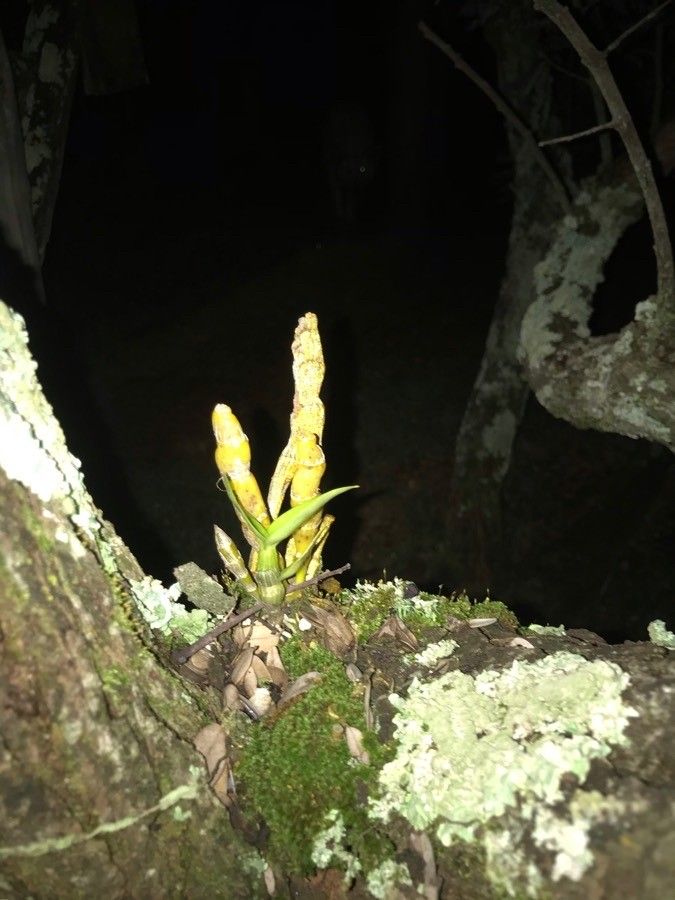
Hello fellow plant lovers! Today, we’re diving into the wonderful world of Epidendrum angustisegmentum. If you’ve ever seen this delightful orchid, you know what I mean. Its slender, elegant stems and vibrant blooms bring a splash of true joy to any space. And the best part? You can easily multiply this beauty yourself!
Propagating this particular Epidendrum is a truly rewarding experience. It’s not overly fussy, making it a fantastic option for those of you just starting your orchid journey. Seeing those tiny roots emerge and a new plant take hold is such a thrill.
The Best Time to Start
When it comes to getting the best results, timing is everything. I find that the late spring through early summer is the sweet spot for most orchids, and Epidendrum angustisegmentum is no exception. This is when the plant is actively growing and has plenty of energy to put into developing new roots and shoots. You want to start when the plant is looking healthy and robust, not when it’s stressed or dormant.
Supplies You’ll Need
Here’s a little checklist to get you prepped for success:
- Sharp, sterilized pruning shears or a clean knife: Essential for making clean cuts.
- Orchid bark mix: A free-draining blend is key. I usually go for a medium grade.
- Orchid pots or small containers: Something with good drainage is a must. Tiny 3-inch pots are perfect for new starts.
- Small stakes or bamboo skewers: To help support cuttings if needed.
- Rooting hormone (optional but helpful): A little boost can get things moving.
- Spray bottle: For keeping humidity up.
- Waterproof marker: To label your new babies!
Propagation Methods
The simplest and most successful way I’ve found to propagate Epidendrum angustisegmentum is through stem cuttings, also sometimes called keikis or cane cuttings.
- Find a healthy stem: Look for a mature stem that has at least two or three healthy “nodes.” These are the slight bumps or rings along the stem where leaves emerge – they’re also where new growth will sprout.
- Make the cut: Using your sterilized shears, make a clean cut just below a node. You can take sections of the stem, aiming for pieces that are about 4-6 inches long and have at least two healthy nodes.
- Prepare the cutting: Gently remove any lower leaves that might be damaged or would end up below the potting medium. If you’re using rooting hormone, dip the cut end into the powder.
- Planting the cutting: Place the cut end of your stem into your prepared orchid bark mix. Make sure at least one node is buried just under the surface. You can use a small stake to gently support the cutting if it seems wobbly.
- Water gently: Water your new cutting lightly. The goal is to have the bark moist, but not soggy.
Water propagation can also work, though I find it a bit trickier for this particular orchid. If you choose this method:
- After making your stem cuttings as above, ensure any leaves that would sit in the water are removed.
- Place the cuttings in a clean jar or vase with distilled or filtered water.
- Crucially, make sure no leaves are submerged. They will rot very quickly in water.
- Change the water every few days to keep it fresh. Roots will eventually emerge.
The “Secret Sauce” (Pro Tips)
Here are a couple of things I’ve learned over the years that really make a difference:
- Bottom heat is your friend: Orchids love warmth, and your cuttings will too. Placing your potted cuttings on a heat mat designed for plants can significantly speed up root development. Just be careful it doesn’t dry out your potting mix too quickly.
- Don’t overwater, ever: This is probably the single biggest mistake beginners make. These cuttings don’t have established roots yet, so they can easily succumb to rot if their medium stays too wet. Let the bark almost dry out between waterings. You’ll learn to gauge this by the weight of the pot and the look of the bark.
Aftercare & Troubleshooting
Once you see those first signs of new growth – perhaps a tiny green nub emerging from a node or the start of a root peeking out – you’re on the right track! Continue to water lightly and consider lightly misting the leaves to maintain humidity.
The most common problem you’ll encounter is rot. If the cutting turns black and mushy, it’s usually a sign of too much moisture and not enough air circulation. If you spot this, trim away the rot with your sterile shears and try again, ensuring you let the potting mix dry out more between waterings. Sometimes, especially with water propagation, the cutting just won’t take. Don’t get discouraged; it’s part of the learning process!
A Little Patience Goes a Long Way
Propagating plants is a journey, and Epidendrum angustisegmentum is a wonderful companion on that path. Be patient, observe your cuttings closely, and celebrate every little success. Soon enough, you’ll have a whole collection of these charming orchids to share or simply to enjoy yourself. Happy growing!
Resource: