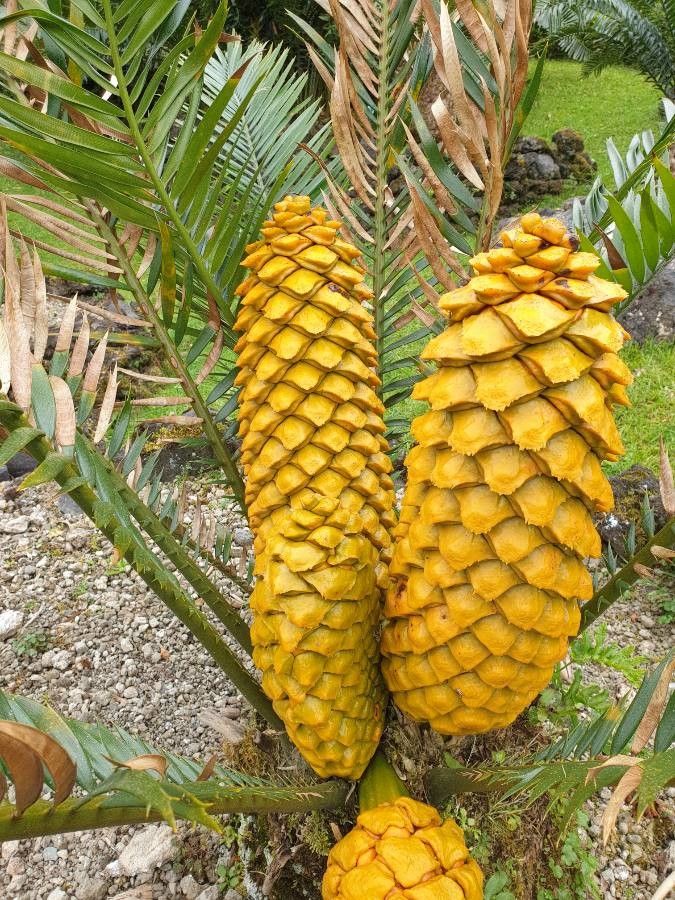
Oh, Encephalartos aplanatus! Isn’t it just a stunner? Those architectural leaves, the ancient Vibe it brings to the garden… I just adore them. If you’ve ever found yourself gazing at a mature specimen, wishing you could bring that magic into more corners of your landscape, or even share it with a fellow plant lover, then propagating your own is a truly wonderful journey. It’s a bit of a labour of love, for sure, and I wouldn’t necessarily put it in the “beginner’s effortless success” category, but with a little patience and the right approach, it’s absolutely achievable. Think of it as a rewarding challenge that’ll bring you even closer to these incredible plants.
The Best Time to Start
For Encephalartos aplanatus, like many cycads, the late spring and early summer are your golden ticket. This is when the plant is actively putting on new growth and has plenty of energy reserves from the warmer months to dedicate to rooting. You’re looking for a time when temperatures are consistently warm, but ideally not scorching hot. Avoid attempting this during a cold snap or when the plant is dormant in winter.
Supplies You’ll Need
Gathering your tools beforehand makes the whole process so much smoother. Here’s what I’ve found works best:
- Sharp, sterile pruning shears or a sharp knife: Cleanliness is key to preventing disease.
- A well-draining potting mix: I personally love a blend of perlite, coarse sand, and a good quality potting soil. You want something that won’t hold onto excess moisture. For cycads, a mix designed for succulents or cacti is often a great starting point.
- Rooting hormone powder or gel: This isn’t strictly essential for all cycads, but it can give your cuttings a significant boost, especially if they’re a bit slower to root.
- A well-draining pot or container: Terra cotta pots are fantastic because they allow the soil to breathe and dry out more evenly.
- Optional: A heat mat: This is a game-changer, especially if your climate is cooler.
- Labels and a permanent marker: So you don’t forget what you’ve planted!
Propagation Methods
Encephalartos aplanatus primarily propagates through offsets (pups), which are smaller plants that grow from the base of the mother plant. This is generally the most straightforward and successful method.
Propagating Offsets (Pups):
- Identify a healthy offset: Look for a pup that is at least a quarter to a third of the size of the mother plant. It should have its own established root system, or at least show signs of developing one.
- Gently separate the pup: This is the most critical step. You want to carefully dig around the base of the offset with your trowel or knife, trying to expose as much of its developing root system as possible. Ideally, you’ll be able to detach it with a good chunk of root still attached. If you have to cut it free with a knife, make sure it’s a clean cut.
- Allow the wound to callous: Once separated, dust the cut end with rooting hormone (if using) and then let the pup air dry in a shaded, well-ventilated spot for a few days to a week. This “callousing” process is crucial. It allows the cut to dry and form a protective layer, greatly reducing the risk of rot when you plant it.
- Plant the pup: Fill your pot with your well-draining potting mix. Make a small hole in the center and gently place the calloused offset in, ensuring the base is nestled nicely into the soil. You don’t want to bury it too deep, just firm the soil around it.
- Water sparingly: After planting, give it a very light watering. You want the soil to be slightly moist, but not soggy. From this point on, water only when the soil has dried out significantly.
The “Secret Sauce” (Pro Tips)
After years of tinkering, a few little tricks have made a big difference for me:
- Think “dry conditions” for rooting: Cycads, especially young ones, are incredibly susceptible to rot. When establishing, err on the side of underwatering. Let that soil get truly dry between waterings. It’s much easier to revive a dry plant than a waterlogged one.
- Bottom heat is your friend: Placing your potted pups on a gentle heat mat can really encourage root development. It mimics the warm soil conditions they love and speeds up the whole process. Just make sure the heat isn’t too intense – a gentle warmth is all you need.
- Patience is paramount, and I mean real patience: Don’t be alarmed if you don’t see new leaf growth for several months, even up to a year. The plant is busy building its root system underground. Trust the process and resist the urge to constantly dig it up to check.
Aftercare & Troubleshooting
Once your pup has established a healthy root system – you might start to see a tiny bit of new growth emerging from the center, or it will feel more stable when gently tugged – you can gradually increase its watering frequency slightly, still allowing the soil to dry out between waterings. Move it to a location with bright, indirect light.
The biggest enemy you’ll face is rot. If you notice the pup starting to look soft, mushy, or developing black, foul-smelling spots, especially at the base, it’s likely rot. If caught early, you can try cutting away the rotted tissue with a sterile knife, dusting with sulfur powder (a natural antifungal), and letting it callous again before attempting to replant in fresh, dry soil. Unfortunately, if the rot is extensive, the pup may not recover. Overwatering is the usual culprit here.
A Encouraging Closing
Nurturing a new Encephalartos aplanatus from a pup is such a rewarding feeling. It’s a beautiful way to connect with these venerable plants and to share their majesty. Be patient with them, trust your instincts, and enjoy every step of watching your new cycad unfurl its story. Happy propagating!
Resource:
https://identify.plantnet.org/k-world-flora/species/Encephalartos%20aplanatus%20Vorster/data