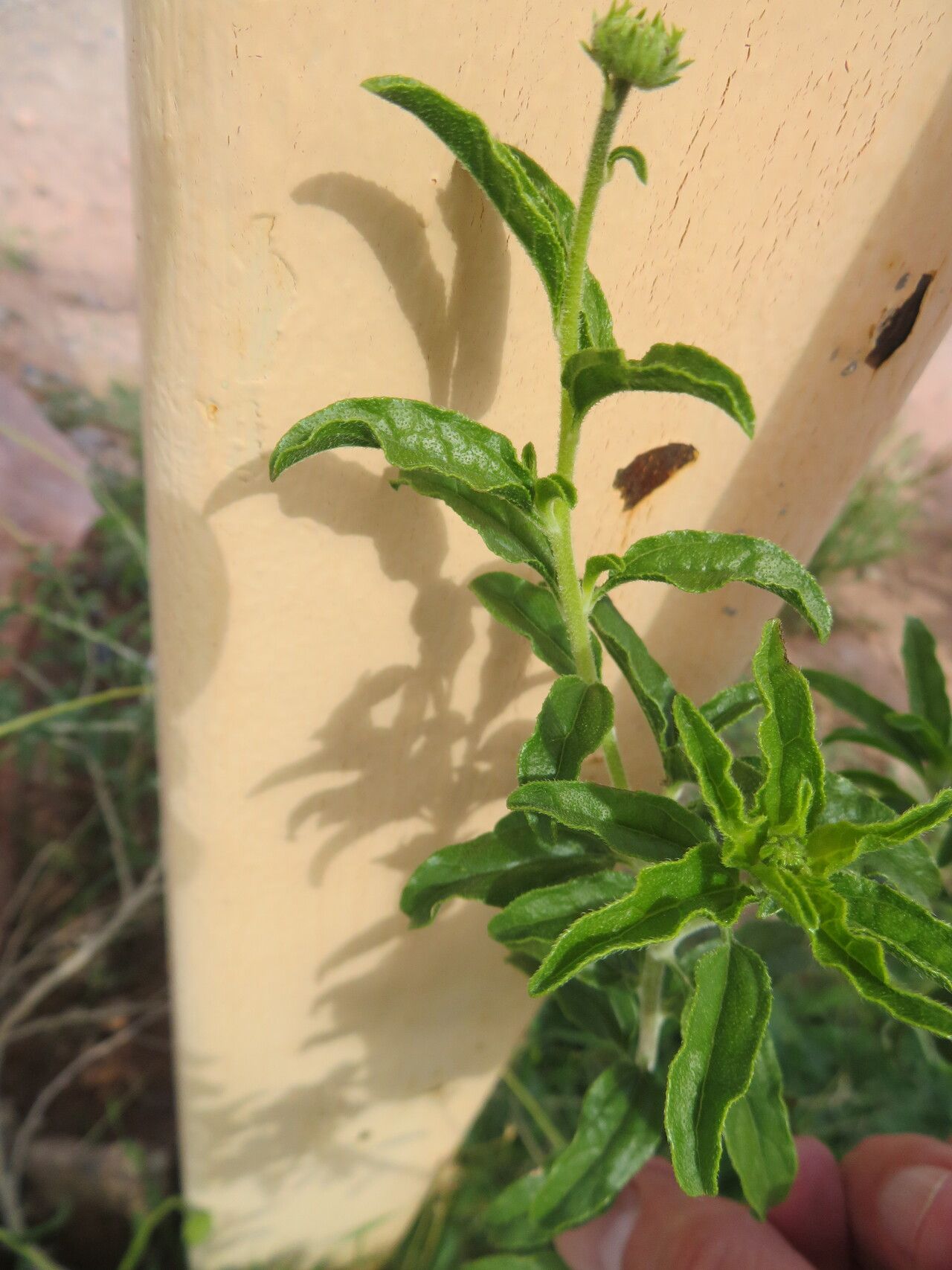
Hello there, fellow plant enthusiasts! I’m so glad you’ve found your way to my little corner of the gardening world. For the past two decades, I’ve been getting my hands dirty, coaxing life from seeds, cuttings, and divisions. Today, I want to talk about a desert beauty that’s captured my heart: Encelia virginensis, or Annual Desert Sunflower.
Why Grow Encelia Virginensis?
If you’re looking for a cheerful burst of sunshine in your garden, Encelia virginensis is your answer. These cheerful daisy-like flowers, typically bright yellow, bring a touch of the wild southwest right to your doorstep. They’re tough, drought-tolerant, and absolutely stunning when in full bloom. Propagating them is not only rewarding in that you get more of their sunny disposition, but it’s also a fantastic way to fill in those sparser spots in your landscape or share them with friends. For beginners, I’d say Encelia virginensis is generally quite approachable. It’s forgiving and responds well to a few simple tricks.
The Best Time to Start
For this particular charmer, the sweet spot for propagation is generally during its active growing season. I find that taking cuttings in late spring to early summer, after the initial flush of blooms has passed but before the intense summer heat really sets in, yields the best results. If you’re thinking about division, aim for early spring, just as new growth is beginning to emerge.
Supplies You’ll Need
Gathering your supplies beforehand makes the whole process so much smoother. Here’s what I like to have on hand:
- Sharp, clean pruning shears or a sharp knife: Essential for making clean cuts.
- Rooting hormone (optional, but helpful): A powdered or liquid hormone can give cuttings a little boost.
- Well-draining potting mix: A blend of perlite, pumice, and a bit of compost works wonders. You can also use a cactus/succulent mix.
- Small pots or seed trays: Clean containers are key to preventing disease.
- Watering can or spray bottle: For gentle watering.
- Optional: A propagation mat: This can be a game-changer for encouraging root development with bottom heat.
Propagation Methods: Getting Started
Encelia virginensis is pretty adaptable, and I’ve had success with a couple of methods.
Stem Cuttings: My Go-To
This is my preferred method for increasing my Encelia population. After the plant has finished its initial bloom cycle or is actively growing:
- Select a healthy stem: Look for a non-flowering stem that’s about 4-6 inches long. It should be firm, not woody or too soft.
- Make a clean cut: Using your sharp shears or knife, make a cut just below a leaf node (where a leaf attaches to the stem).
- Strip lower leaves: Remove the leaves from the bottom half of the cutting. This prevents them from rotting in the soil and encourages the plant to focus its energy on root formation.
- Apply rooting hormone (optional): Dip the cut end into rooting hormone, tapping off any excess.
- Plant your cutting: Insert the cut end into your prepared potting mix. Make sure at least one leaf node is buried.
- Water gently: Water the soil thoroughly but avoid making it waterlogged. You can mist the leaves lightly too.
- Provide the right environment: Place the pot in a bright spot but out of direct, harsh sunlight. A bit of humidity can be beneficial, so you might cover the pot loosely with a plastic bag or a propagation dome.
Division: For Established Plants
If you have a more mature Encelia virginensis plant that’s looking a bit crowded, division is a great option.
- Gently excavate: In early spring, carefully dig around the base of the plant.
- Separate the clumps: Once the root ball is exposed, you can gently separate the plant into smaller sections. Try to ensure each section has a good amount of roots and at least a few healthy shoots. You might need to use your fingers or a clean trowel to help divide stubborn sections.
- Replant immediately: Give each division a new home in well-prepared, well-draining soil. Water them in well.
The “Secret Sauce” (Pro Tips)
Here are a couple of things I’ve learned over the years that seem to make a difference:
- Don’t let the leaves touch the water when water propagating (if you choose that route): While I primarily use soil for Encelia, if you ever tried water propagation, remember to remove lower leaves so they aren’t submerged. Rot can set in quickly! However, for Encelia virginensis, soil is generally more reliable.
- Bottom heat is your friend: Placing your pots on a propagation mat set to a gentle warmth (around 70-75°F) can significantly speed up root development. It mimics the warm soil conditions the plant loves.
- Be patient with rooting hormone: While it helps, if your cuttings haven’t rooted after a few weeks, don’t give up immediately. Sometimes they just take their sweet time. Gently tugging on a cutting (very gently!) is a way to feel for root resistance.
Aftercare & Troubleshooting
Once your cuttings have developed a decent root system (you’ll usually see new growth on the stem, and they’ll be harder to pull out of the soil), it’s time to treat them more like established plants.
- Gradually acclimate: If you’ve had them covered, start by removing the cover for a few hours each day. Slowly increase this time until they’re fully uncovered.
- Water as needed: Water when the top inch of soil feels dry. Remember, they are desert natives, so they don’t like soggy feet.
- Provide good light: Move them to a spot with plenty of sunlight.
- Watch for rot: The most common sign of failure is rot, which appears as mushy stems or leaves. This is usually due to overwatering or poor drainage. If you see this, sadly, it’s usually time to start over. Make sure your soil drains exceptionally well moving forward.
Happy Growing!
Propagating Encelia virginensis is a wonderful way to multiply the joy of these incredible plants. Don’t get discouraged if your first few attempts aren’t perfect; gardening is all about learning and adapting. Be patient, enjoy the process of coaxing new life, and soon you’ll be surrounded by a dazzling display of desert sunshine. Happy gardening!
Resource:
https://identify.plantnet.org/k-world-flora/species/Encelia%20virginensis%20A.Nelson/data