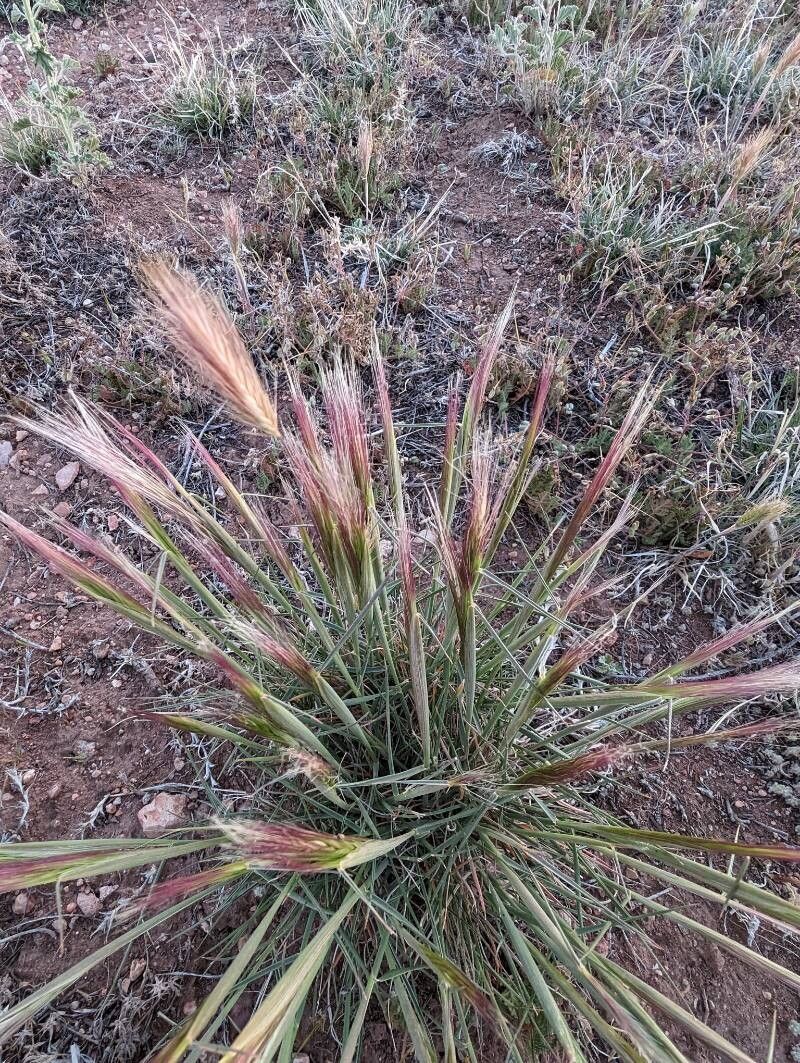
Hello there, fellow garden enthusiasts! Today, I want to chat about a grass that really captures my heart: Elymus elymoides, or more commonly known as Squirrel Tail Grass. It’s got this fantastic, architectural quality with its upright flower spikes that truly stand out. Bringing more of this beauty into your garden by propagating it yourself is incredibly rewarding. And guess what? It’s a friendly plant for beginners to try their hand at!
The Best Time to Start
For Elymus elymoides, the sweet spot for propagation is late spring or early summer. This is when the plant is in active growth, meaning it has the energy to focus on developing new roots. You’re looking for healthy, established plants that are producing vigorous new shoots.
Supplies You’ll Need
Here’s what you’ll want to have on hand before you get started:
- Sharp pruning shears or a clean knife: For making precise cuts.
- Well-draining potting mix: A good blend of peat moss, perlite, and compost works wonders. You can also find specific gritty mixes for grasses.
- Small pots or seed trays: Clean and with drainage holes!
- Rooting hormone (optional but recommended): A powder or gel can give your cuttings a helpful boost.
- Watering can with a fine rose: To water gently without disturbing new roots.
- Labels and a marker: To keep track of what you’ve planted and when.
Propagation Methods
The most straightforward way to propagate Elymus elymoides is through division. This is like giving your plant a healthy haircut and getting new plants in the process!
- Prepare Your Plant: Gently dig up your established Elymus elymoides clump. It’s best to do this when the soil is slightly moist, as it makes digging easier.
- Locate the Divisions: Once the plant is out of the ground, you’ll want to look for natural breakout points. You’ll see individual leafy shoots emerging from the main root ball.
- Divide Carefully: Gently pull the clump apart with your hands or use your clean knife or shears to cut through the rhizomes (the underground stems connecting the shoots). Aim for divisions that have at least a few stems and a decent amount of root attached.
- Trim Excess Foliage: To help the new divisions focus their energy on root development, I like to trim back some of the foliage. Remove about a third to half of the leafy growth. This reduces moisture loss.
- Plant Your Divisions: Fill your clean pots with your well-draining potting mix. Make a small hole in the center and place your division in, ensuring the roots are spread out. Gently firm the soil around it.
- Water Thoroughly: Water the newly potted divisions generously until water runs out of the drainage holes. This settles the soil and helps prevent air pockets.
The “Secret Sauce” (Pro Tips)
Here are a few little tricks I’ve learned over the years that make a big difference:
- Don’t be afraid to get a little rough (but controlled!): When dividing, sometimes you need to gently work with the roots to tease them apart. A snapped rhizome with some intact root is usually just fine for a new plant.
- Give them a cozy spot: Newly divided grasses appreciate a bit of shelter initially. Place them in a location that gets bright, indirect light and is protected from harsh winds, which can dry them out too quickly.
- Consider a touch of bottom heat: If you’re propagating earlier in the season or in a cooler environment, placing the pots on a heated propagator mat can really speed up root formation. It mimics that lovely warmth of spring soil.
Aftercare & Troubleshooting
Once your divisions are planted, keep the soil consistently moist but not waterlogged. Think of it as a wrung-out sponge. You should start to see new growth emerging from the center of your divisions within a few weeks.
The most common issue you might encounter is rot, often caused by overwatering or poor drainage. If you see your foliage turning yellow and mushy at the base, or if the whole division starts to collapse, it’s likely rot. Unfortunately, this is hard to come back from. Good drainage is your best defense!
A Encouraging Closing
Propagating Elymus elymoides is a wonderful way to expand your garden and share the beauty of this unique grass. Be patient with your new little plants. Some will take off faster than others. Just keep them happy with consistent moisture and good light, and before you know it, you’ll have a whole host of Squirrel Tail Grass to enjoy! Happy gardening!
Resource:
https://identify.plantnet.org/k-world-flora/species/Elymus%20elymoides%20(Raf.)%20Swezey/data