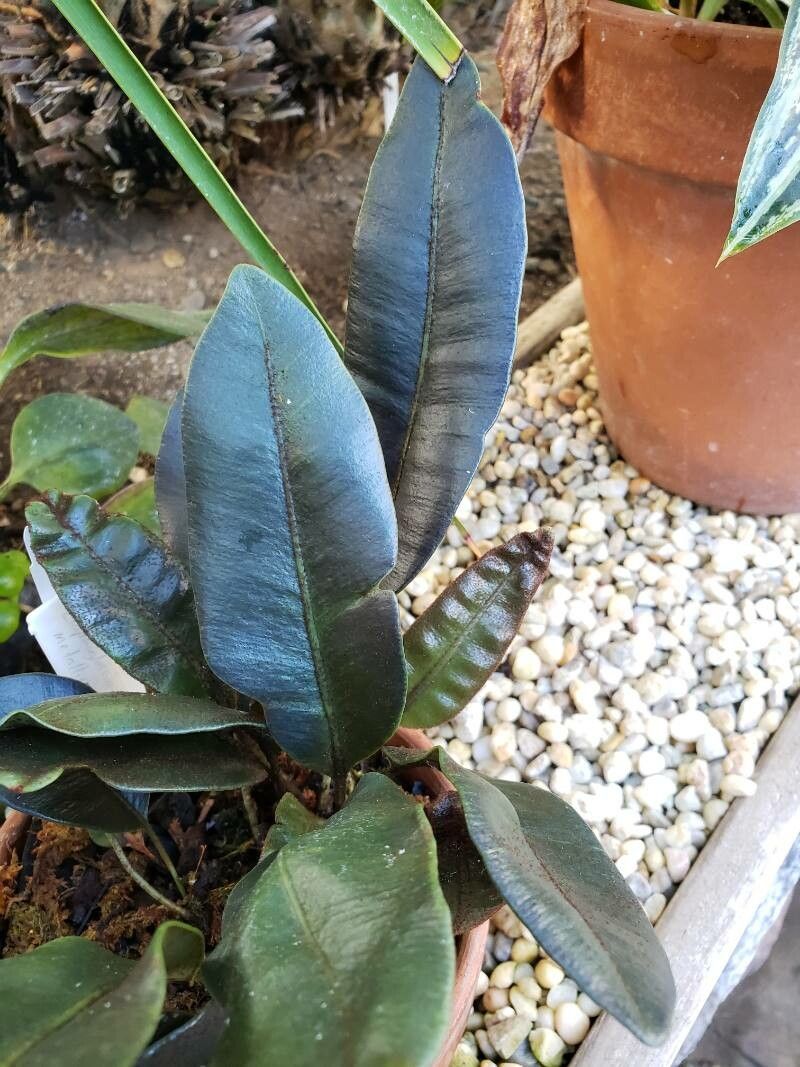
Oh, hello there! Grab a mug, let’s chat about one of my absolute favorite finds: Elaphoglossum metallicum. It’s got these stunning, almost metallic-sheened fronds that shimmer as you walk by. Honestly, seeing a whole cluster of them is just breathtaking. If you’re looking to expand your collection of these beauties, propagating them yourself is such a rewarding endeavor. Now, I won’t lie, Elaphoglossum metallicum can be a tad finicky compared to, say, a spider plant, but with a little care and attention, you’ll be well on your way to success. Don’t let that discourage you one bit – it’s all part of the fun!
The Best Time to Start
For the highest chance of success with Elaphoglossum metallicum, I always lean towards spring or early summer. This is when the plant is in its most vigorous growth phase. You’ll notice new fronds unfurling, and this energy is exactly what we want to tap into for propagation. Trying to take cuttings when the plant is dormant is like asking it to run a marathon on an empty stomach – not ideal!
Supplies You’ll Need
Before we get our hands dirty, let’s make sure we have everything ready to go:
- Sharp, clean pruning shears or a sterile knife: Essential for making clean cuts.
- A well-draining potting mix: I like to use a blend of equal parts coco coir, perlite, and orchid bark. This offers fantastic aeration and prevents soggy roots.
- Small pots or propagation trays: Clean ones are key to preventing disease.
- Rooting hormone (optional but recommended): A little help goes a long way. Look for one that contains IBA.
- Clear plastic bags or propagation domes: To create a humid environment.
- A spray bottle: For misting.
- Patience! (The most important tool!)
Propagation Methods
Elaphoglossum metallicum is best propagated through division for the most straightforward success. While leaf cuttings can sometimes work, it’s a much more drawn-out and less reliable process for this particular fern.
Method: Division
This is my go-to for Elaphoglossum metallicum. It’s like surgically separating little clumps of magic!
- Gently remove the plant from its pot. Turn the pot on its side and ease the root ball out. If it’s stuck, a gentle tap on the sides or a light tug should do it.
- Inspect the root ball. Look for natural divisions where the rhizomes (the thick, creeping stems) have branched. You want to separate pieces that have several healthy fronds and a good amount of attached roots.
- Carefully tease apart the rhizomes. You can use your fingers for this, or a clean knife if the rhizomes are quite dense. The goal is to create separate, viable plantlets. Don’t worry if a few small roots break; it’s part of the process.
- Prepare your new pots. Fill them with your prepared, well-draining potting mix.
- Pot up your divisions. Make a small hollow in the center of the mix and place the division in it, ensuring the top of the rhizome is just at soil level and the roots are spread out.
- Gently firm the soil around the division.
- Water thoroughly. You want the soil to be evenly moist but not waterlogged.
- Cover the pots with a clear plastic bag or a propagation dome to maintain high humidity. You can secure the bag with a rubber band.
- Place in bright, indirect light. Avoid direct sun, which can scorch the new, tender growth.
The “Secret Sauce” (Pro Tips)
Alright, here are a few little tricks I’ve picked up over the years that can really boost your propagation game:
- Don’t be afraid of a little soil on the rhizome. When you’re dividing, it’s okay to leave some of the old soil clinging to the roots. This can actually help the division settle in faster. Just remove any obviously dead or rotting bits.
- Think “humidity high, light gentle.” That snug, humid environment you create with the plastic bag is crucial for new root development. But remember, these little guys are still babies and can burn easily. Bright, diffused light is their happy place.
- A gentle misting is your friend. While you want high humidity, you don’t want stagnant water sitting on the fronds for too long, as this can encourage fungal issues. A light mist every now and then, especially if the plant looks a little dry, can be beneficial.
Aftercare & Troubleshooting
Once your divisions have started to show new frond growth (a good sign of rooting!), you can slowly acclimate them to lower humidity. Gradually open the plastic bag a little more each day over a week or two. Continue to keep them in bright, indirect light and maintain consistent moisture in the soil – never let them dry out completely.
The most common issue you’ll encounter is rot. This usually happens if the soil is too wet for too long, or if the humidity is too high without enough air circulation. If you see fronds turning yellow and mushy, or the rhizome becoming soft and black, it’s a sign of rot. Unfortunately, it’s often hard to recover from at this stage, so prevention is key. Make sure your soil drains well and that you’re not overwatering.
A Encouraging Closing
Propagating these gorgeous ferns is a journey, and like any good journey, it has its teachable moments. Be patient with your new little Elaphoglossum metallicum babies. Sometimes they take their time, and that’s perfectly okay. Enjoy the process, celebrate the small victories, and before you know it, you’ll have a whole family of these shimmering beauties to admire. Happy propagating!
Resource:
https://identify.plantnet.org/k-world-flora/species/Elaphoglossum%20metallicum%20Mickel/data